Antarctica: The world's last frontier
These are snippets of interesting facts about The Southern Continent that I have gleaned from my pre-departure reading
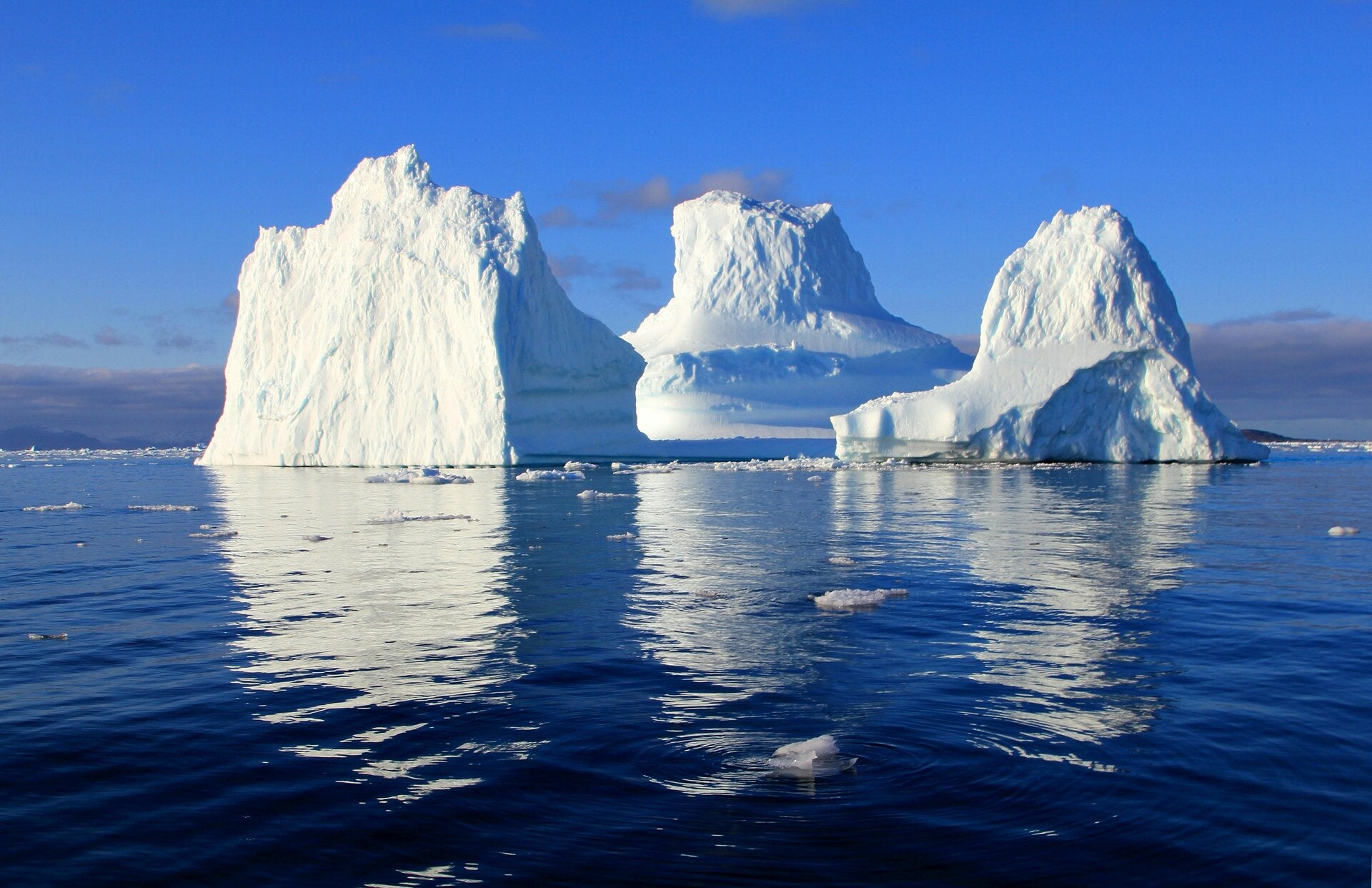
Ice sheets
The Antarctic Ice Sheet covers an area of almost 14 million km² and contains 30 million km³ of ice. Around 60% of the world’s total fresh water (90% of the world’s surface fresh water) is held in the ice sheet, equivalent to a 70m rise in global sea level. In East Antarctica the ice sheet rests on a major land mass, but in West Antarctica the bed is, in places, more than 2,500m below sea level.
Even in summer Antarctic temperatures are below 0°C and so frost and snow crystals that gather on the surface of the ice sheet do not melt, but accumulate year-by-year. As these crystals are buried the weight of the crystals above presses them together. Eventually, they are transformed into dense and impermeable glacial ice.
British Antarctic Survey (BAS)
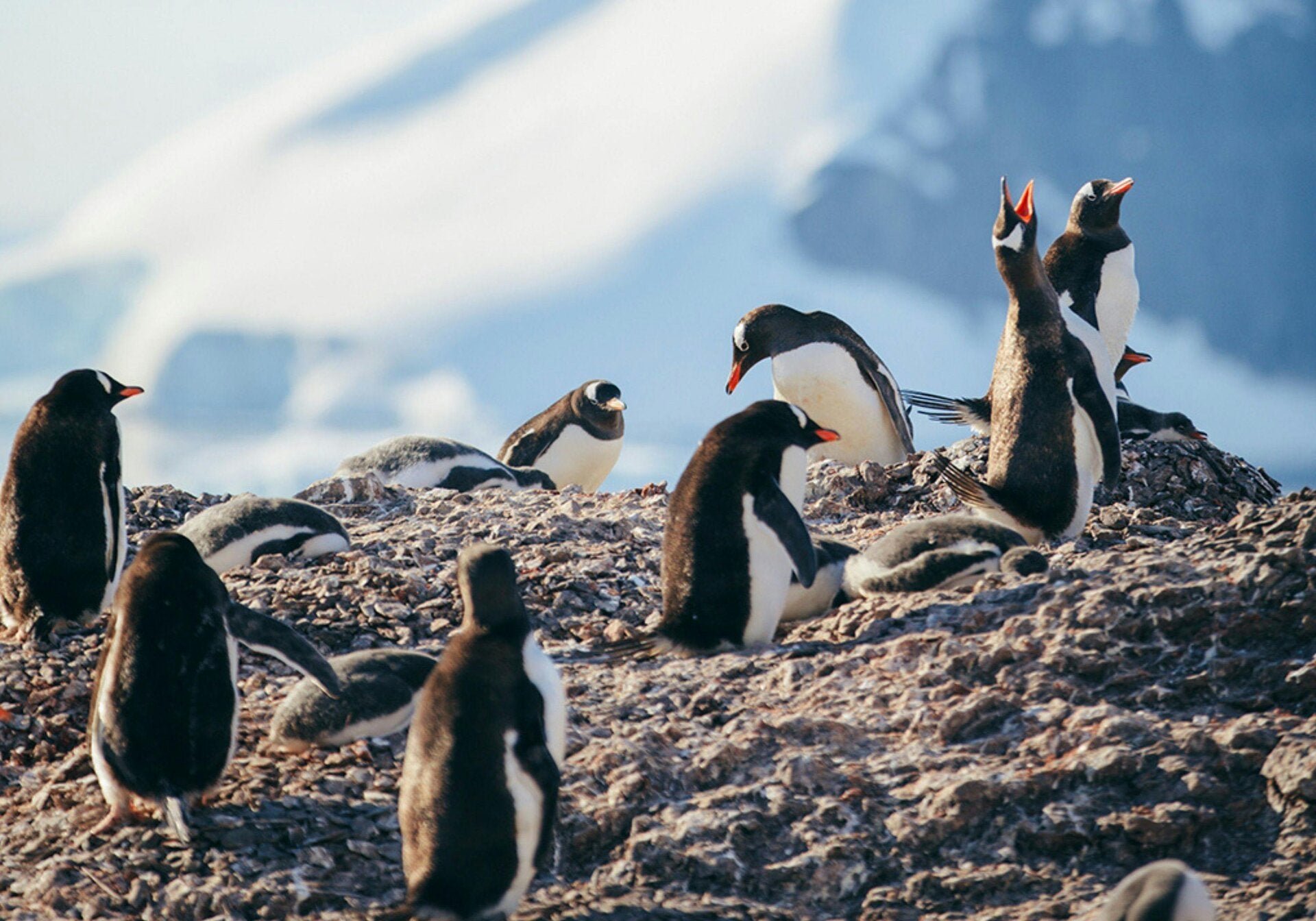
Guardians of the deep south
Despite its harsh conditions, Antarctica thrives with incredible wildlife perfectly adapted to its extreme environment. From vast colonies of penguins – like Adélie, Emperor, and Chinstrap – to various species of seals, whales, and seabirds, this continent is a sanctuary for a unique ecosystem.
AI generated text
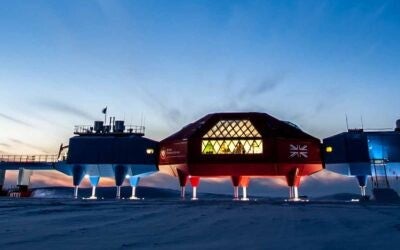
A frozen laboratory
Antarctica is the only continent on Earth without a native human population or permanent residents. Instead, it hosts numerous international research stations where scientists from around the globe study everything from climate change and astronomy to geology and wildlife. It's a continent dedicated to scientific discovery, furthering our understanding of our planet and beyond.
The BAS Halley Research Station.
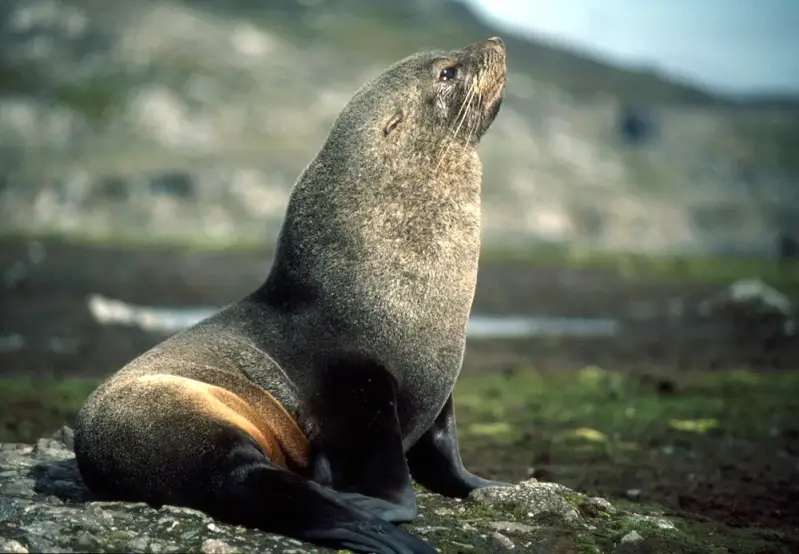
Antarctic Fur Seal
Fur seals are the smallest seals. Closely related to sea lions, they able to walk on all fours. The common name of fur seal includes several species: Antarctic fur seals, sub-Antarctic fur seals and New Zealand fur seals. Each have teeth, whiskers and thick fur.
Create Your Own Website With Webador