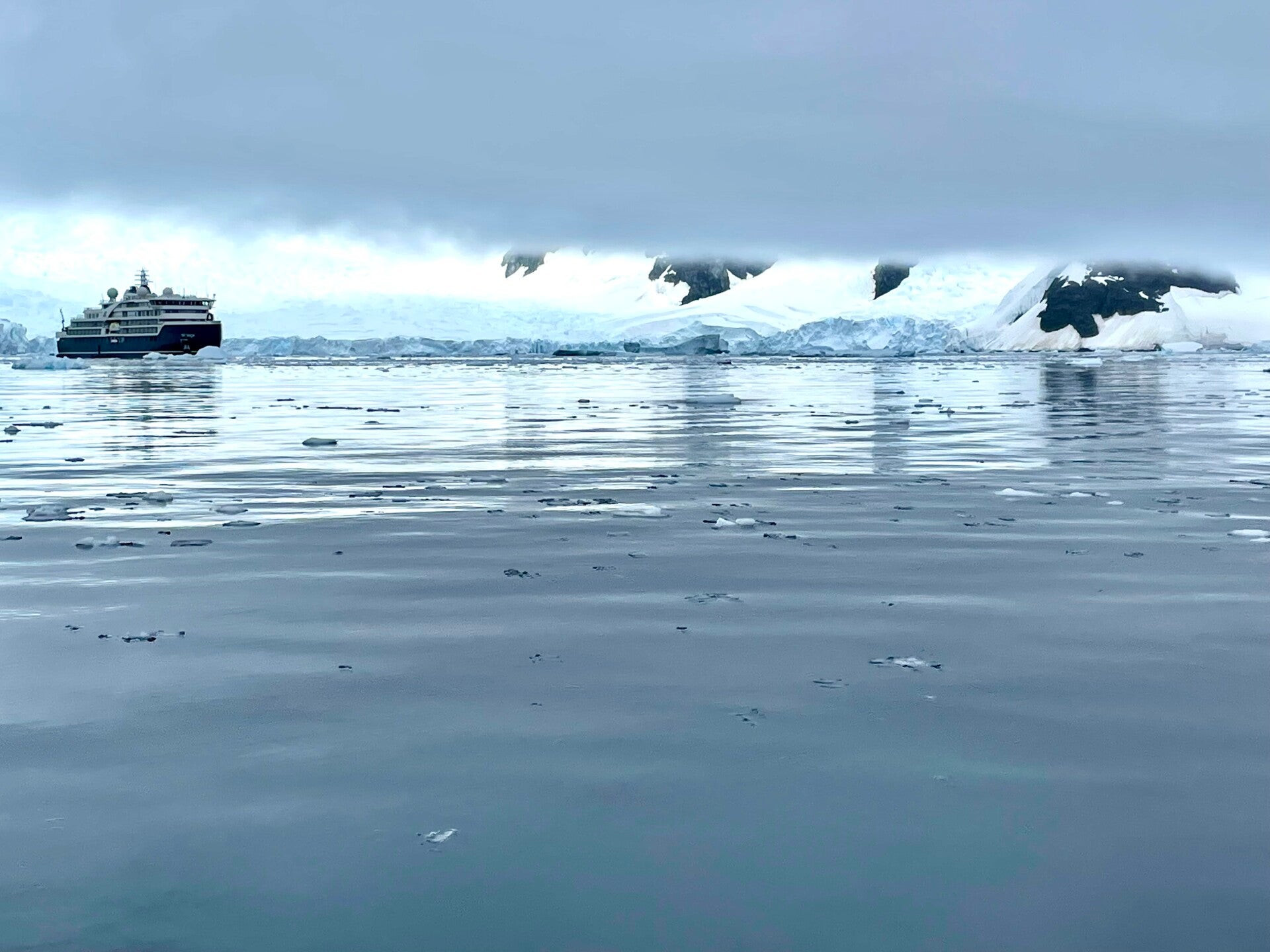
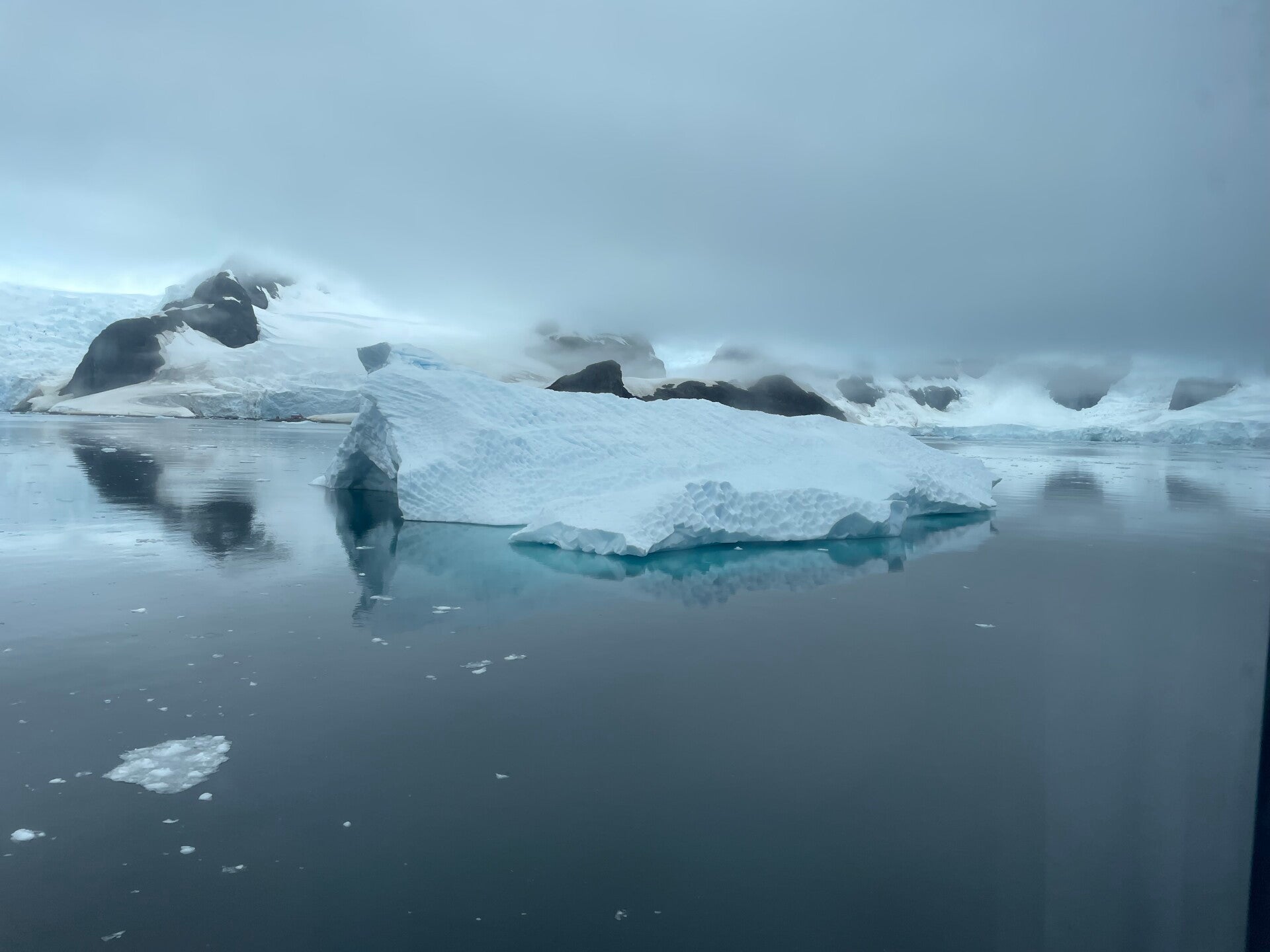
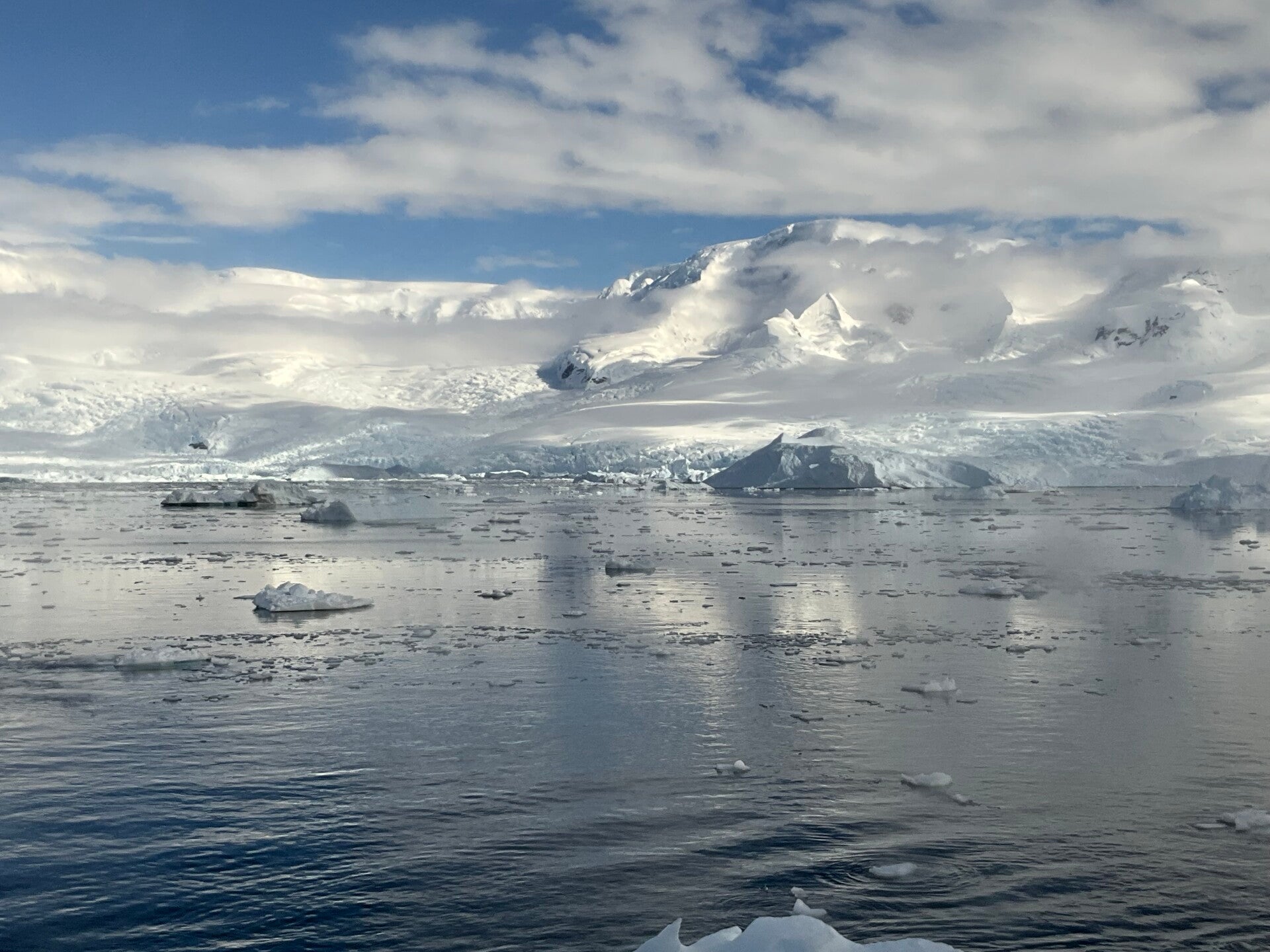
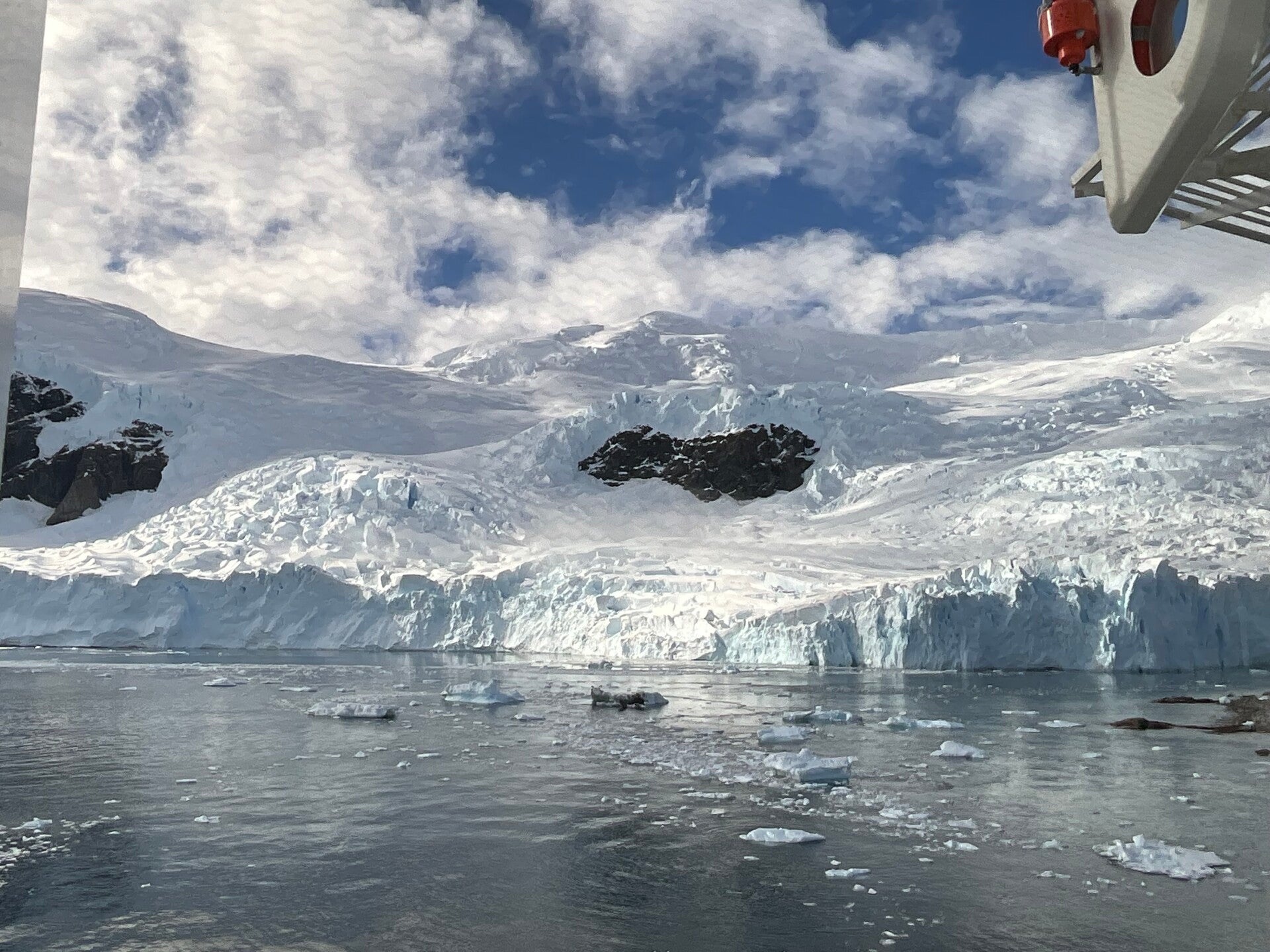
This gallery of pics is updated daily and is in generally chronological order, starting from my departure from UK on 20 February. You will need to refresh the page in your browser regularly to get the latest posts and scroll to the bottom of the page that is getting longer as my trip progresses.


Most pictures will expand on clicking 

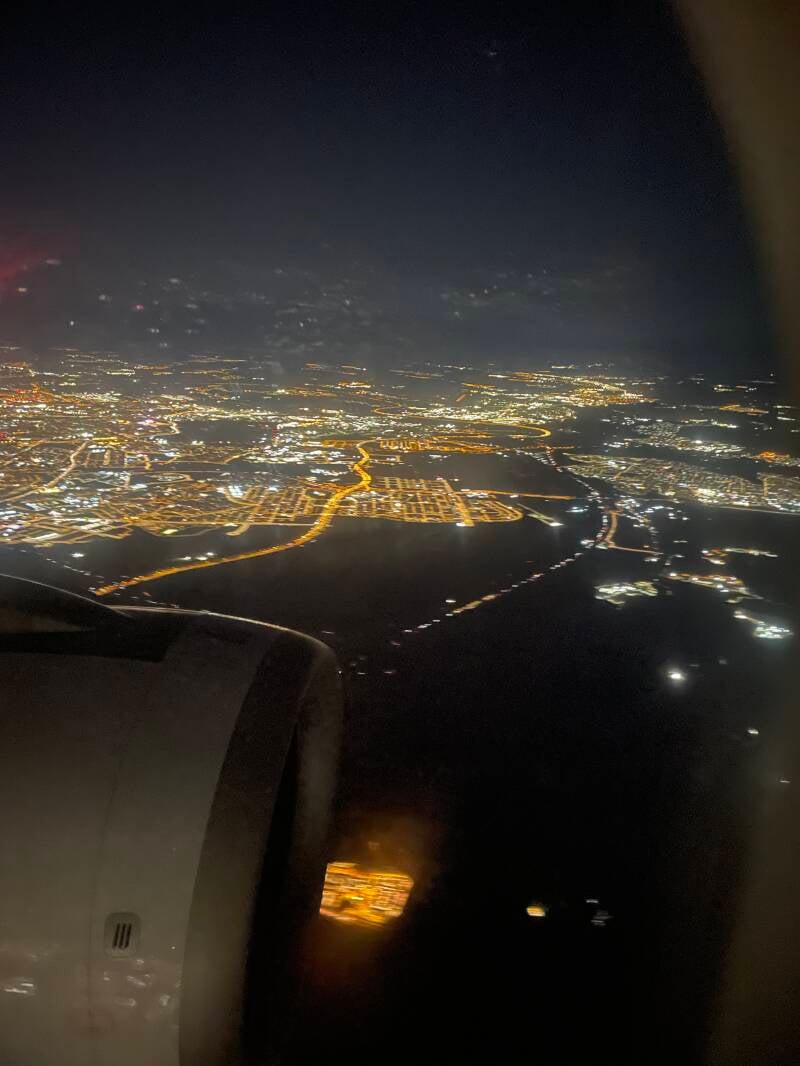
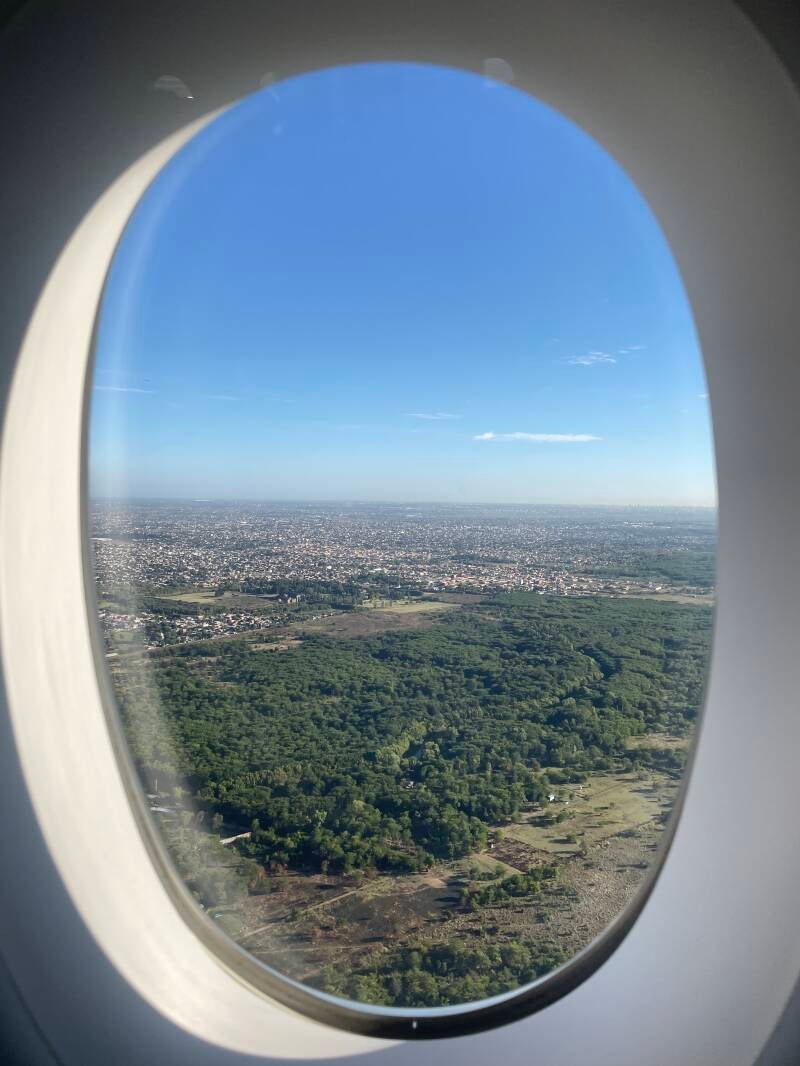
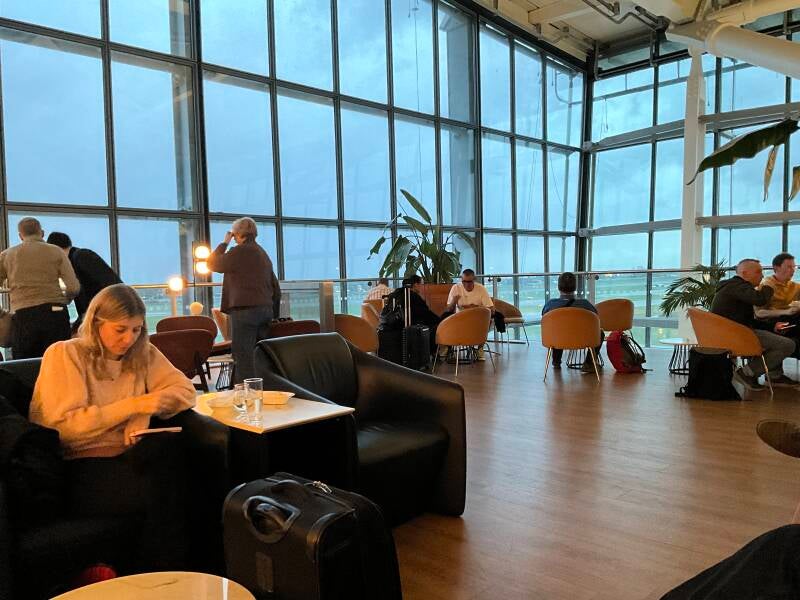
Heathrow T5.  At last, after months of anticipation, the journey has begun! Then Madrid and now Buenos Aires! It's 08:44, sunny and 21C

Buenos Aires: First Impressions

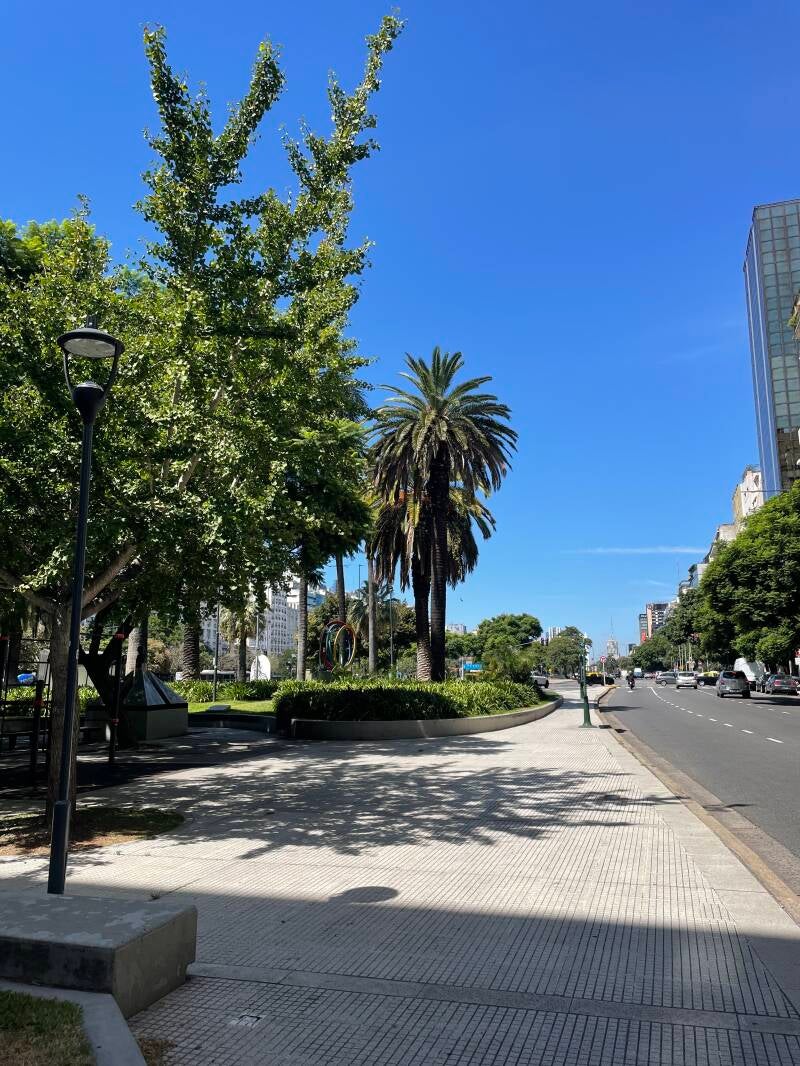
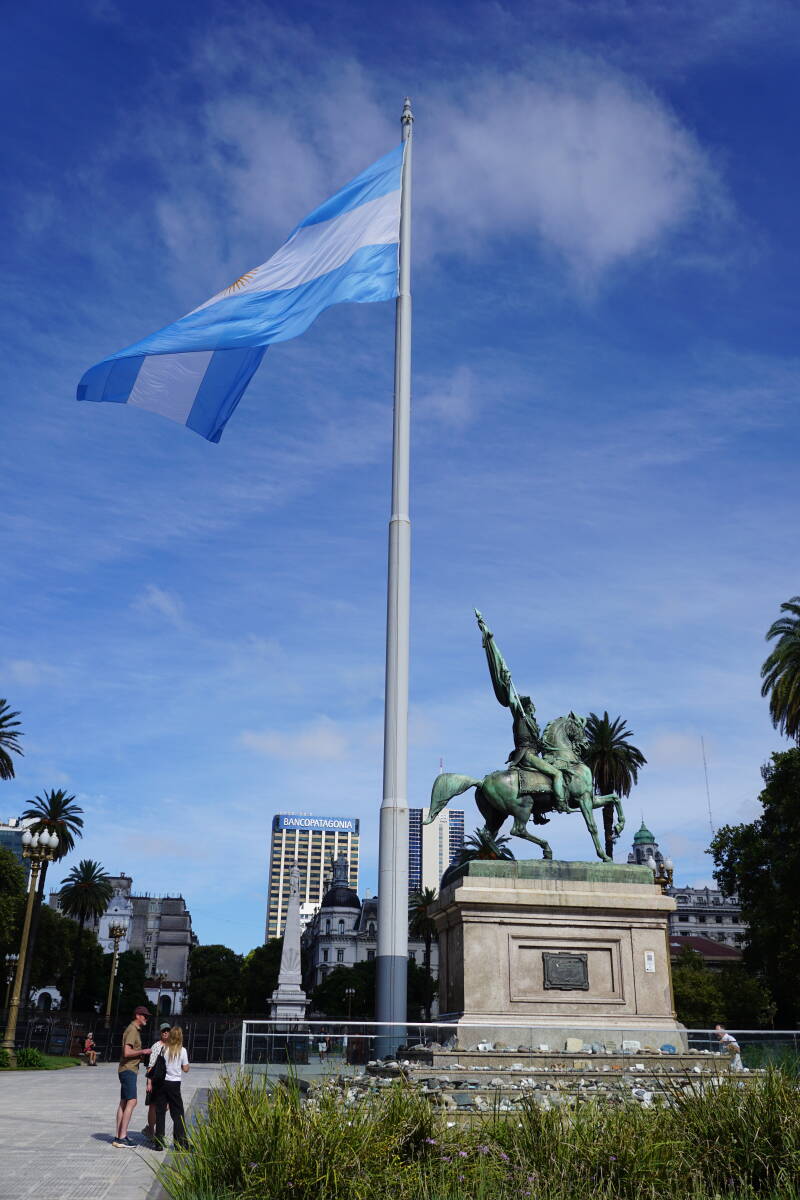
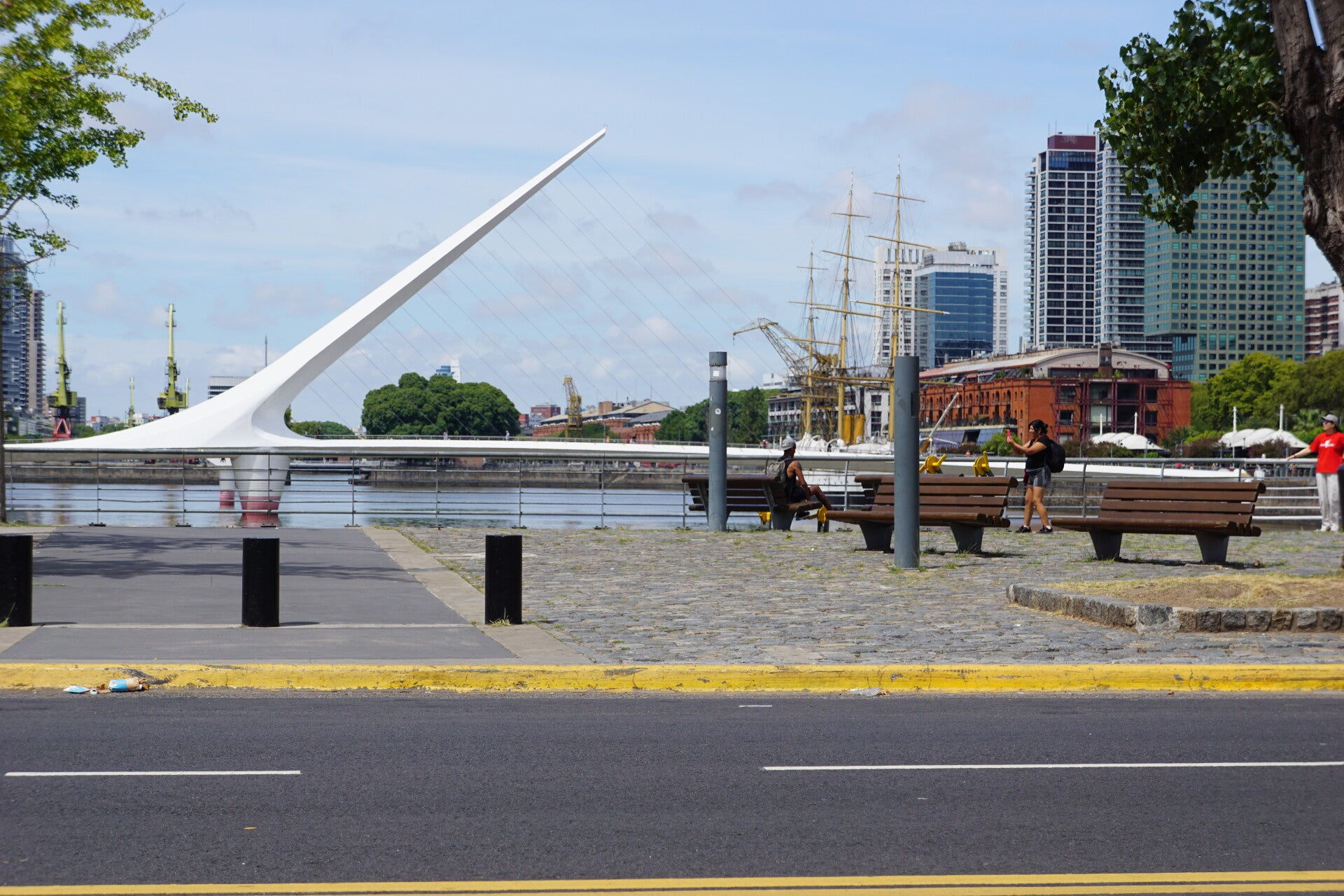
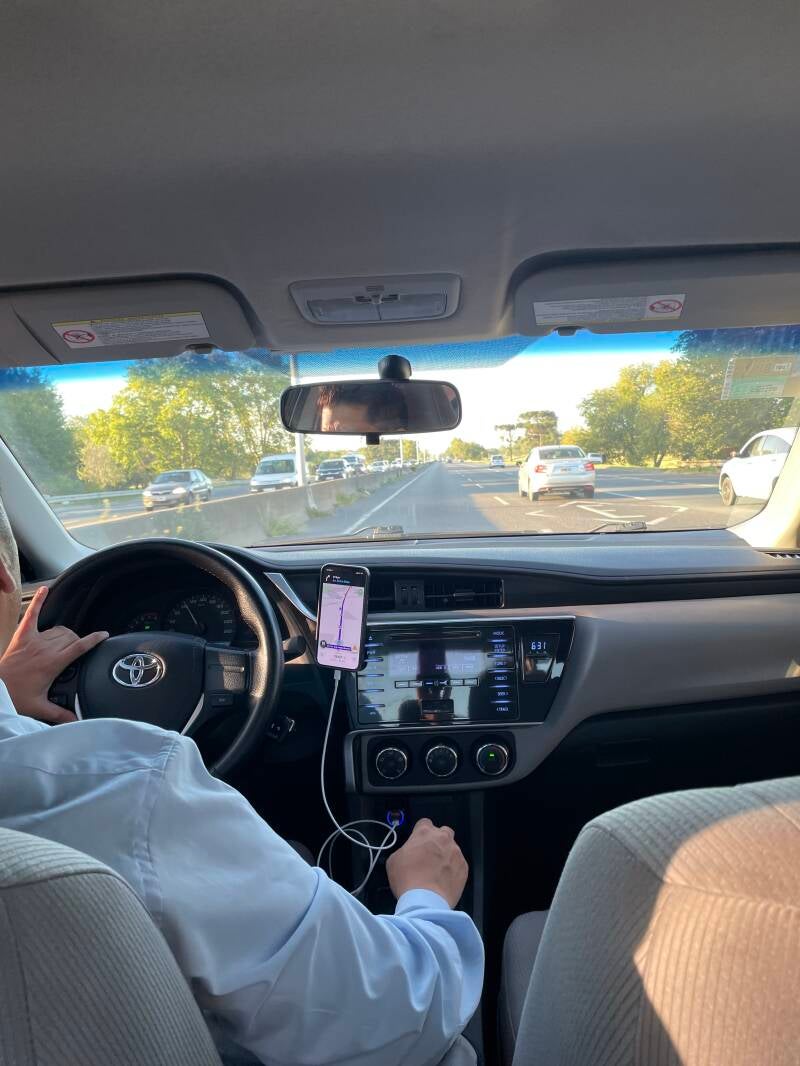
21 February.   I arrived after a 45 min drive from the main airport with Luciano, a driver who was waiting in the Arrivals Hall brandishing a tablet with my name displayed.  While waiting for my room in the Sofitel Hotel (a French company!) was ready for occupation, I took an initial wander round the smart area of Buenos Aires where I am spending two nights.

Read more »

22 February. The City Tour

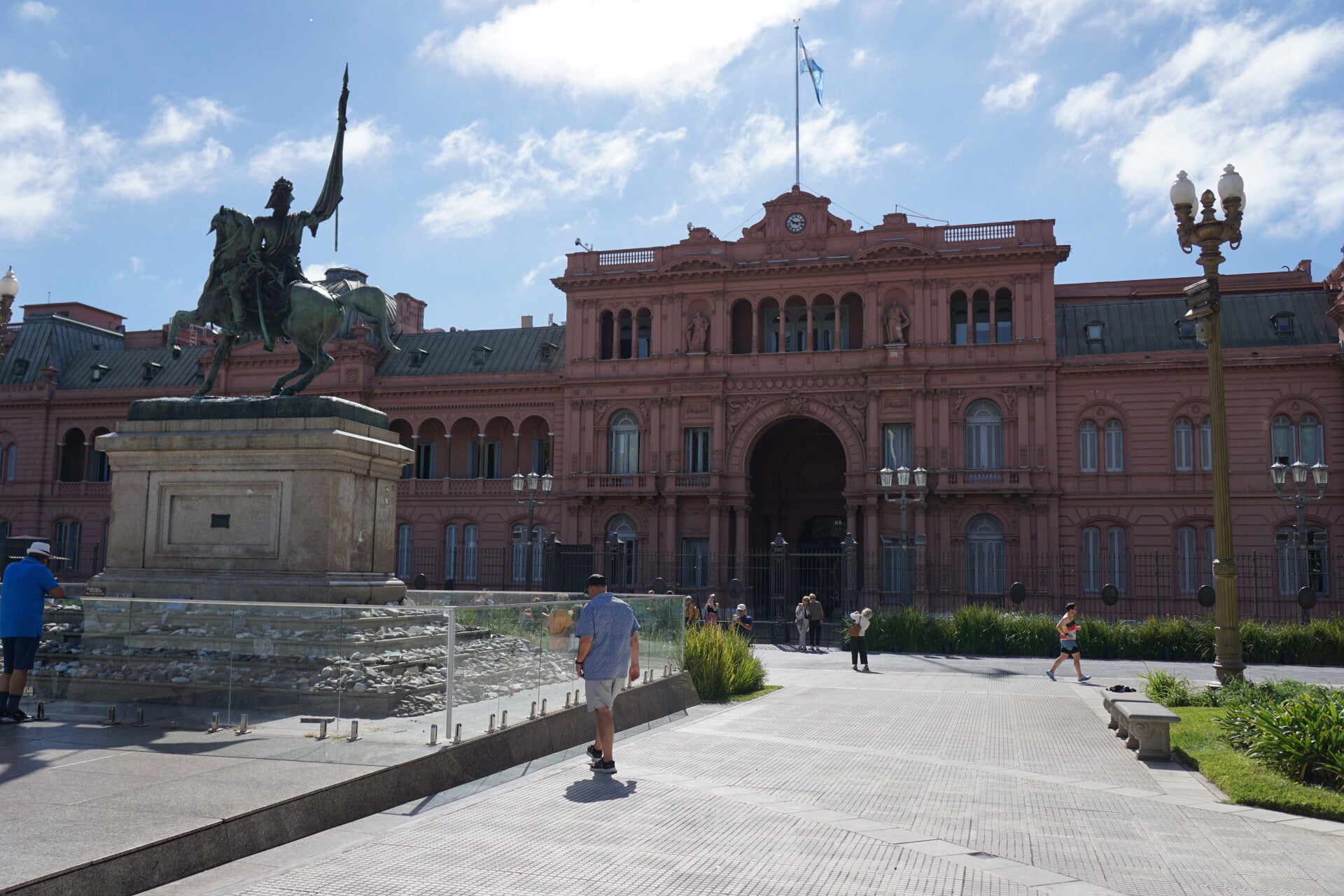
The pre-programmed three hour city tour arranged by Audley Travel was listed for a party of up to 12 but I was met and guided as the sole member of the party by a sparky young lady called Augustina who spoke excellent English and showed me a great range of places of interest. We were driven by Maru, who didn’t have any English but drove well!

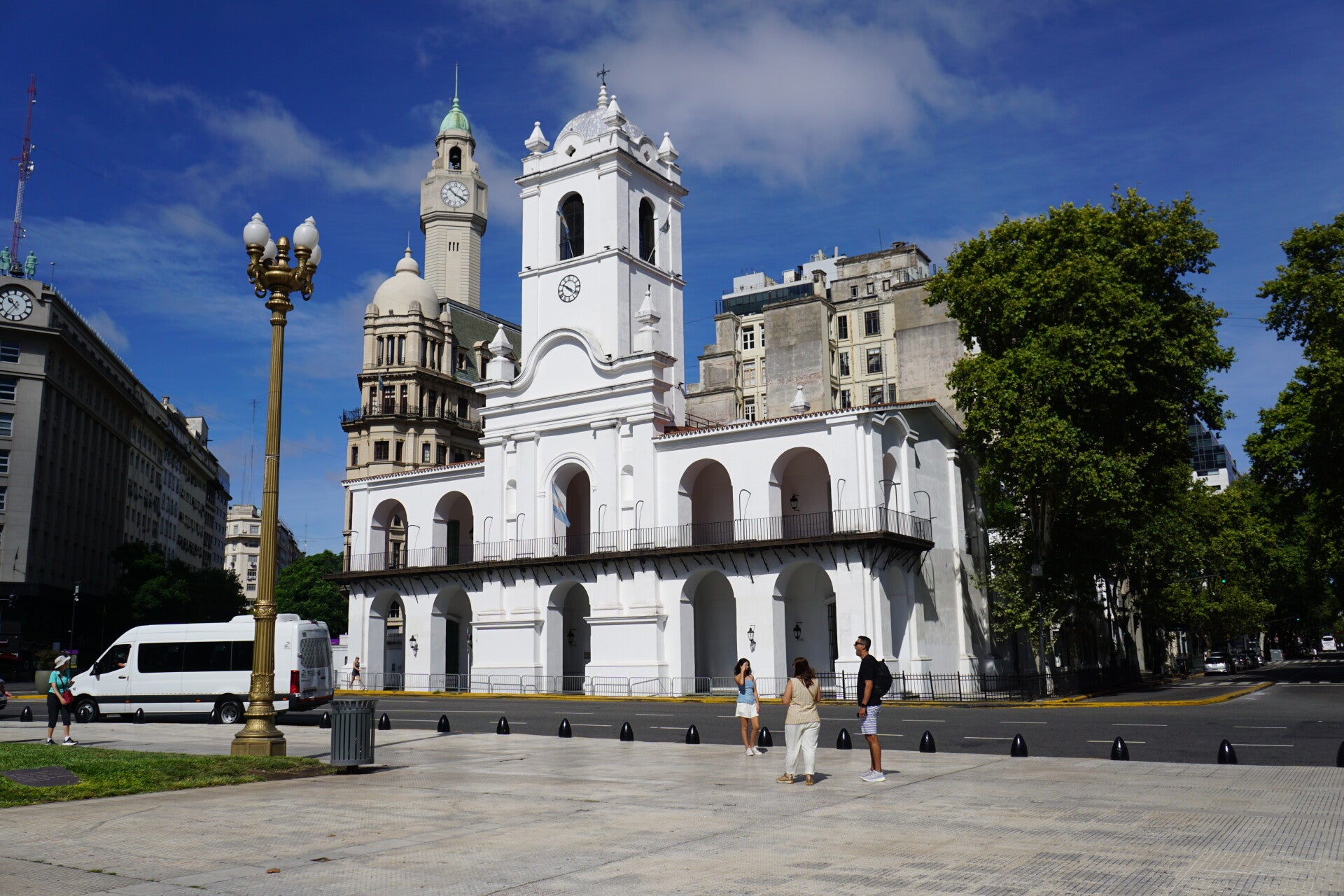
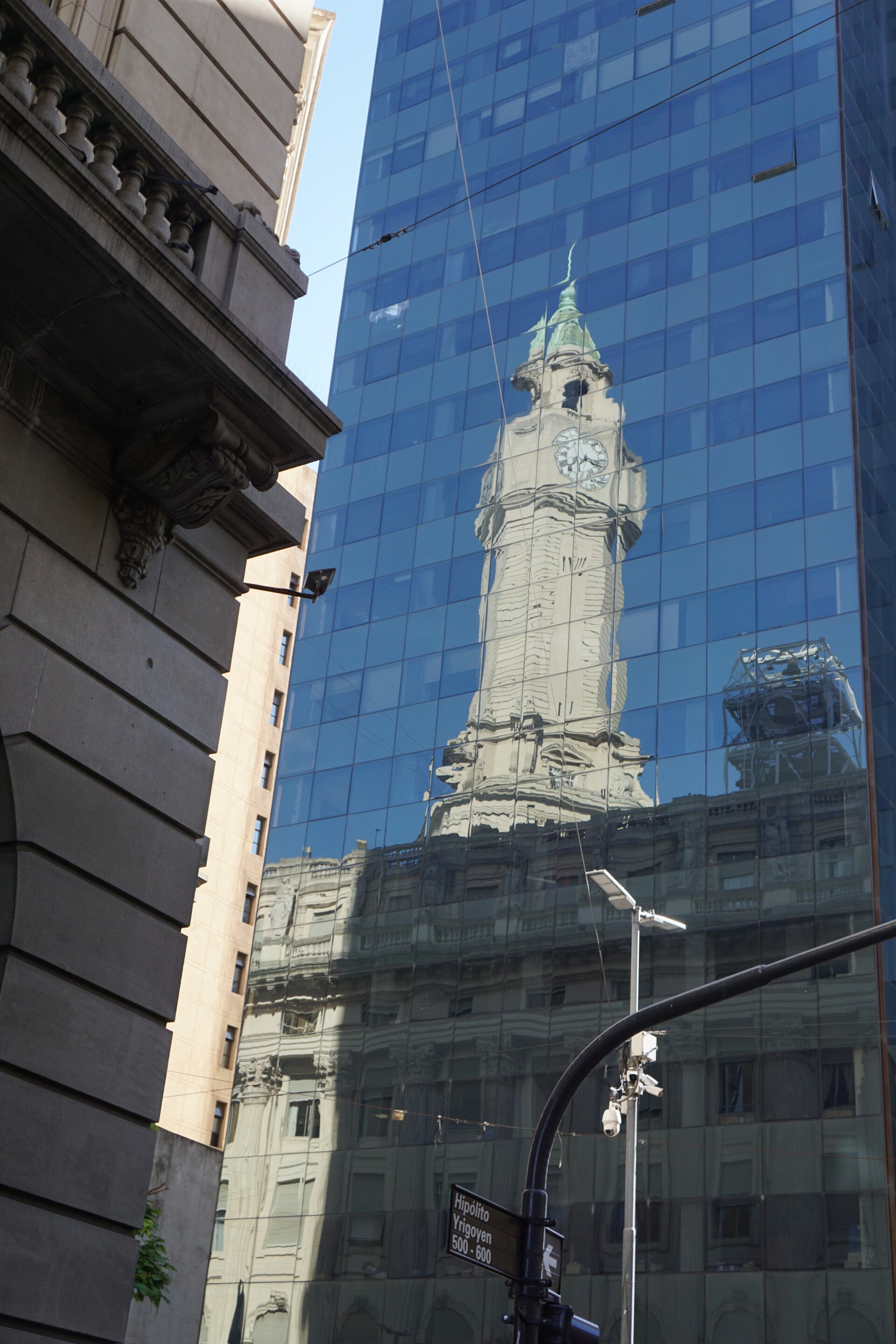
Above. The Presidential Offices. Below. One of the few remaining buildings from the Spanish colonial era. Most were gradually demolished to make way for the Parisian Hausmann style elegance that earned its reputation as "the Paris of South America", along with its wide, tree-lined boulevards. 

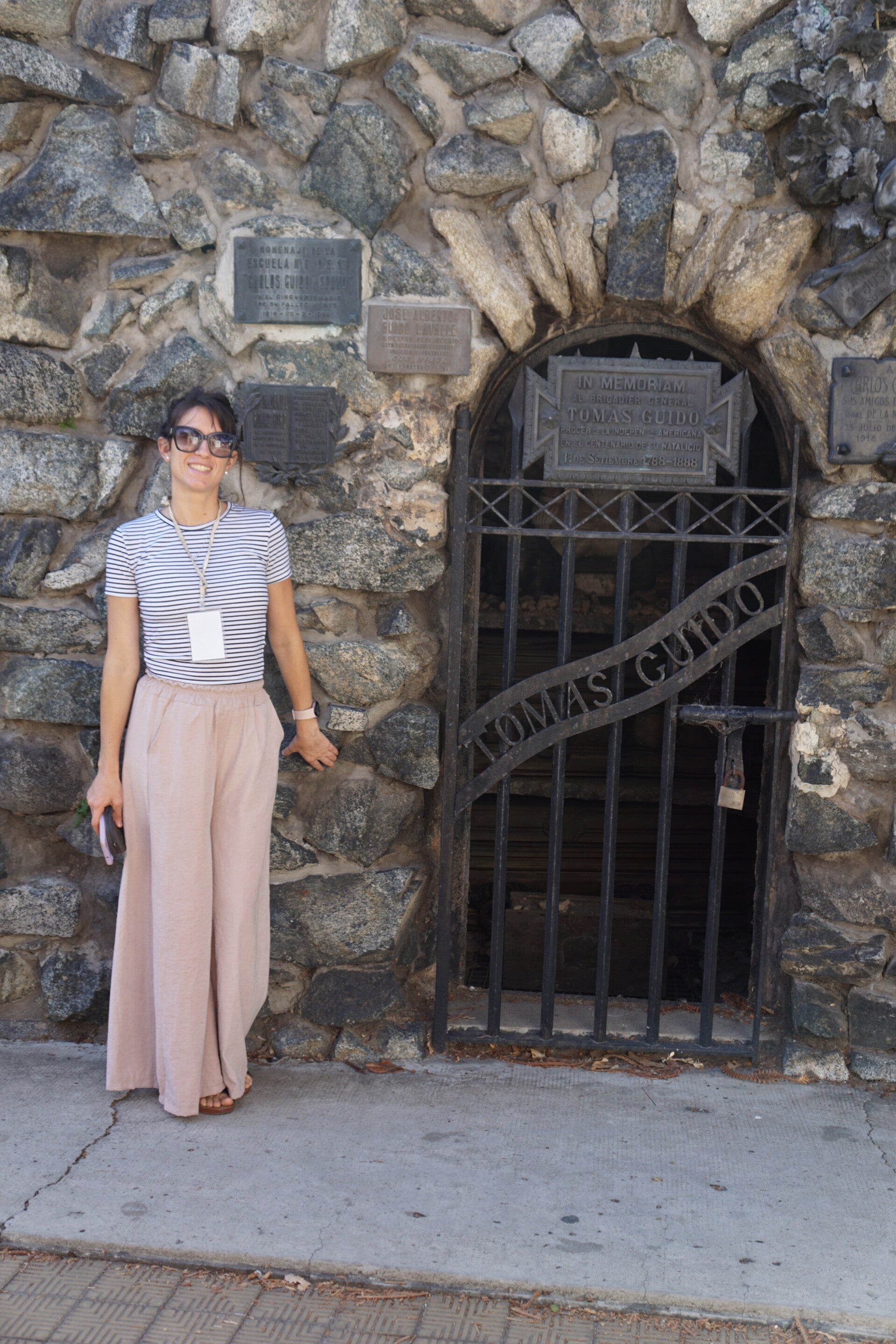
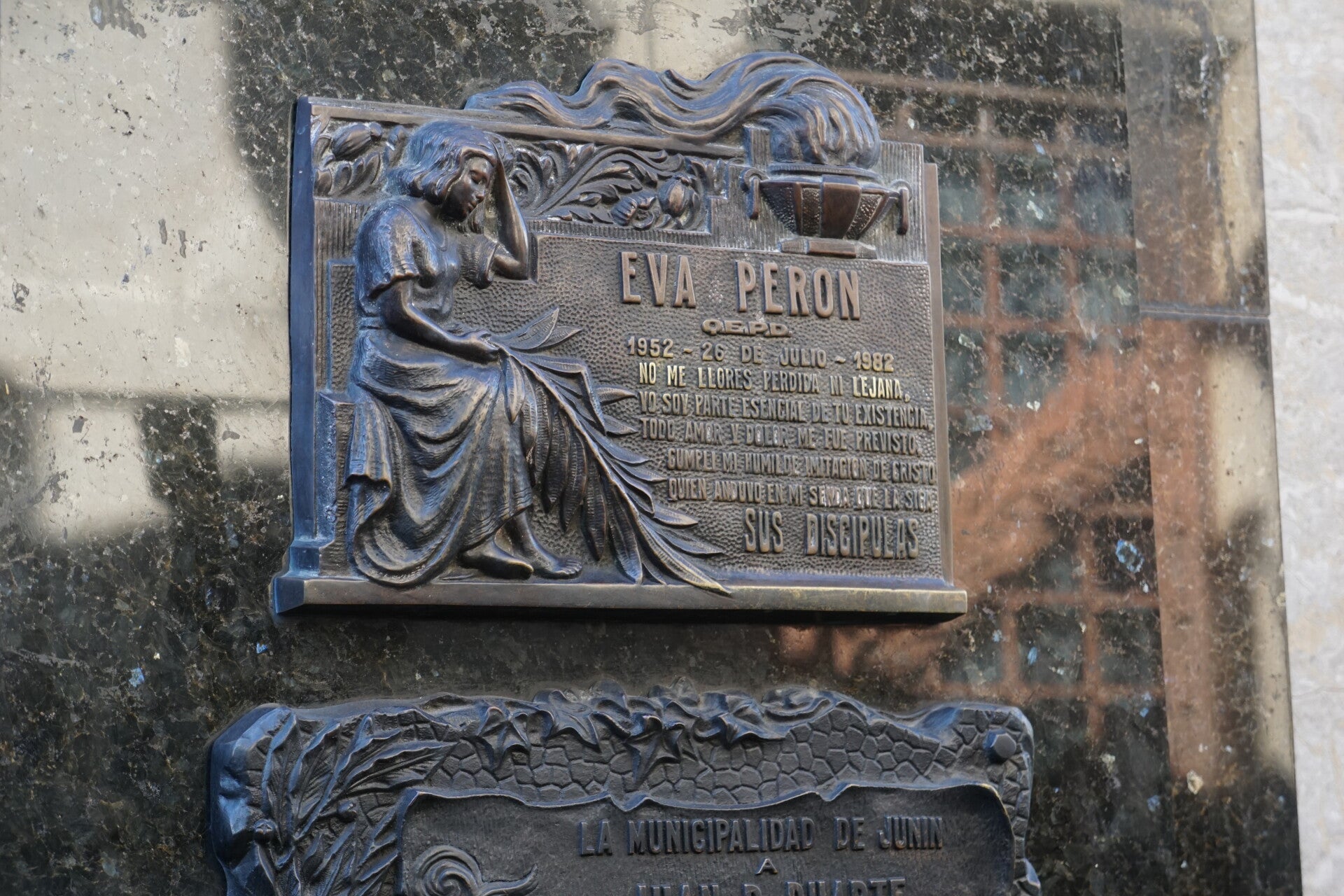
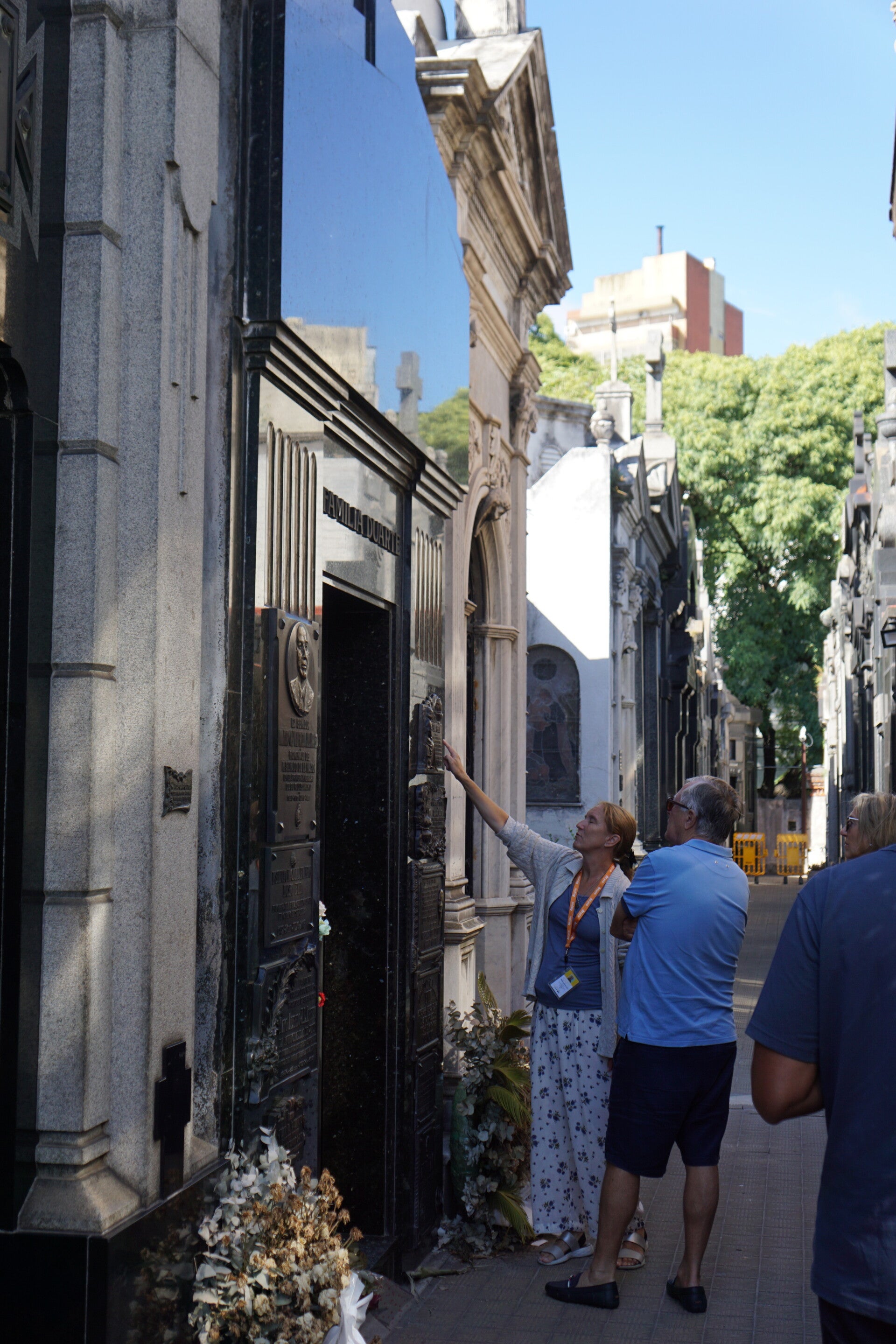
The Recoleta Cemetery is where the great and the good (and probably some not-so-good) of 19th Century BA are interred in huge mausoleums that are packed together like sardines. There is no spare spaces but when a family ceases to pay the annual ground rent, that mausoleum is demolished and the plot put up for sale.

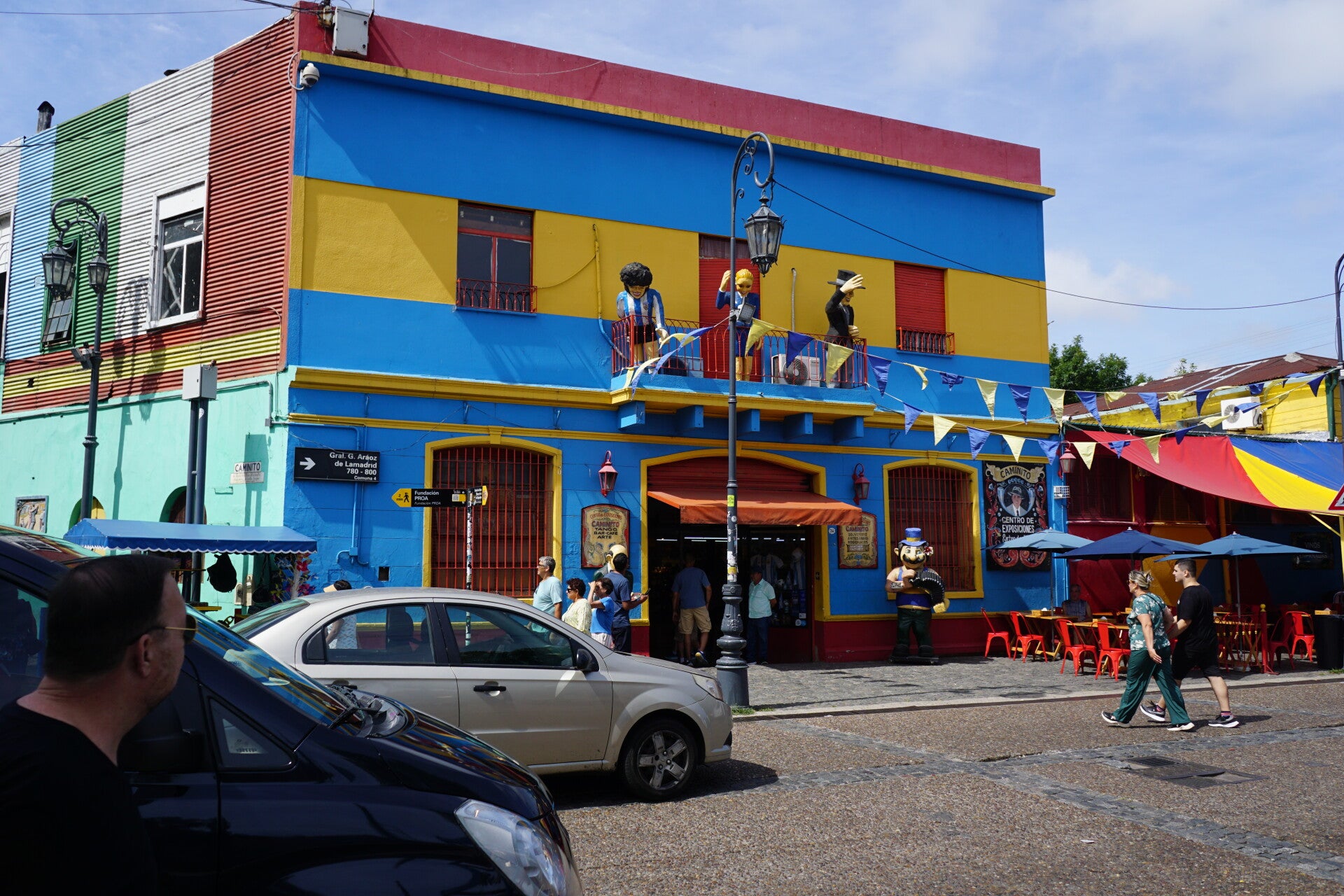
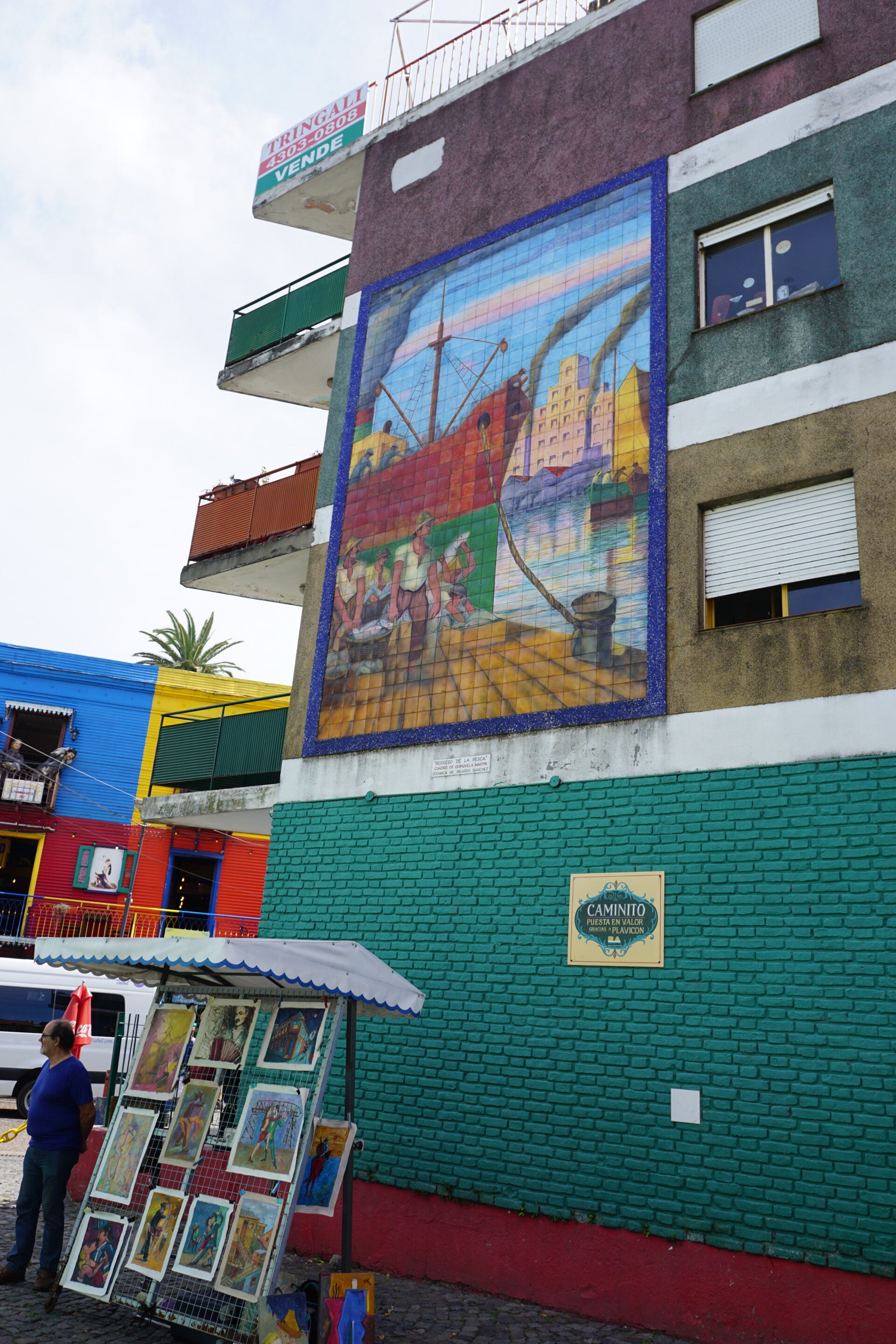
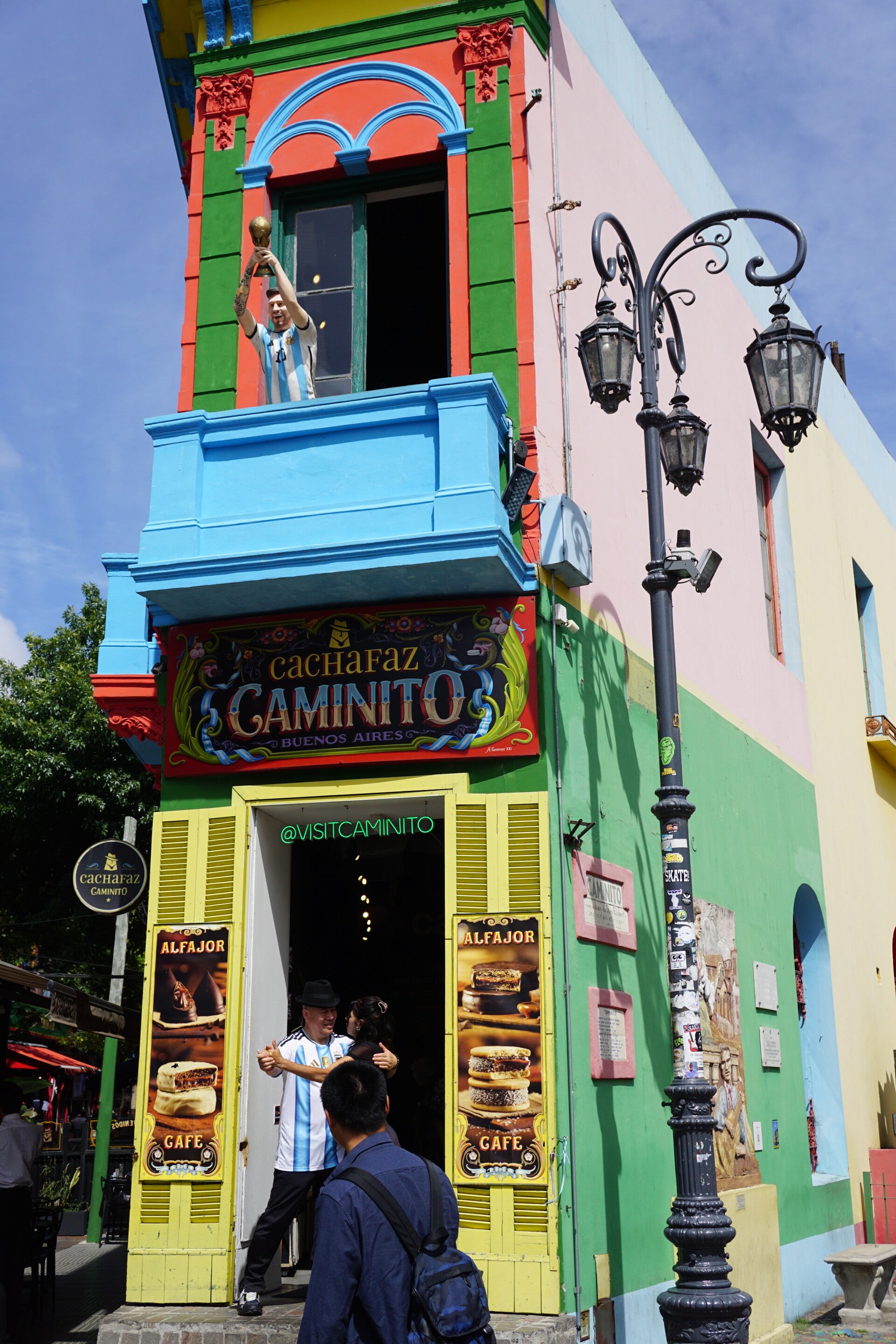
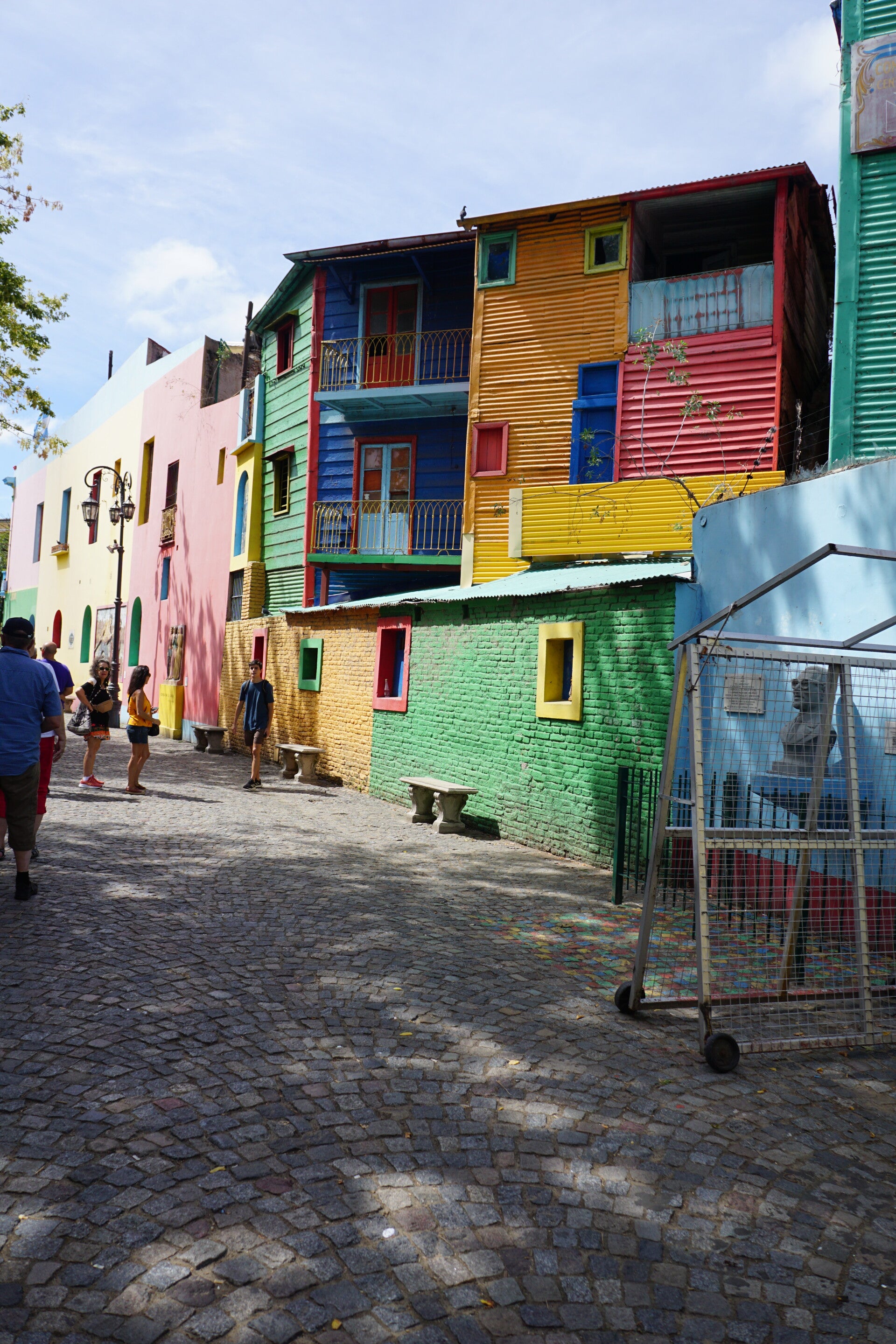
The multicoloured, multi-material houses were built using timber and corrugated tin from the former port and shipyards that were close by but are no longer operational.  The different coloured paints used to finish them took the inventive, waste not approach even further! 

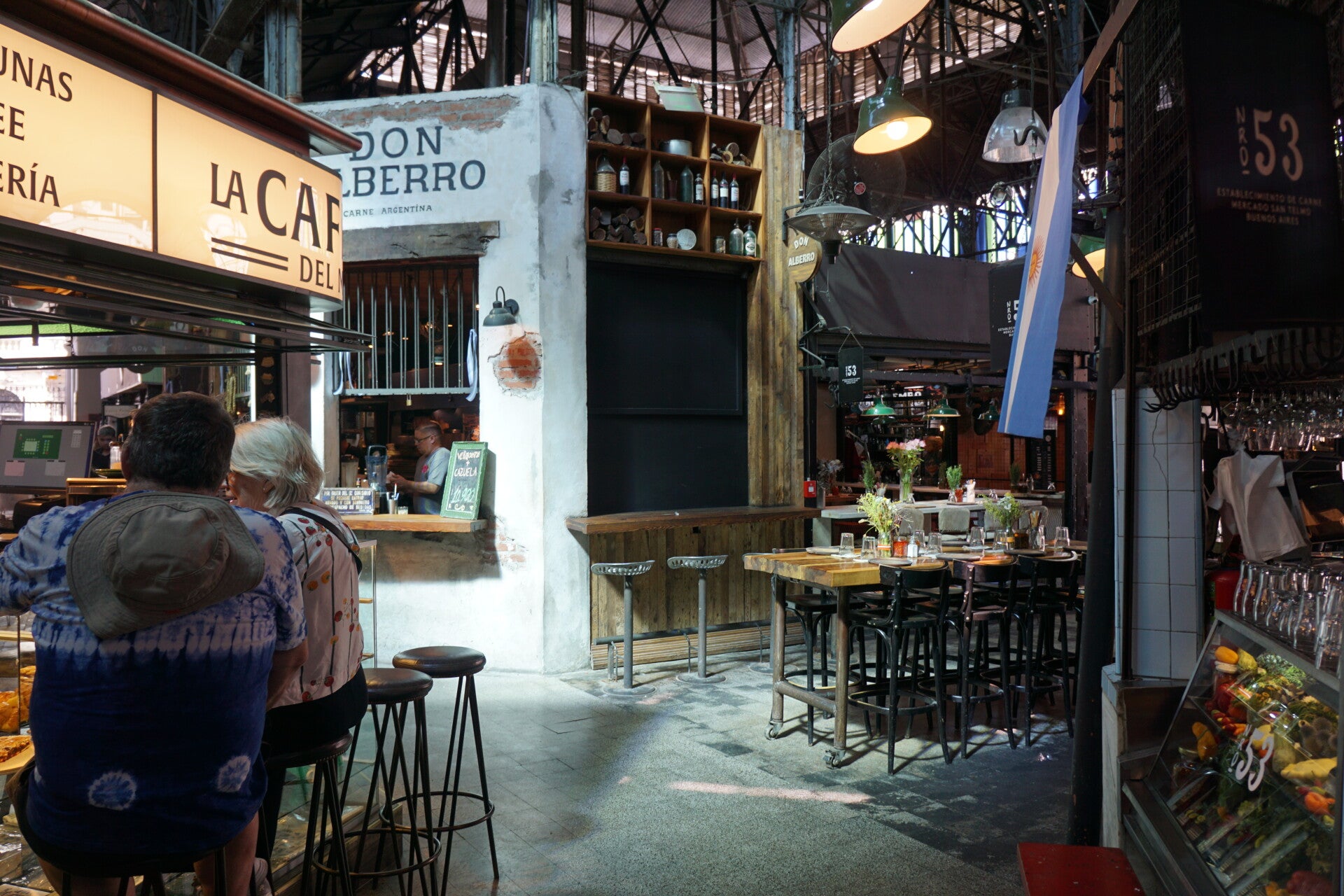
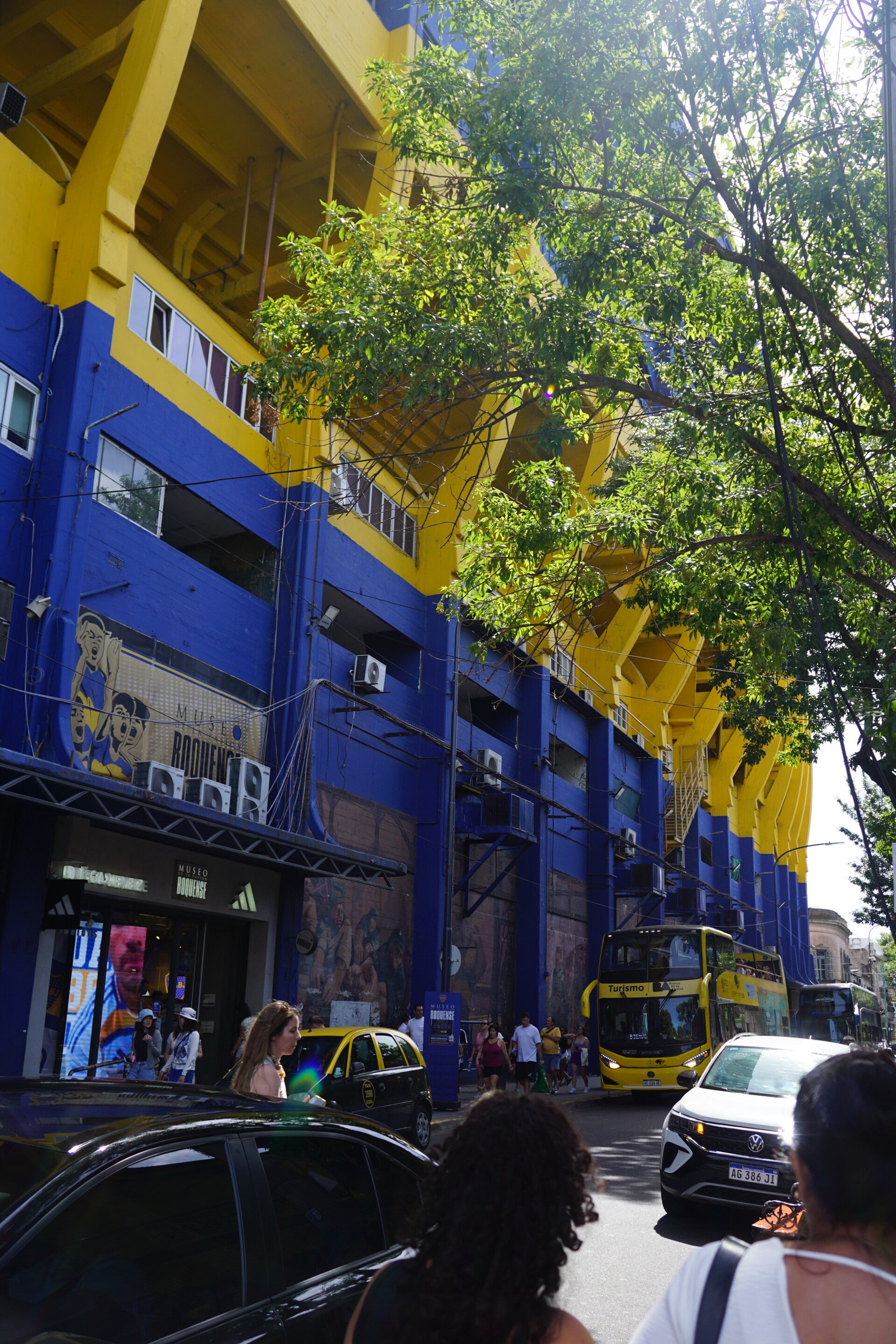
The tour includes national and civic buildings, the Recoleta Cemetry where Eva Peron is interred and La Boca district. This is a fascinating, socially earthy area with a fabulous indoor market, a leading football stadium and resident team where everything is in the blue and yellow colours of their strip. Maradonna is honoured everywhere, charicatured and lionised! The tango also features strongly, although not until the evening.

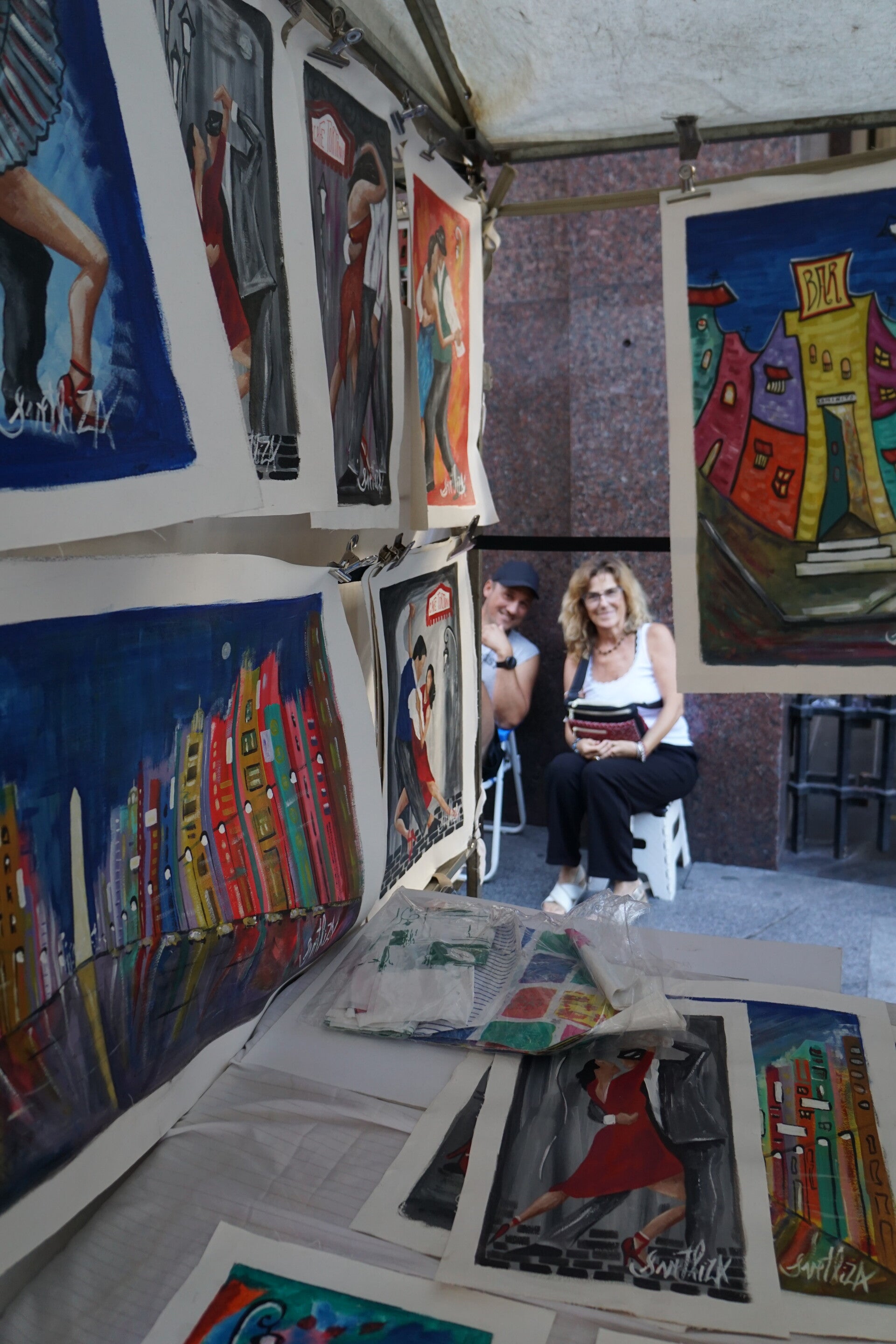
After the city tour this morning, I had snack back at my hotel and put my feet up for an hour before setting off on foot this time to find a Sunday craft market that Augustina had told me about.  It was a 2½ mile walk when the pavements were getting pretty warm! If found it along a narrow, thankfully shady back street but after examining a lot of tat in amongst some attractive paintings of tango dancers, then took a cab back to base!

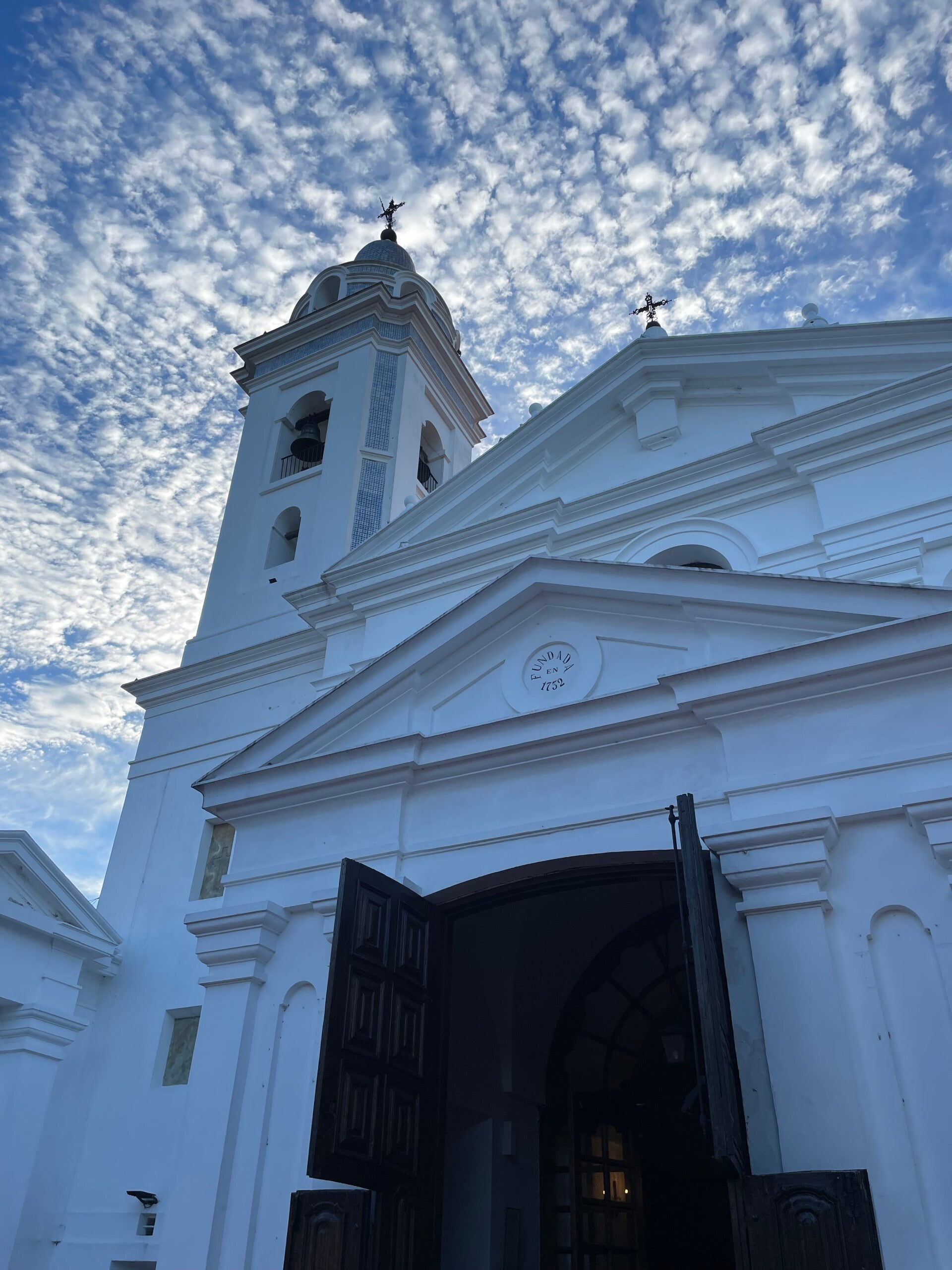
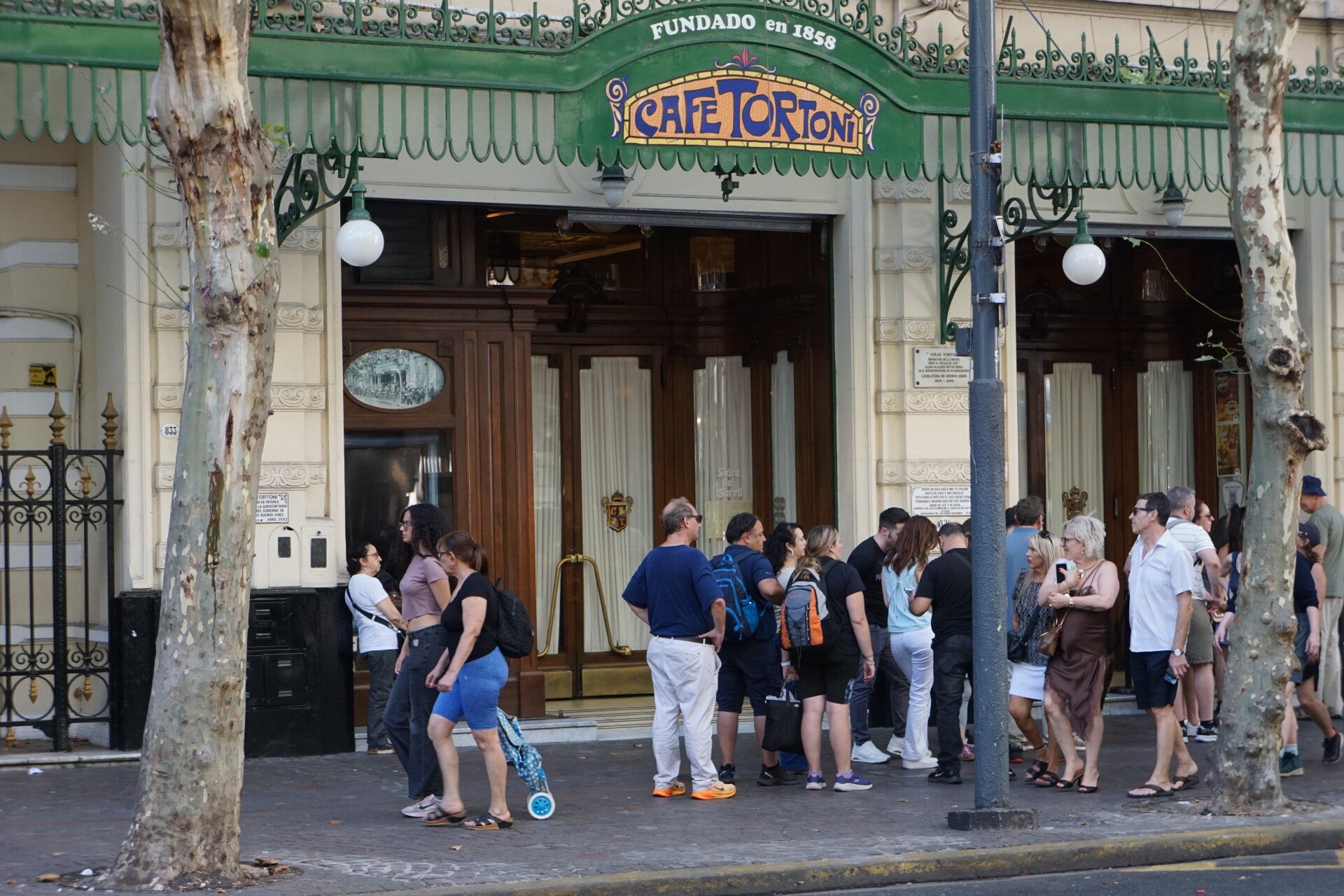
Café Tortoni is reputed to be the oldest coffee house in BA (1858) but, of course, as a result had a long queue of fellow tourists waiting for a table.  I took my picture and then made for hotel, this time in a cab!

Ushuaia and to Sea!

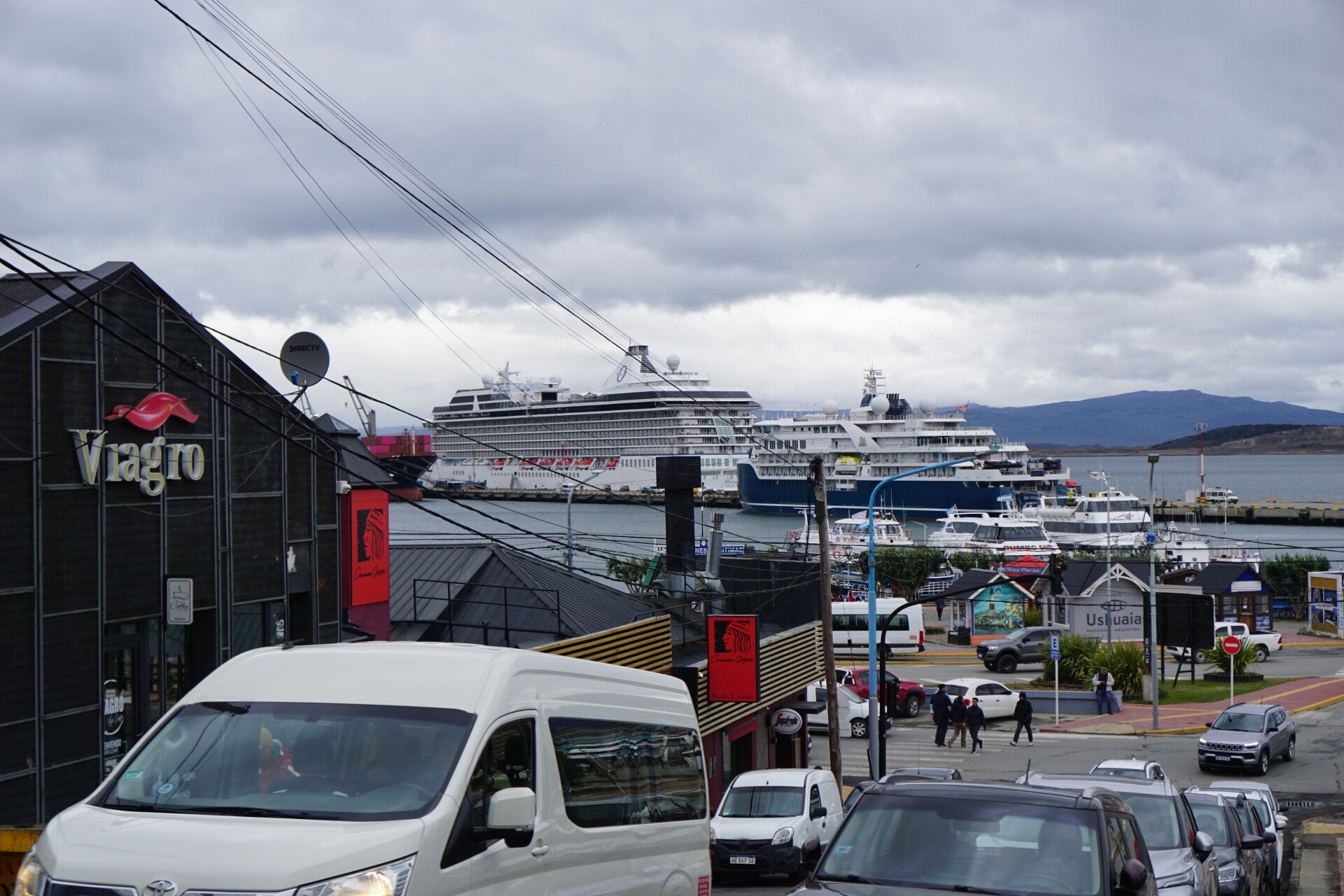
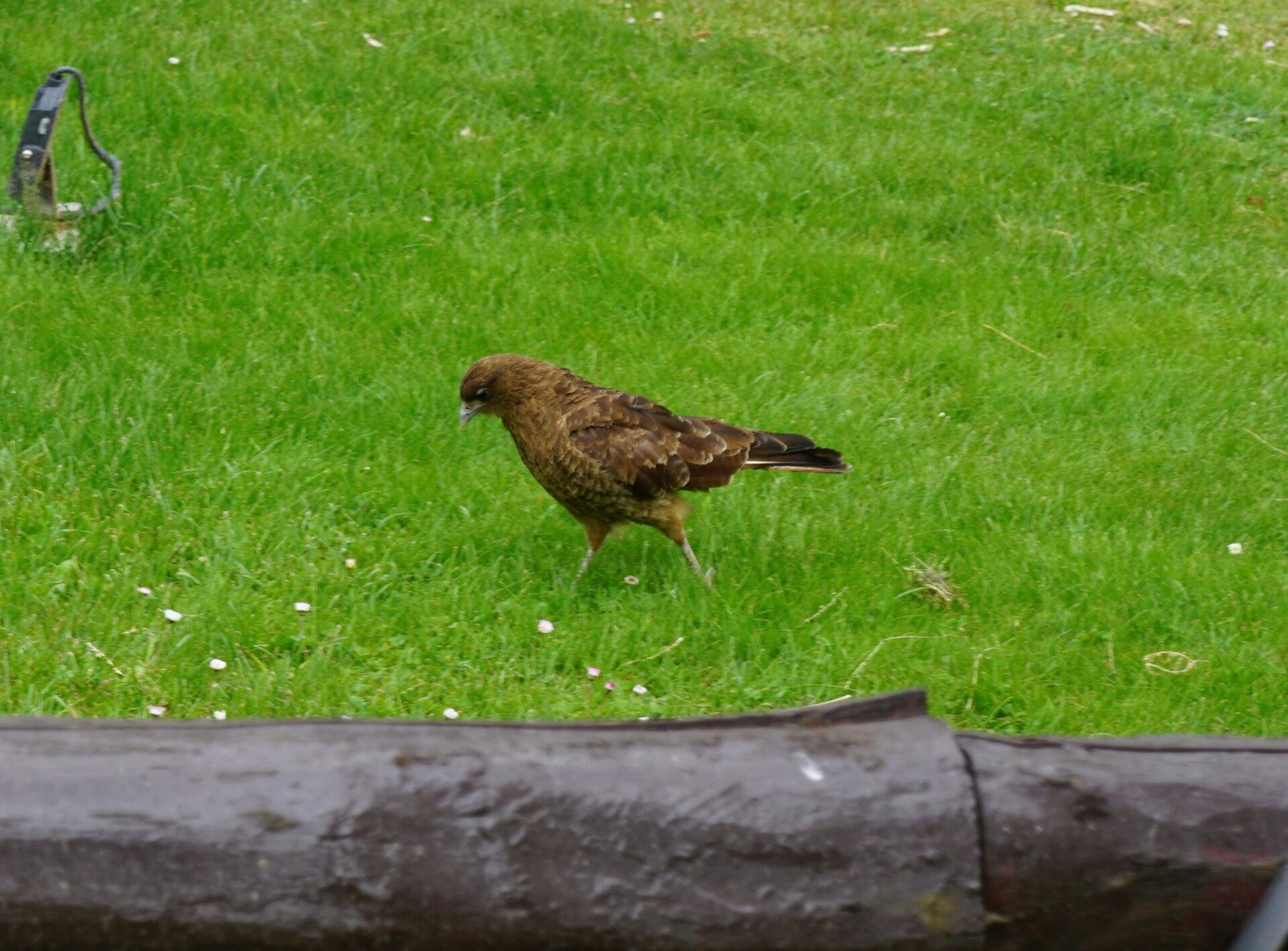
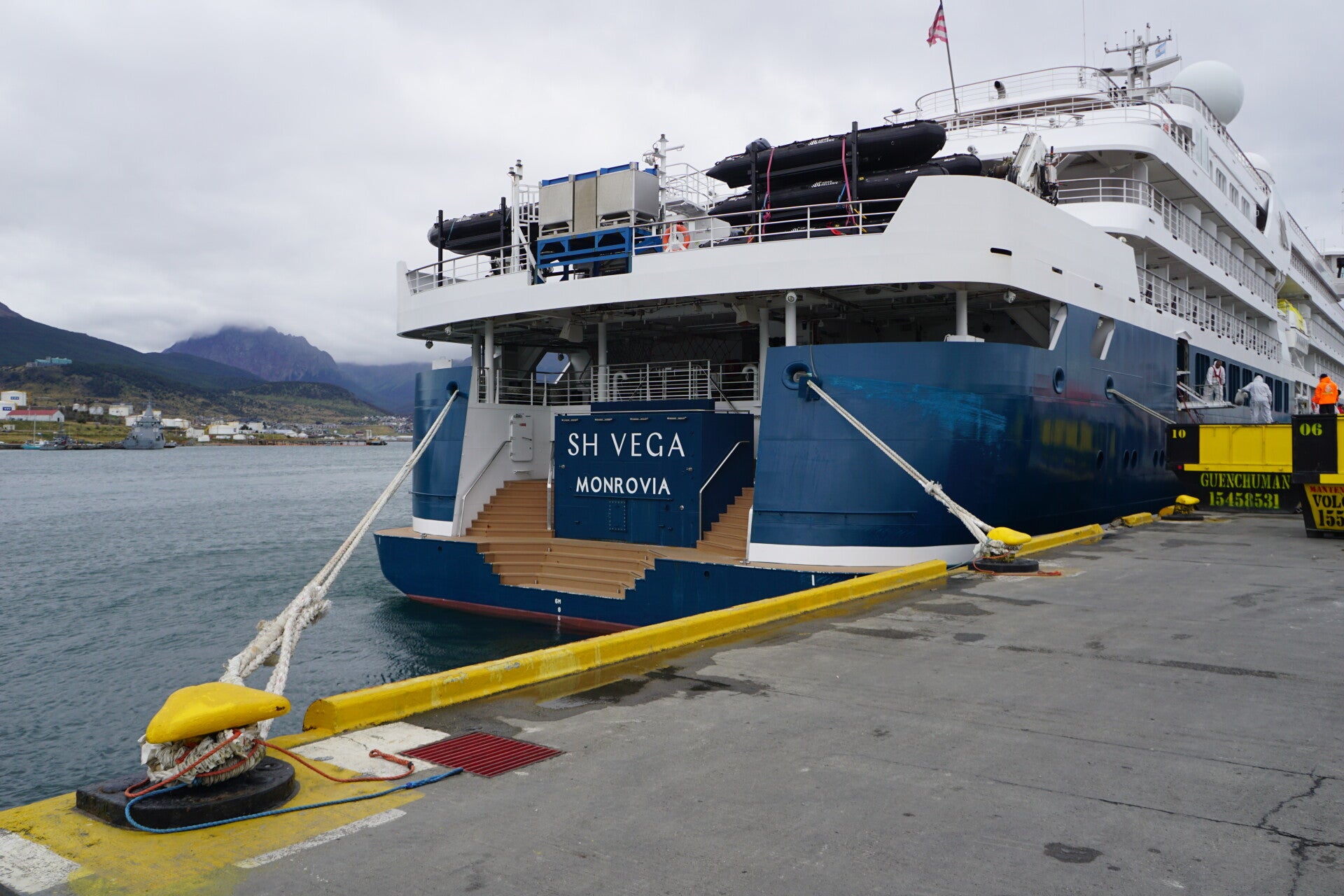
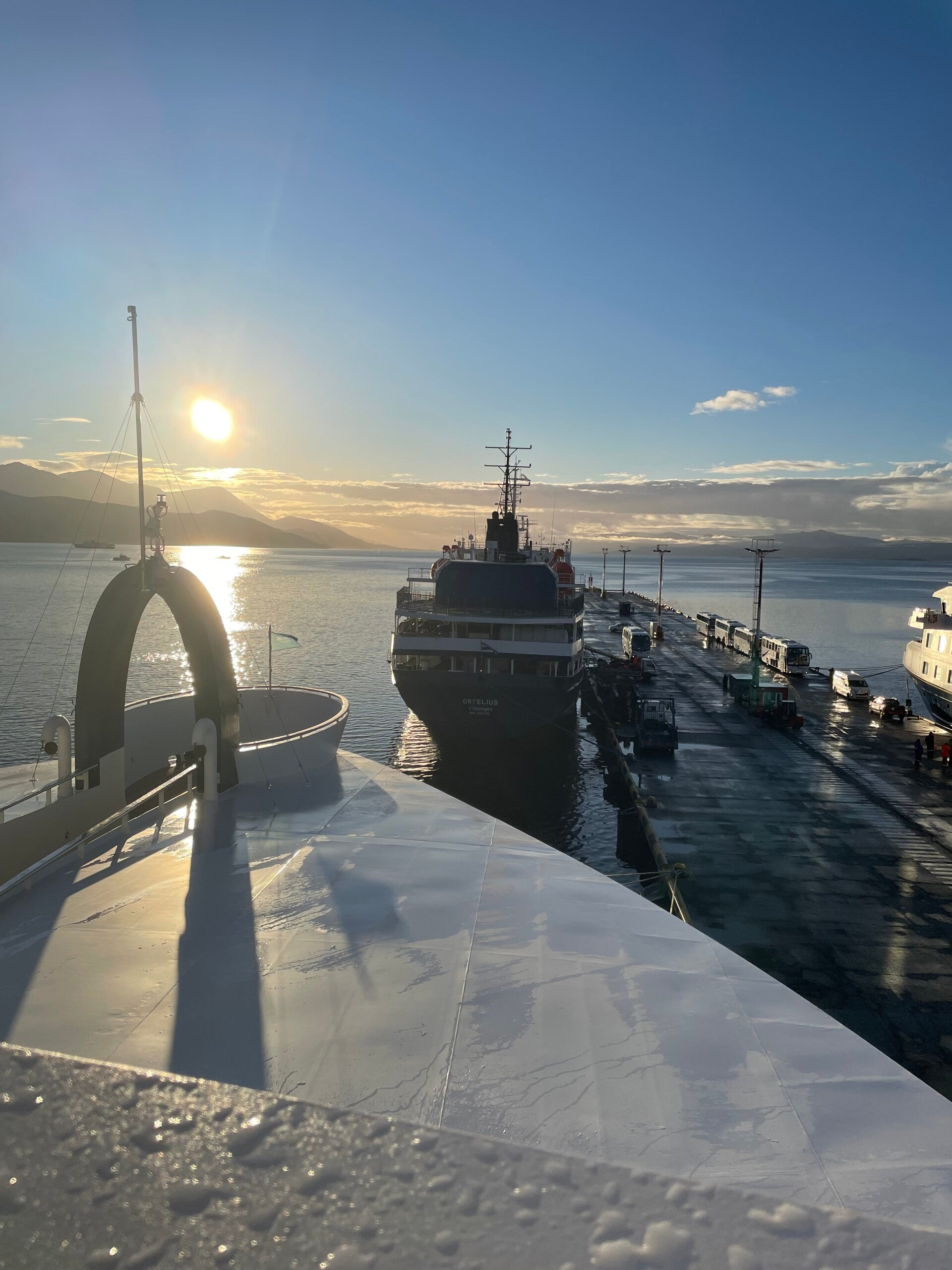
 Afrer a three hour flight from BA, I arrived in the port of Ushuaia, where my adventure would begin in earnest. We caught our first glimpse of the good ship SH Vega  as we were transferred from airport to seaport. She was Berber alongside one of the giant cruise liners that I would not wish to be associated with and which cannot get passengers ashore in the places that Vega will take us to. After boarding and registration, I managed to step ashore for a quick stroll around the town and got this shot of a local resident. I have now identified it as a Chimango Caracara, a bird of prey in the family Falconidae, the falcons and caracaras. It is found in Argentina, and all neighbouring South American countries.


The Vega displaces approximately 10,000tons and has a 'hybrid' drive of four diesel electric generators and then the electric motors. She is four years old, built in Helsinkiand certified for operating in ice bound waters. But before we get to do that, we have to sail 1000km across the notorious Drake's Passage to reach the Antarctic Peninsula. 
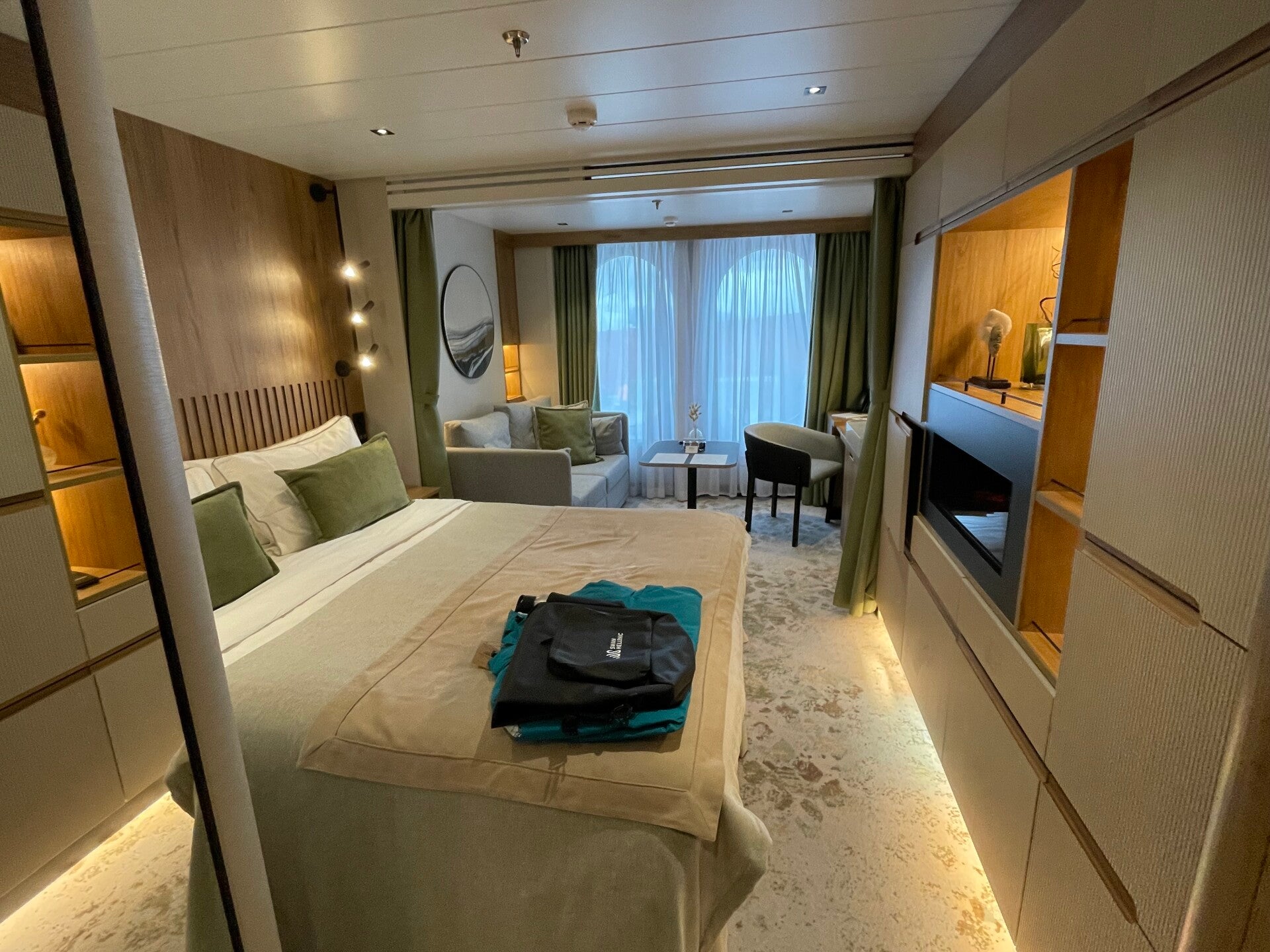
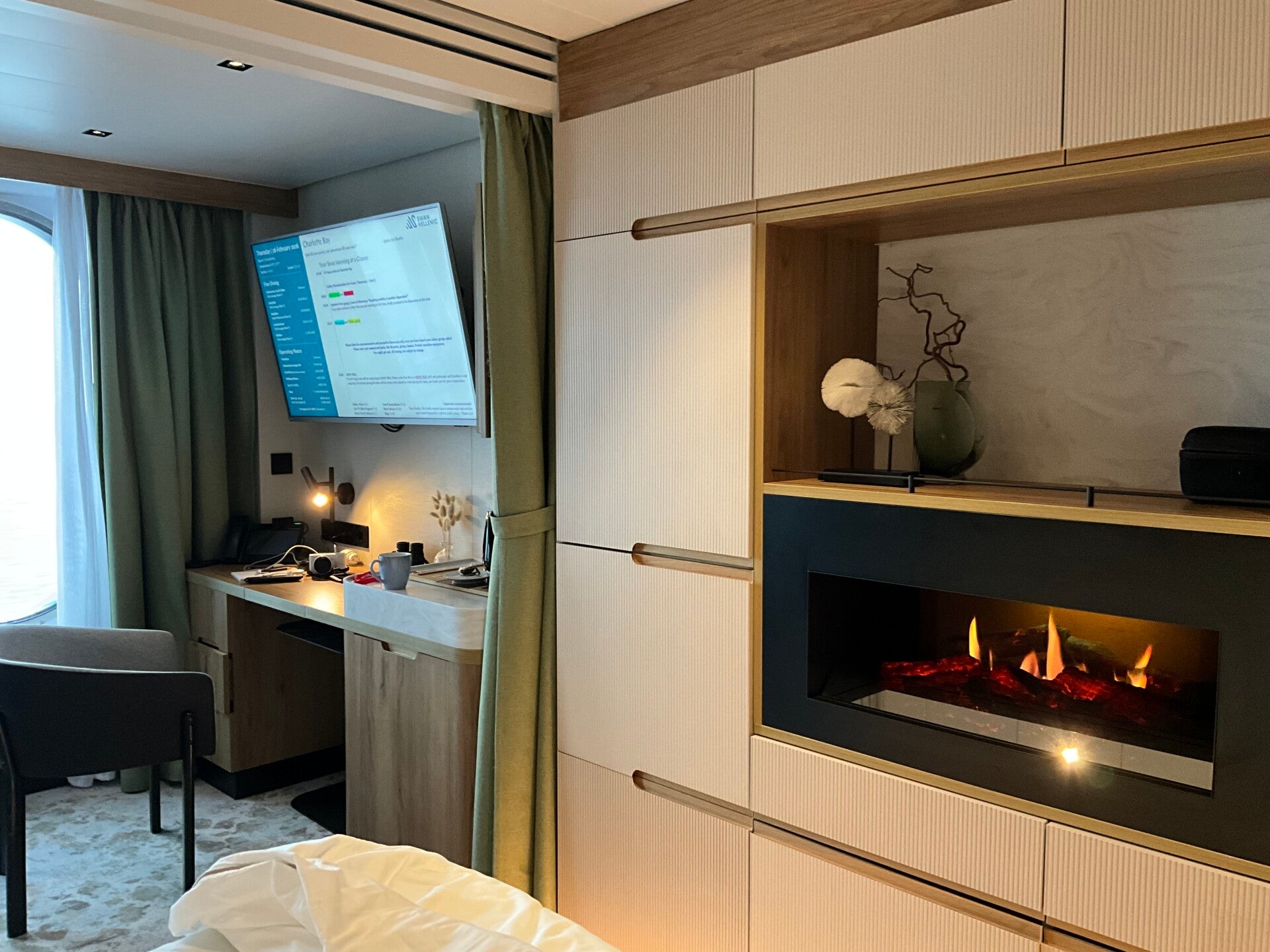
On board, the ship is luxurious but easily negotiated. I have a lovely cabin, or grandly entitled, 'stateroom' on Deck 4, whereas the ~25 Russians who embarked with us, are on Deck 5 with balconies of their own. In the prevailing conditions, however, I don't think they will be taking much balcony time! 

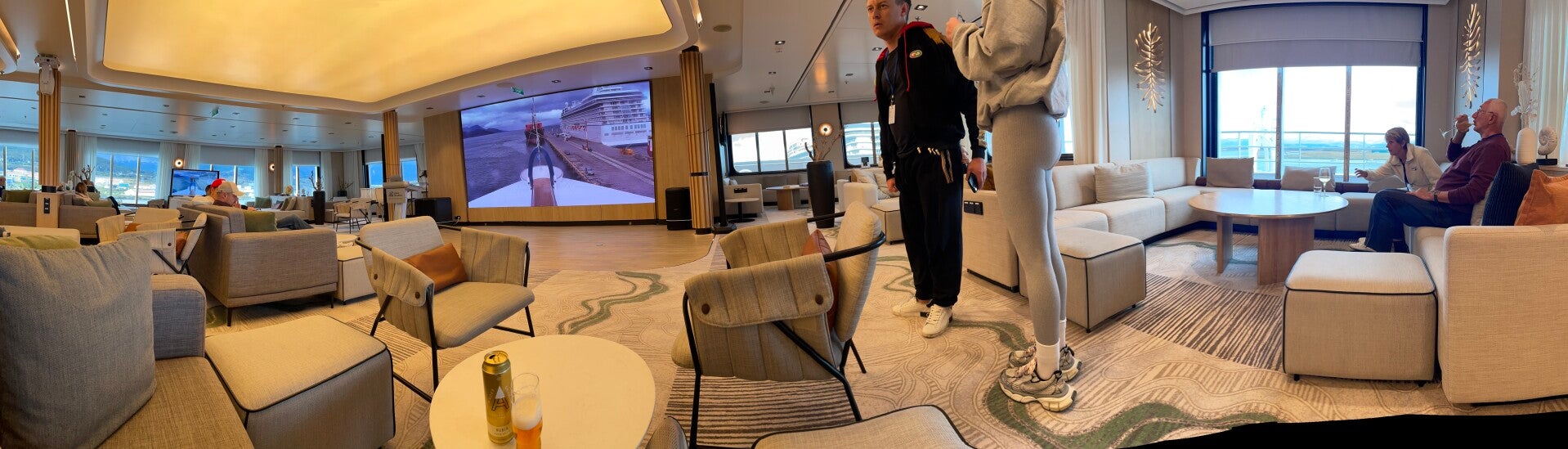
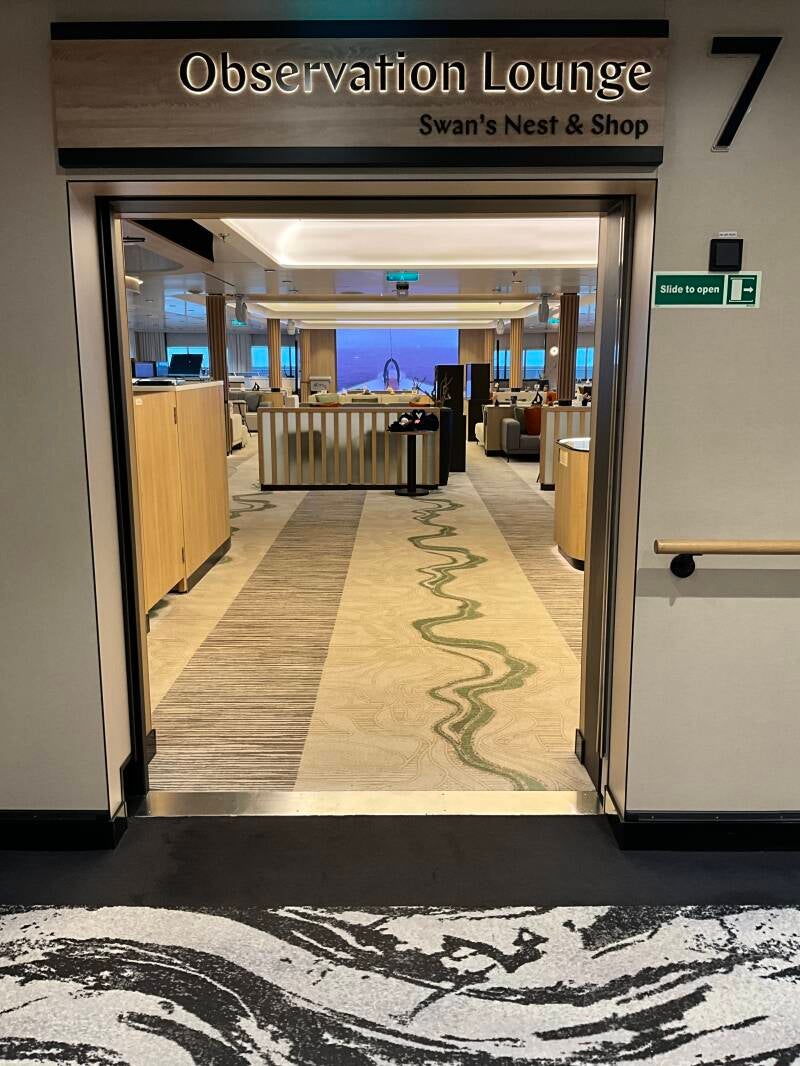
This is the splendid Observation Lounge on Deck 7, whereas all our briefings and lectures take place. On the same deck, the Club Lounge is where one can take light meals and snacks at most times on the day and evening. I started this panoramic shot from left to right, not realising that this shapely Russian rear had wandered into my frame .... and why not?

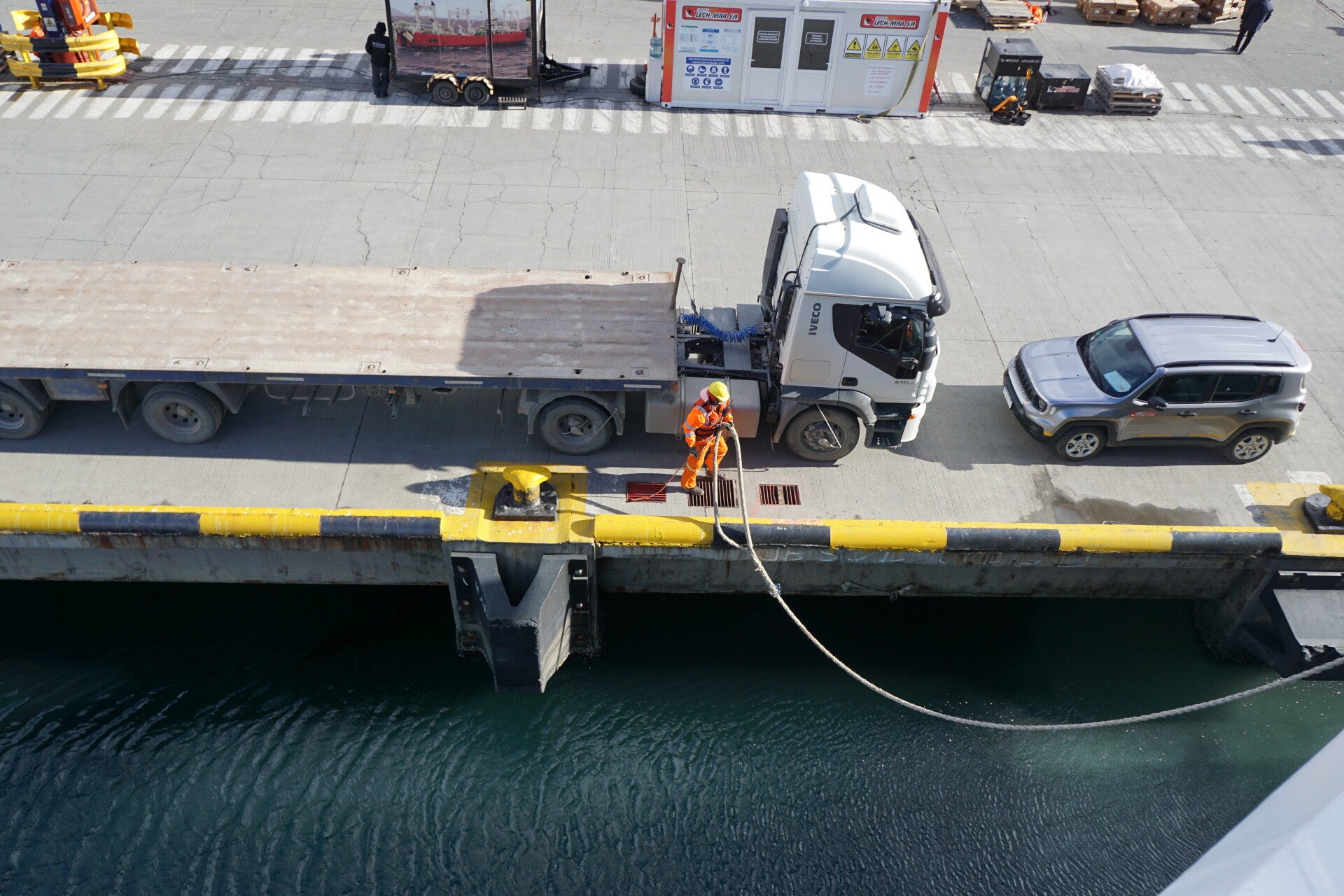
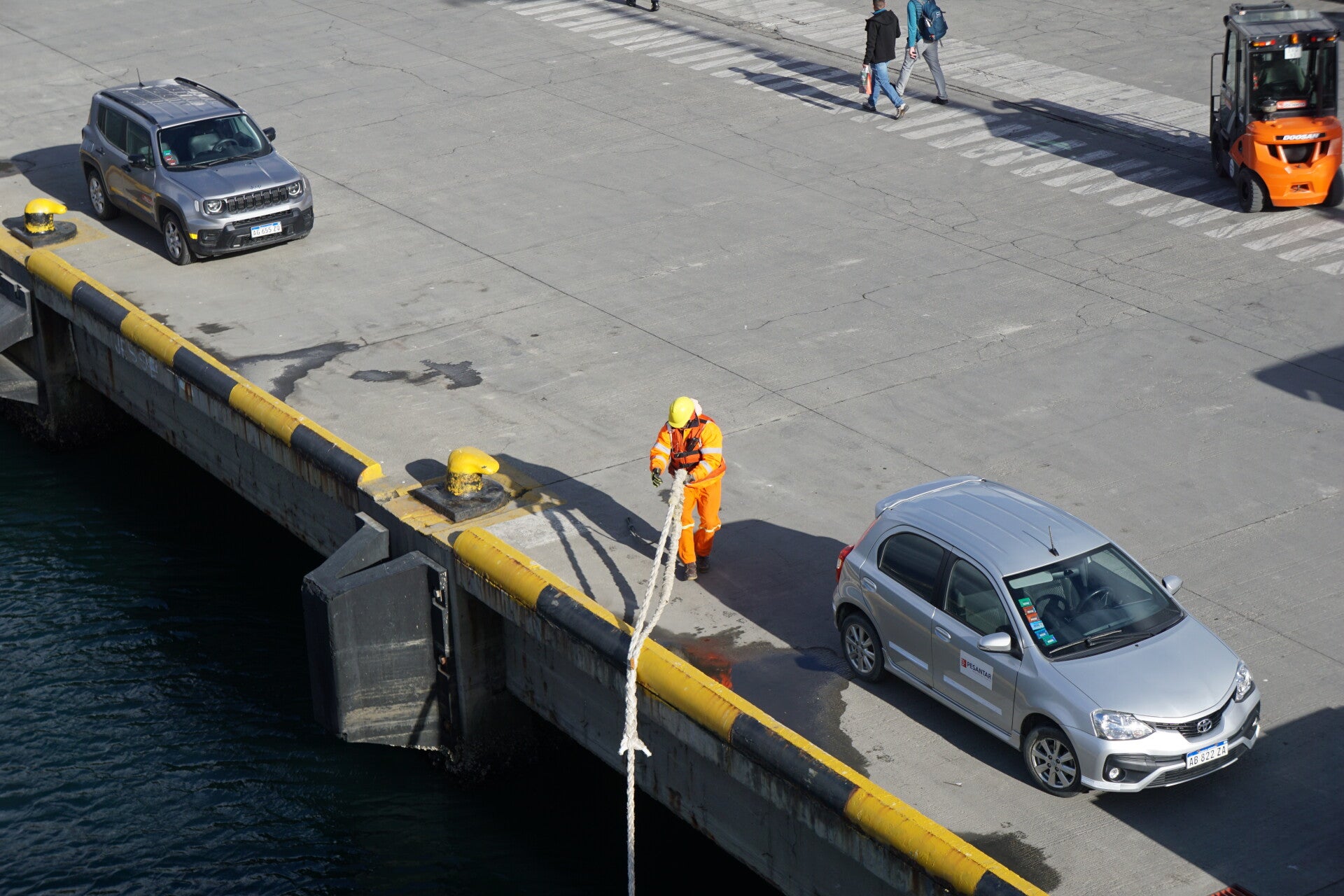
Time to cast off forward! ......Cast off aft.....Time to go to sea!

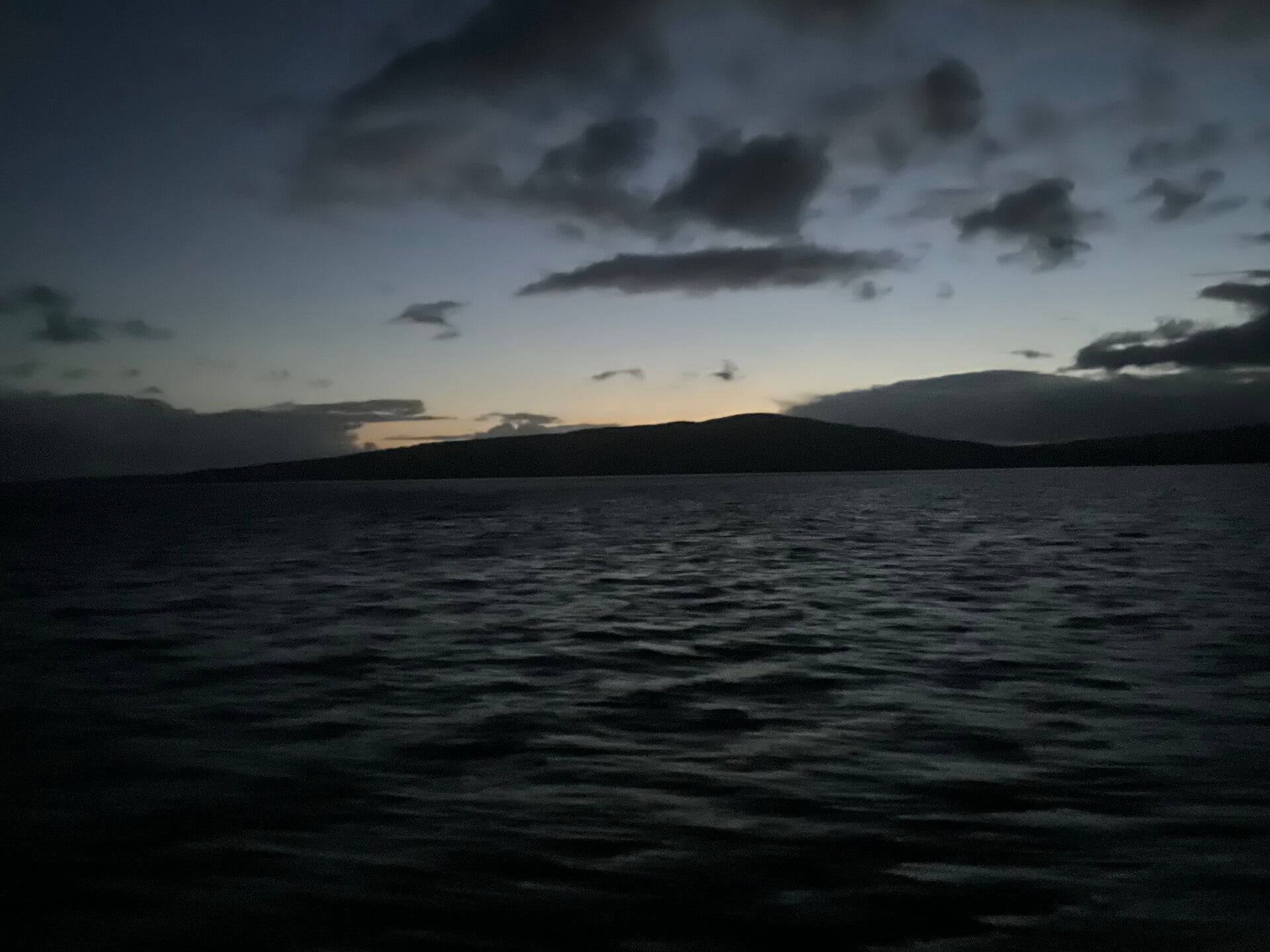
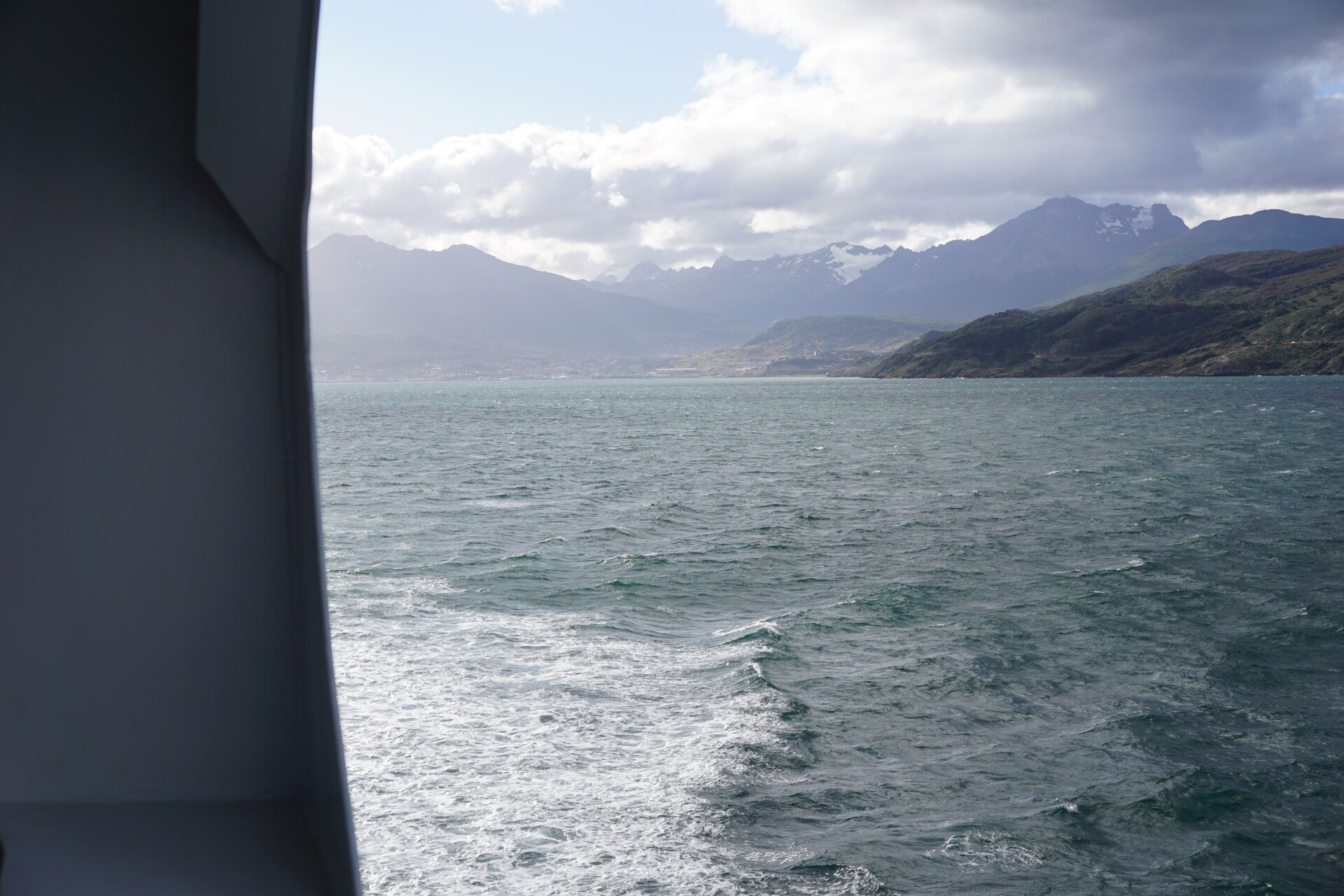
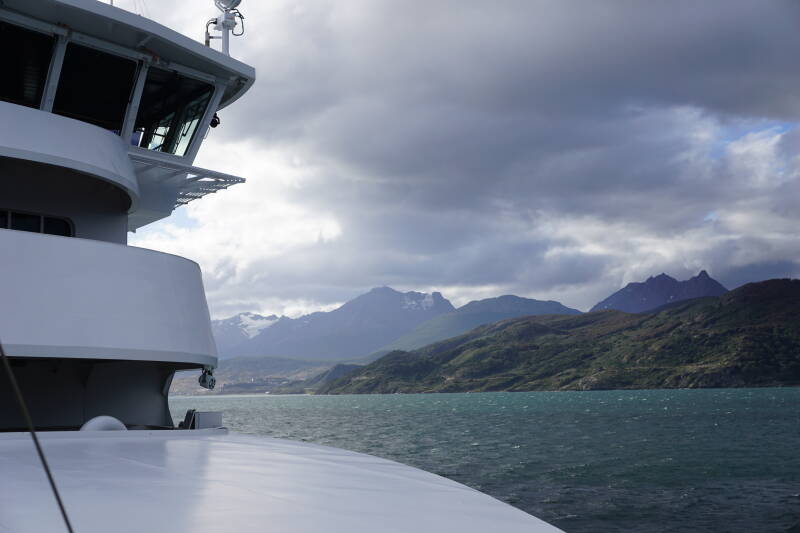
Off along the Beagle Channel that marks the border between Chile & Argentina. A calm start to the voyage but it will get more challenging when we hit Drake's Passage!

The crossing of Drake's Passage was, to be truthful, pretty tame. Some people didn't enjoy it but I found the movement of the well stabilised Vega rocked me to sleep over those two nights. 

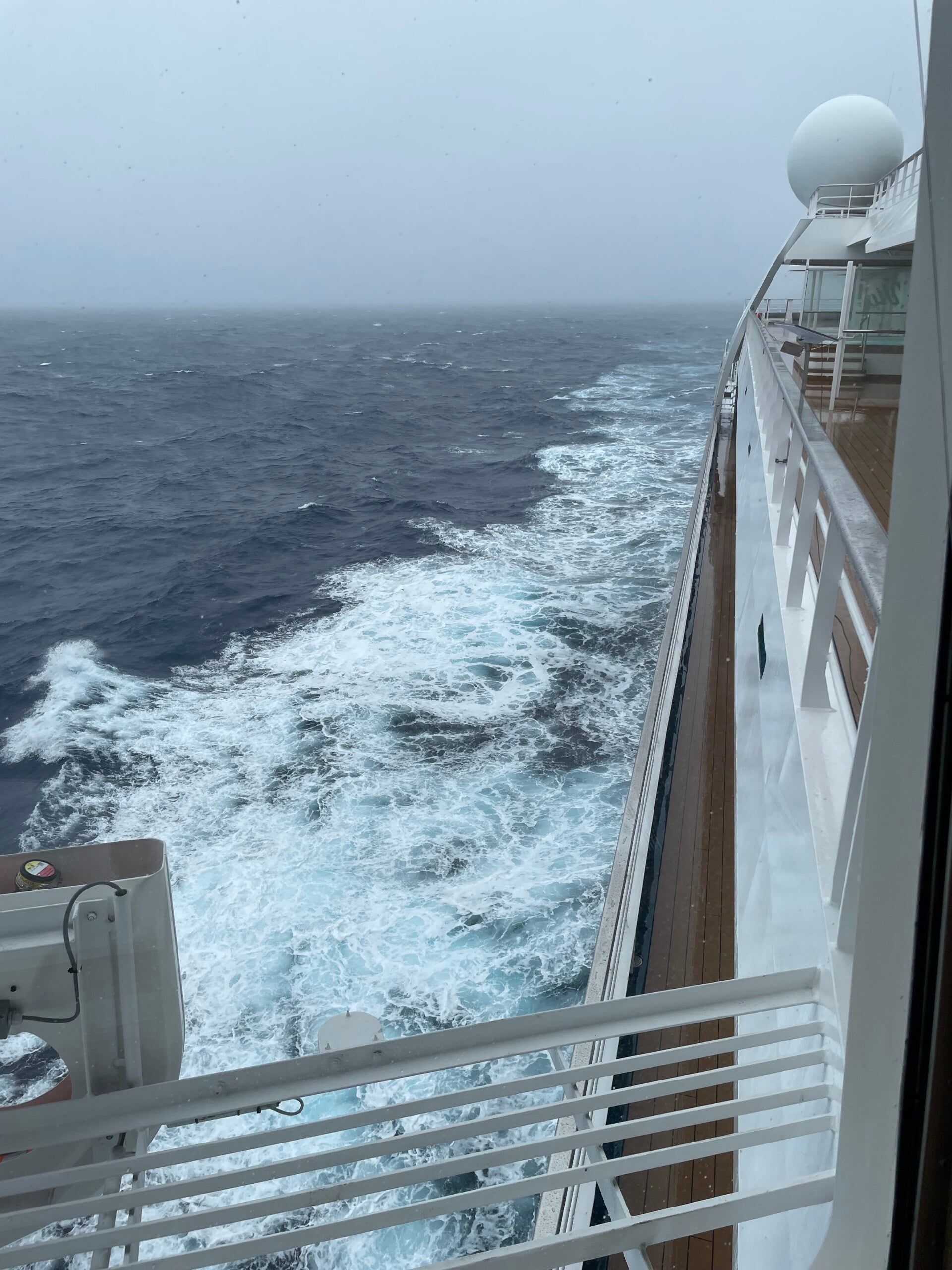
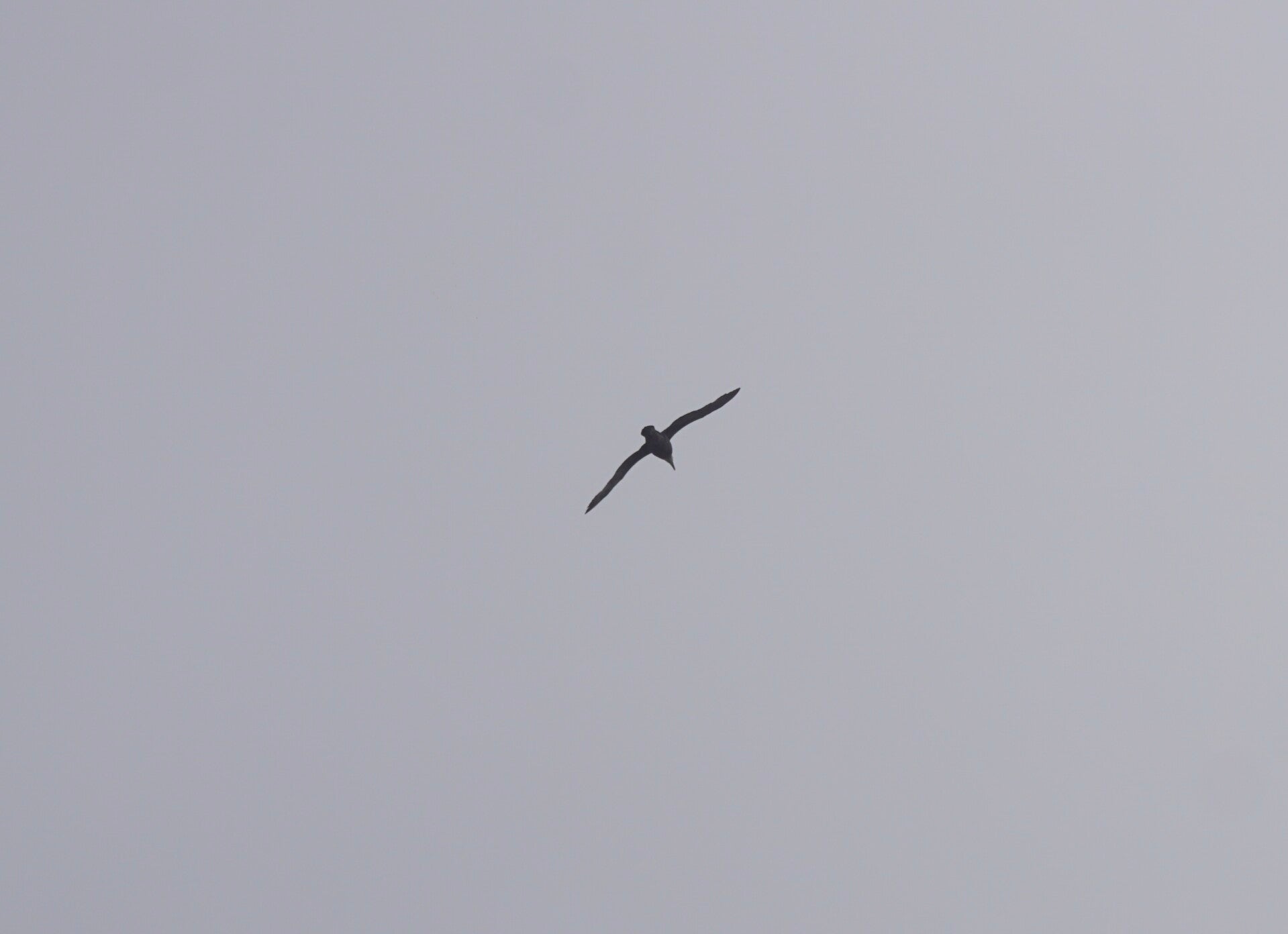
By the morning things were moving around as expected! The voyage has begun in earnest! I got a good night’s sleep and opened the curtains to see Drake’s Passage looking pretty grim but since then have seen glimpses of sunshine. I’ve seen Black-Browed and Wandering Albatrosses flying along the wave tops close to the ship. Had a session in the gym before breakfast, where I found it nigh on impossible to do my standing exercises because of the movement of the ship, so had to use some of the fixed apparatus, rowing and spinning.

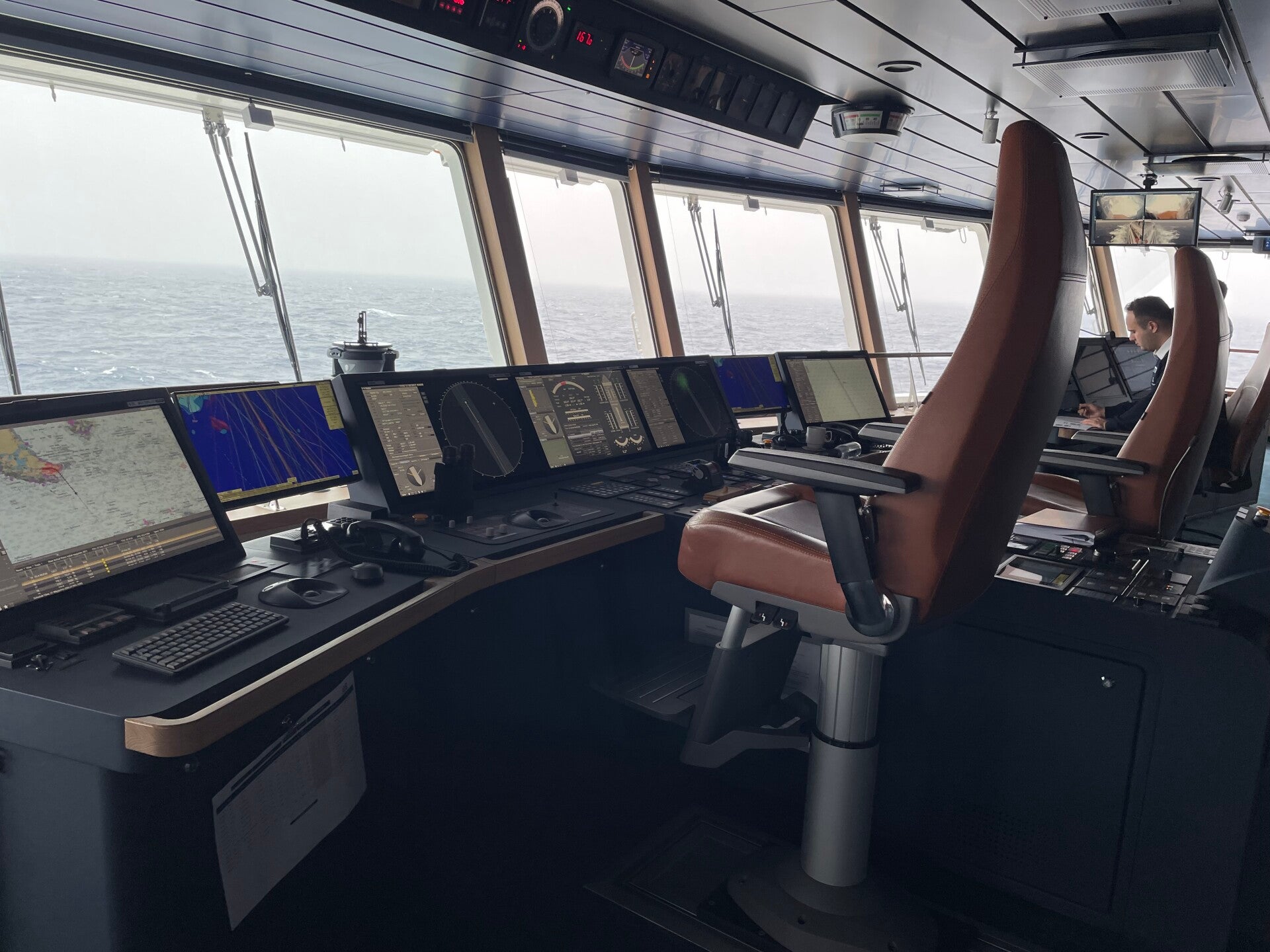
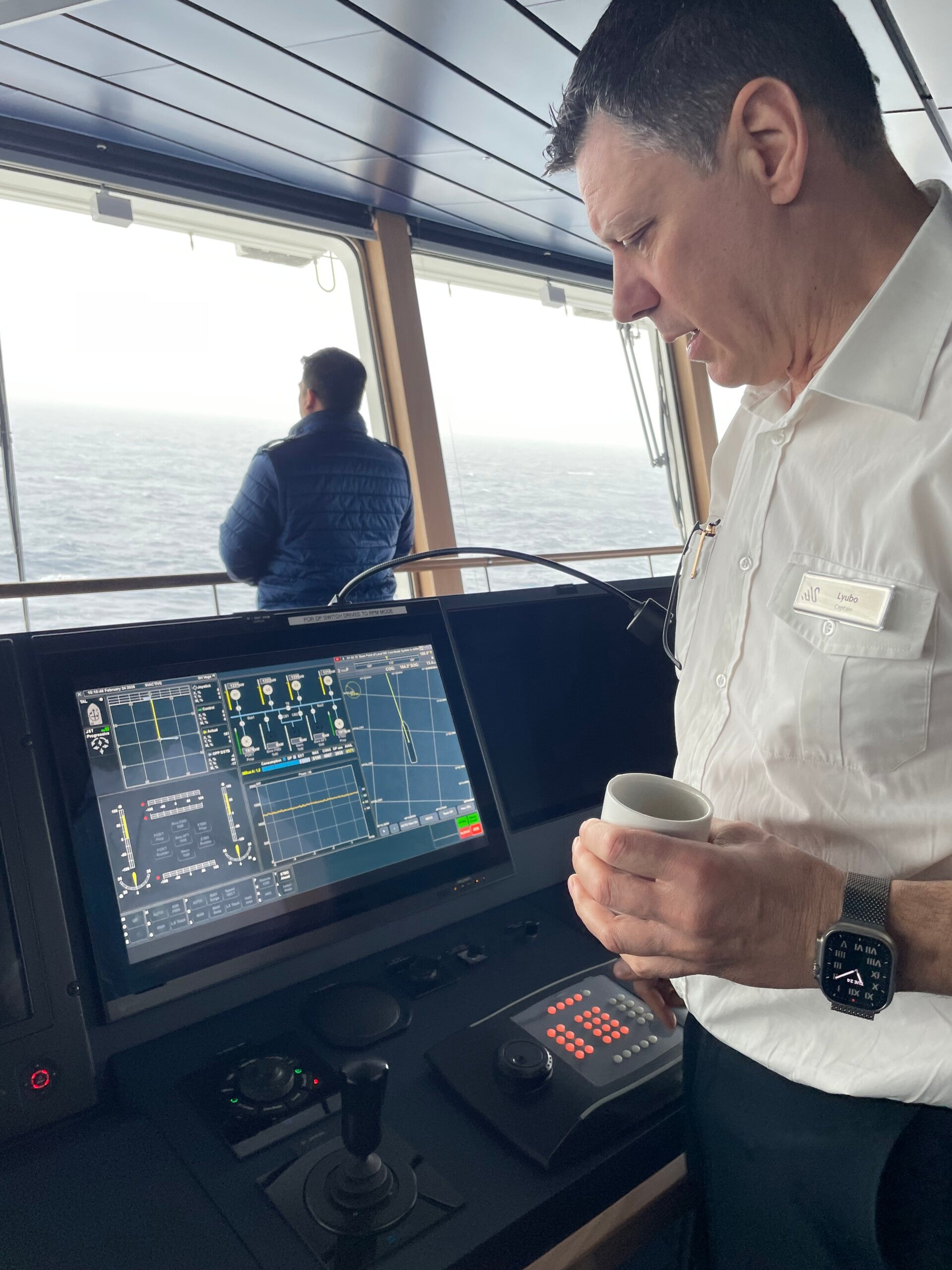
I had met the Captain, a charming Bulgarian, who invited me for a personal guided visit to the bridge. It was most impressive with a wealth of digital displays to match the Starship Enterprise!

There is about a 10ft swell at present, which is nothing remarkable but even with the stabilisers working well, one does have to concentrate when moving around! It’s a day of briefings and kit checking. We had a nice lecture on seabirds by a young Aussie Shiela which was most instructive and engaging. Boot fitting in the afternoon was followed by a reception to meet the other ship’s officers before the daily briefing by the ‘expedition leader’ and then dinner. We are being kept well occupied!


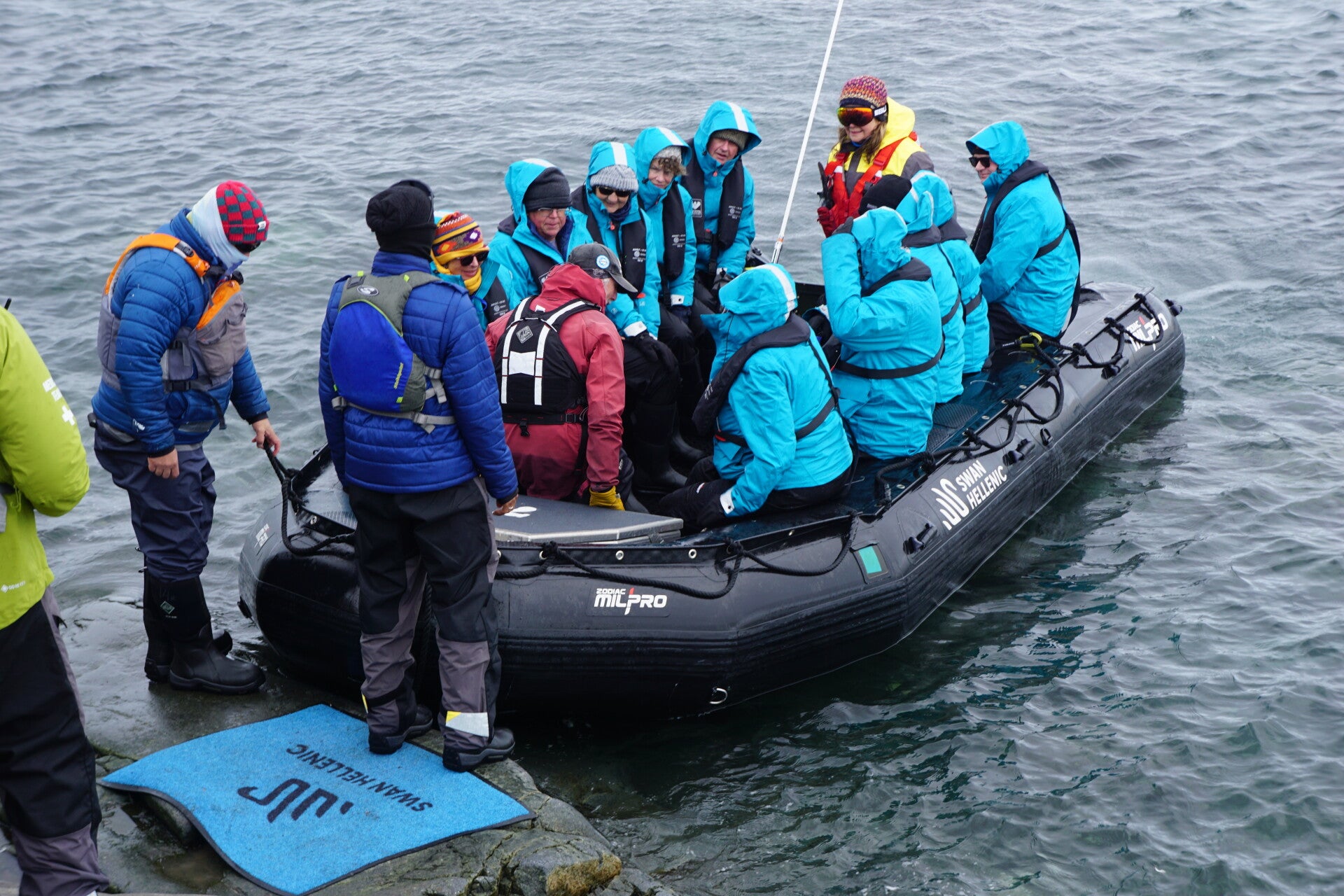
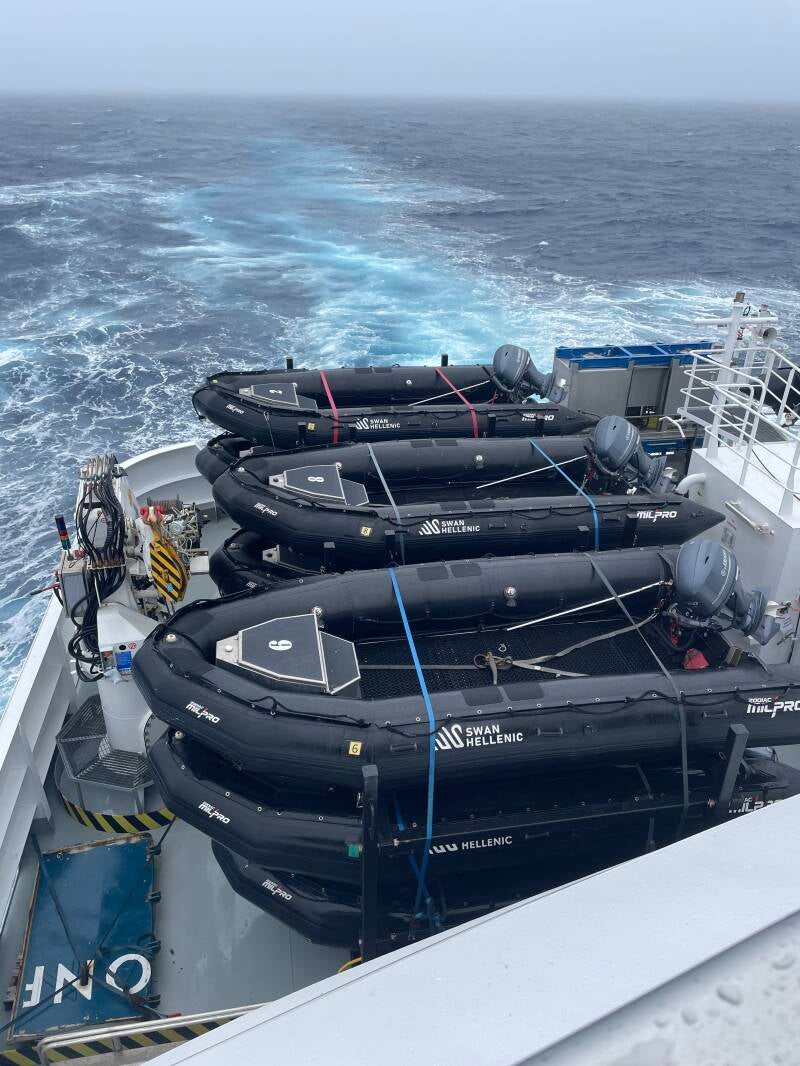
These are the Zodiacs stored on the stern of the ship that we will be riding when we reach Antarctica. These ship carries 12 of these, with each one carries 10 punters plus the expedition driver. The team onboard who organise our visit to Antarctica are an international bunch of guys and girls with all the relevant specialties required to give us a fascinating series of lectures onboard and then lead us on our exploration of this amazing continent! 
 

26 February.  This is it!

So this is our first full day in Antarctica. It is grey and raining but not cold, only about -3C. The expedition leaders set out a very detailed programme of activities that we are organised in four groups.

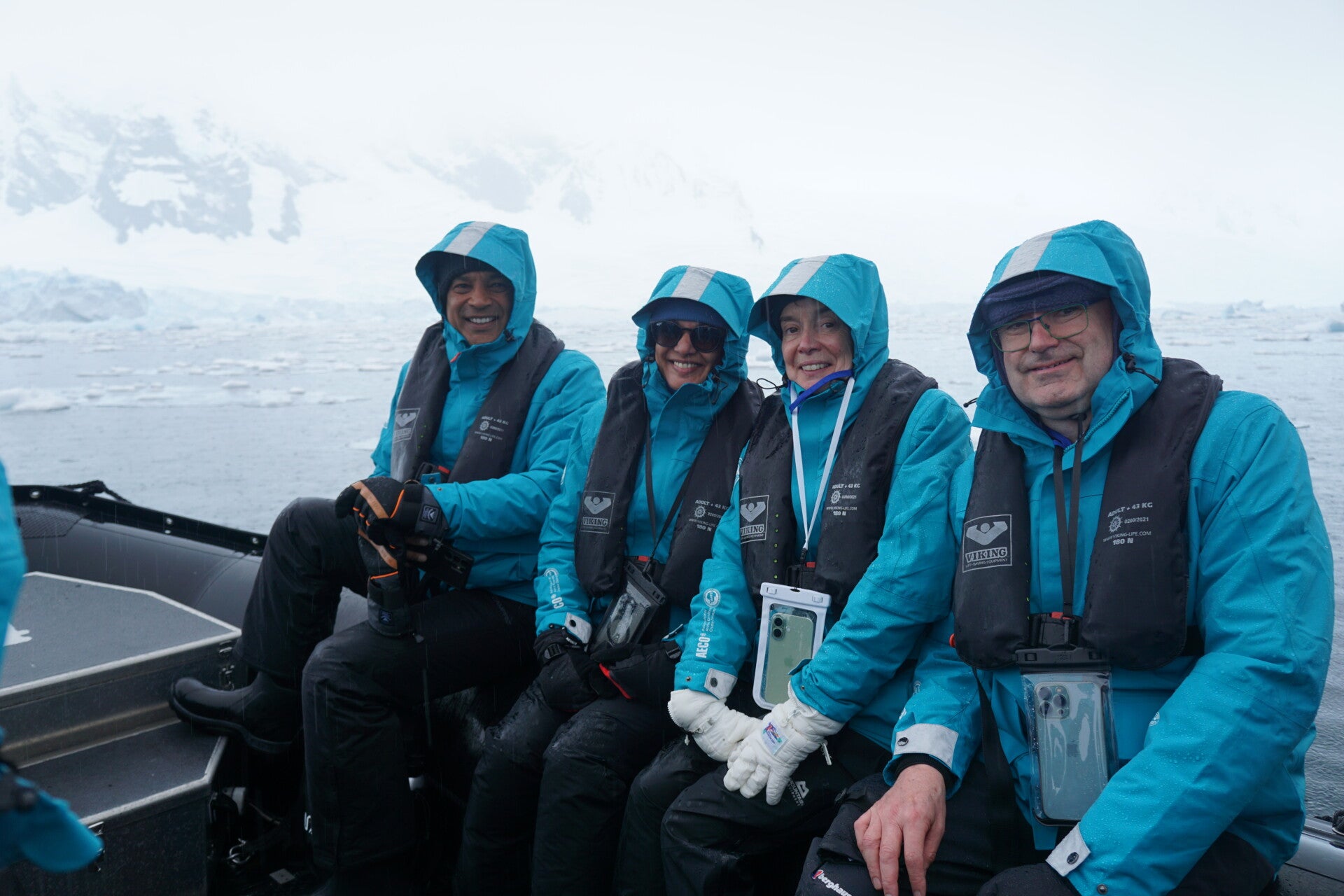
The first event was a 'Zodiac Cruise' that was clearly to get us used to dressing up in all the kit, boarding and disembarking from a Zodiac and learning not to stand up unless the driver gives permission! 
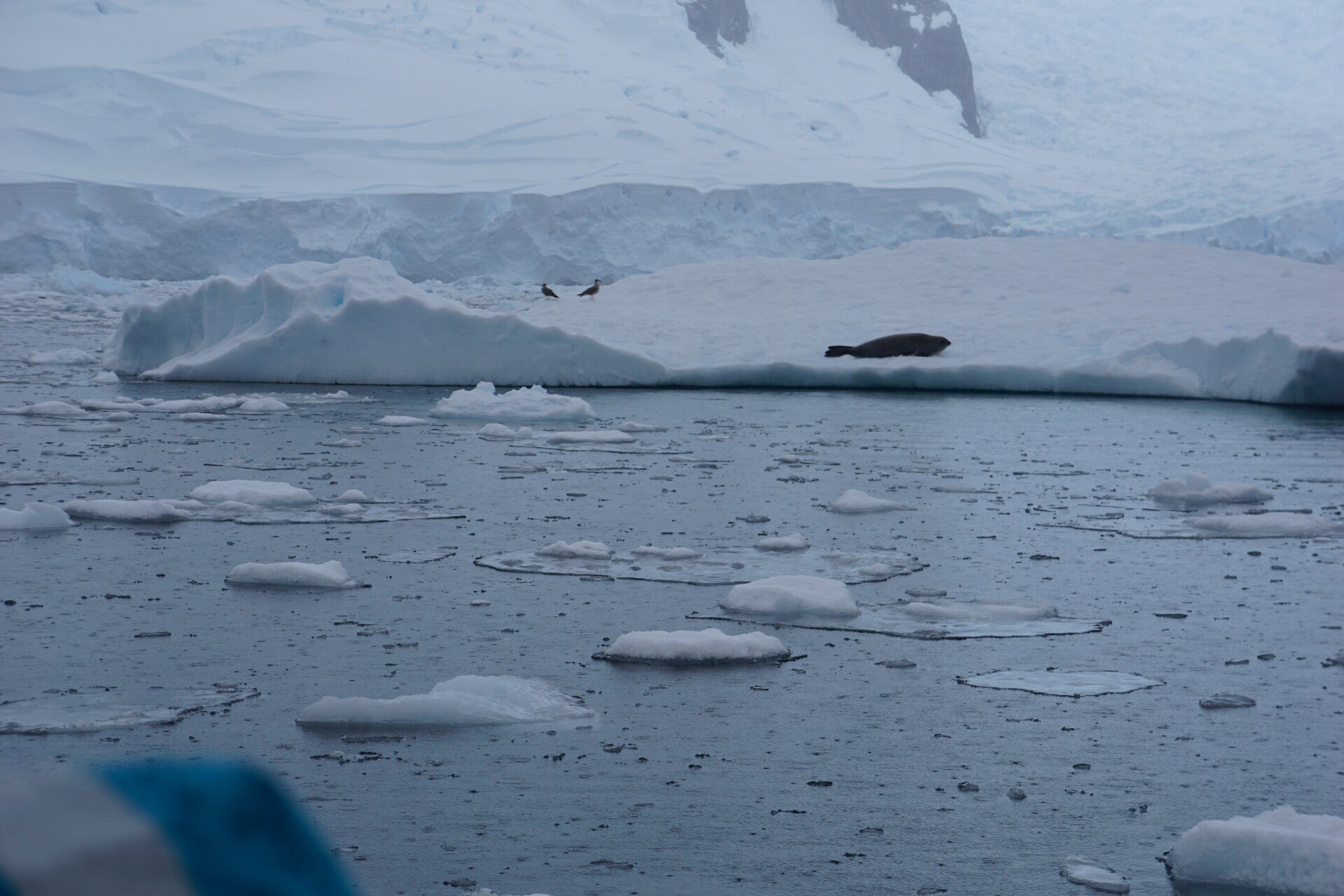
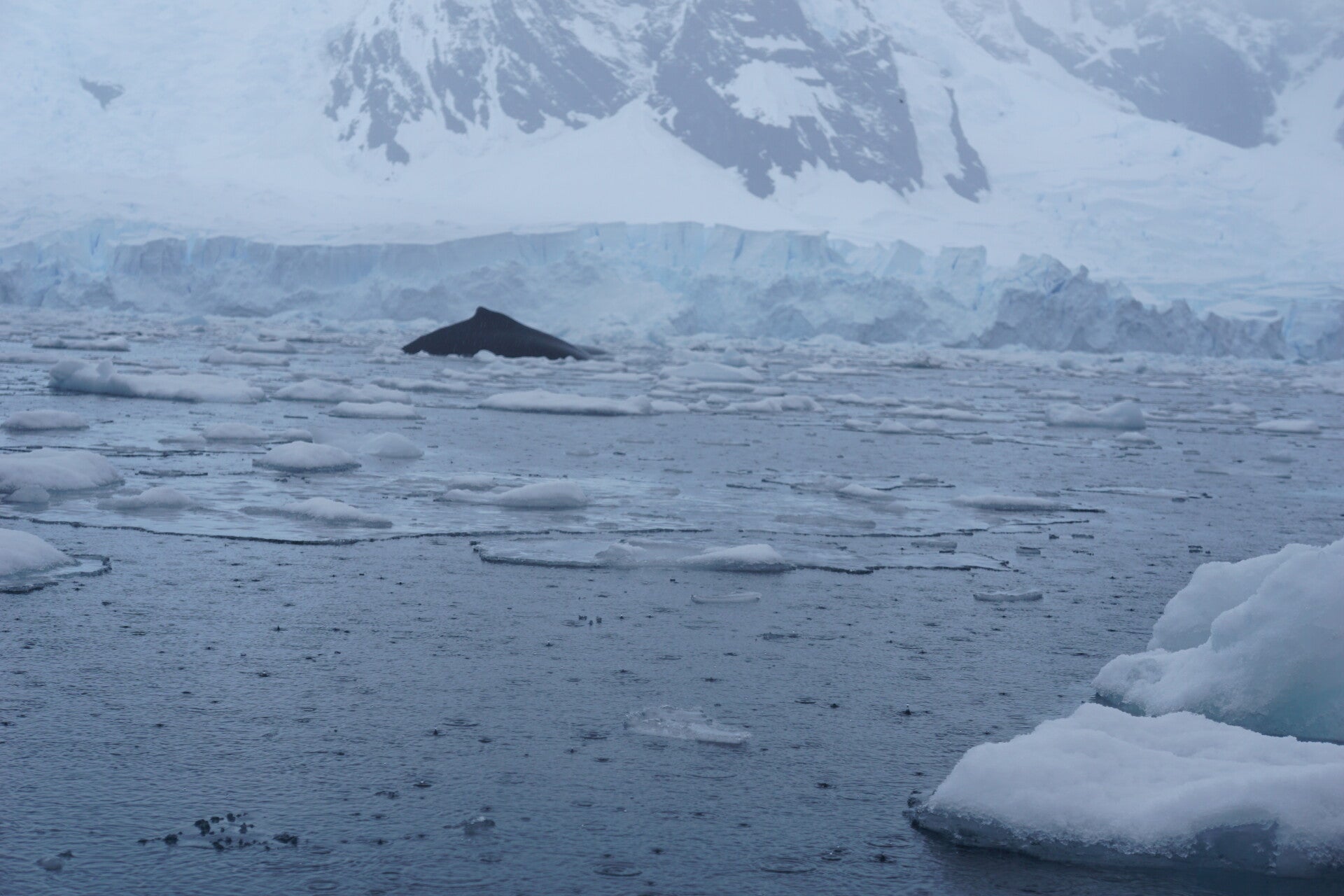
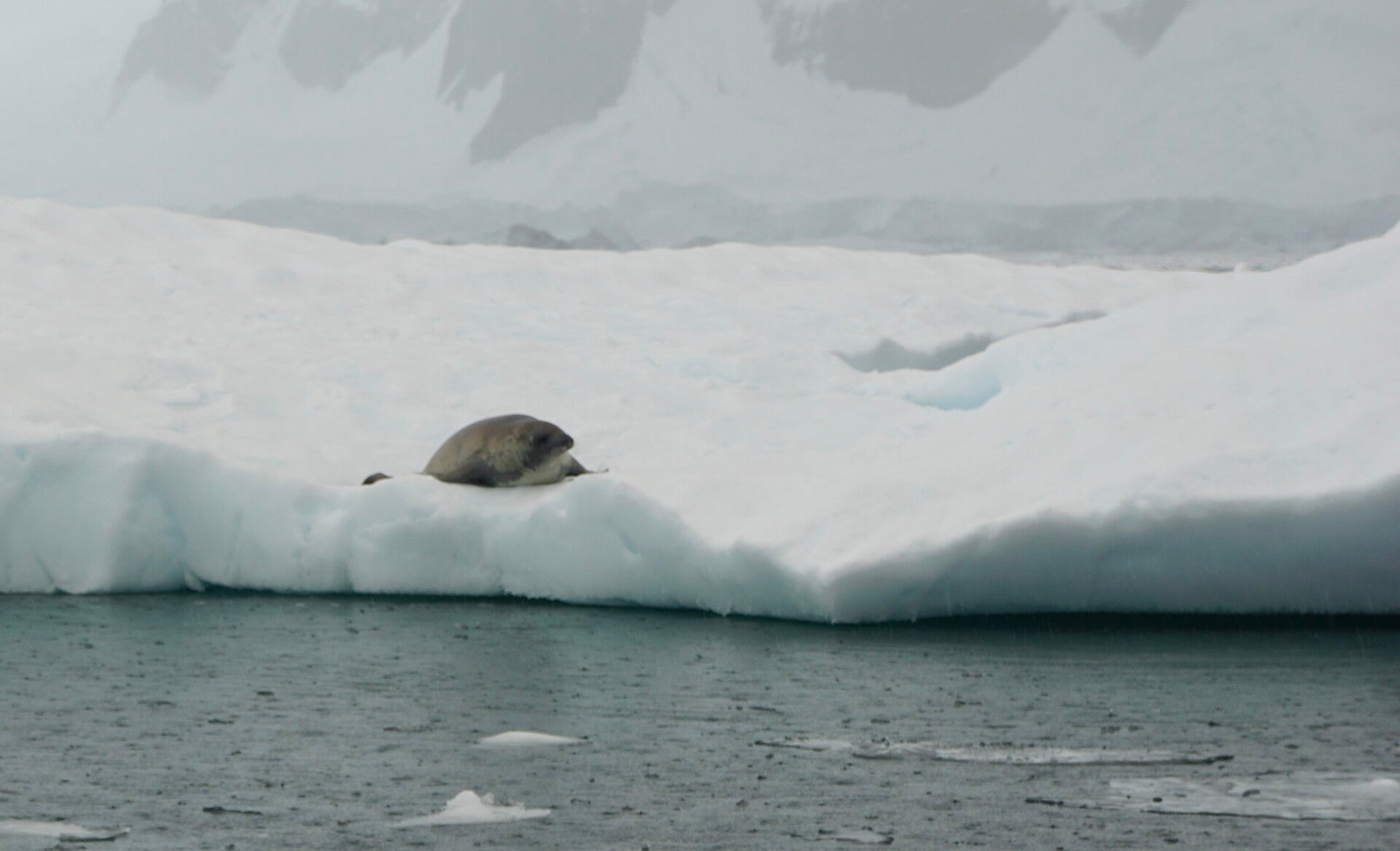
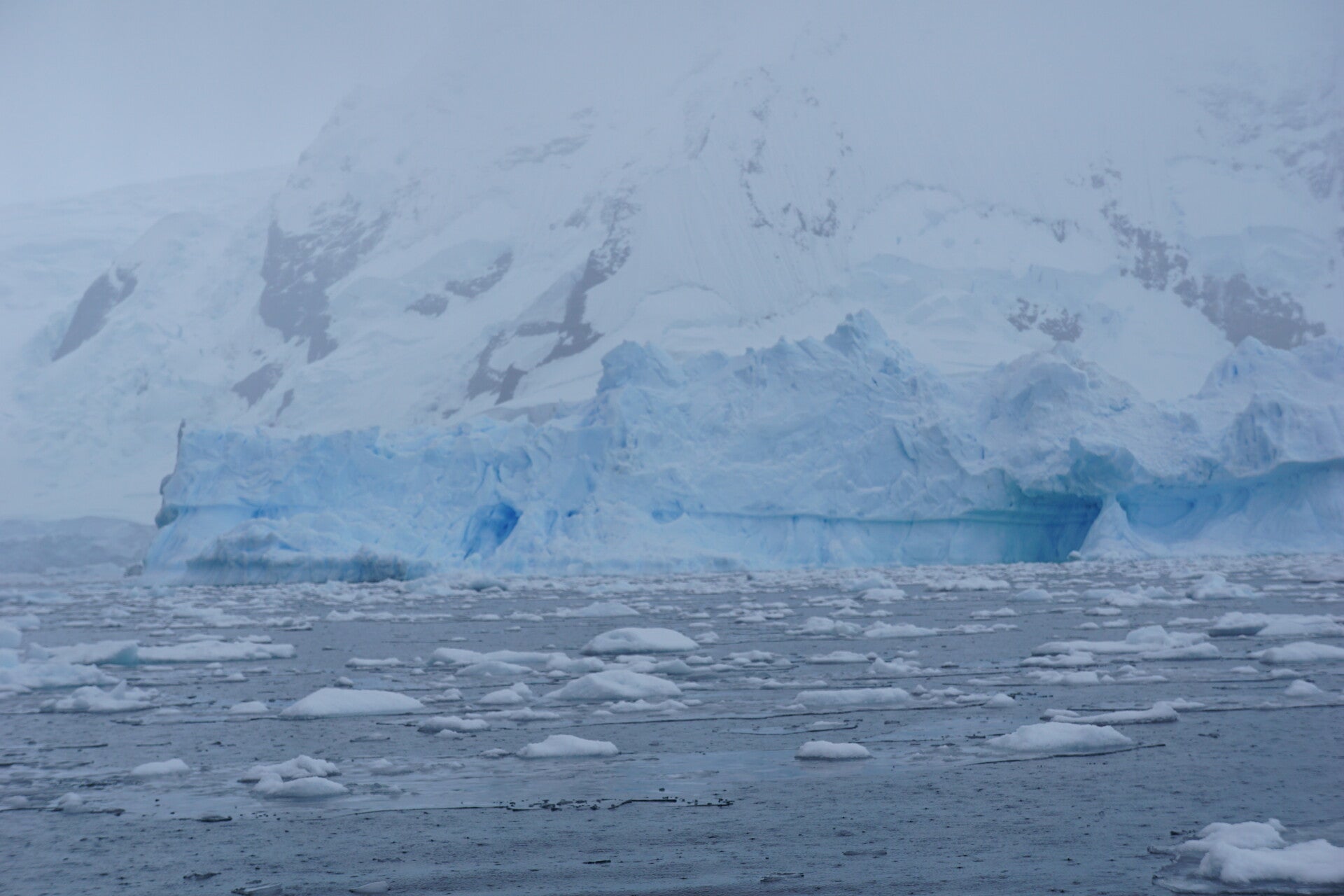
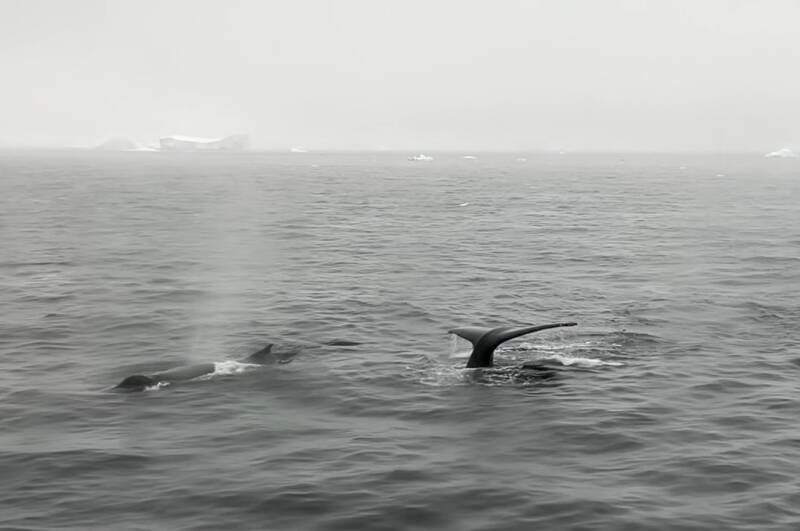
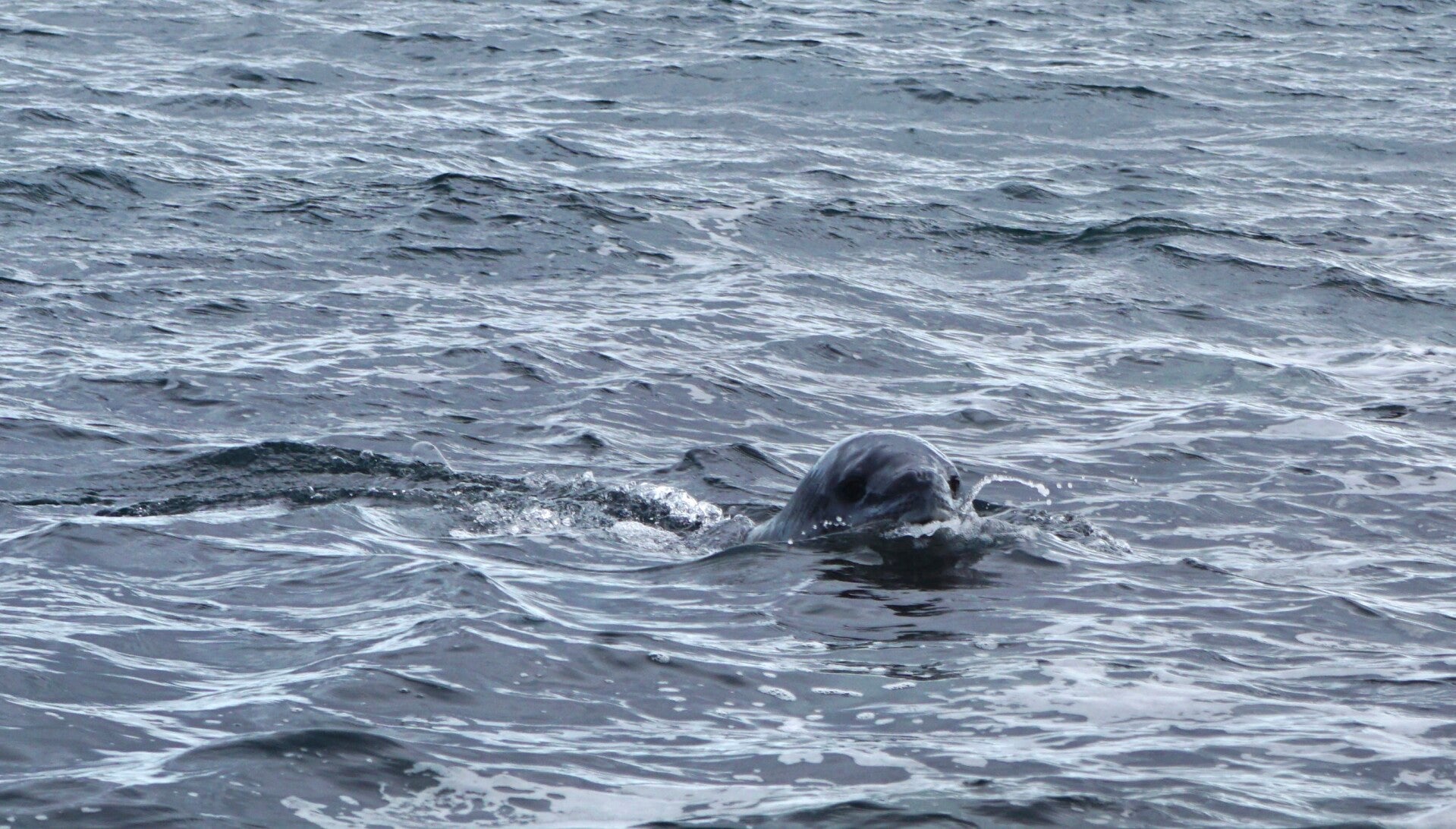
it tuned out to be a great introduction, sighting humback whales, seals and lots of thrilling ice formations.

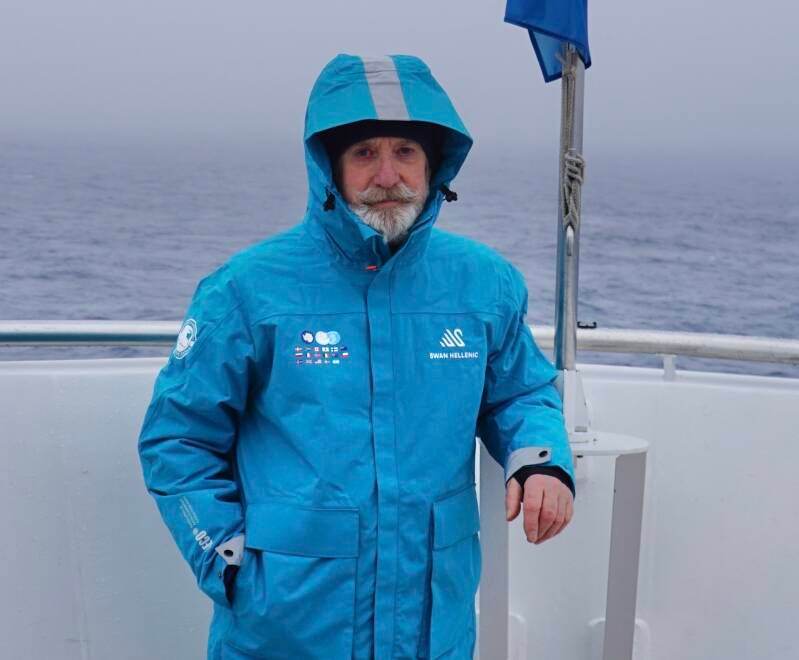
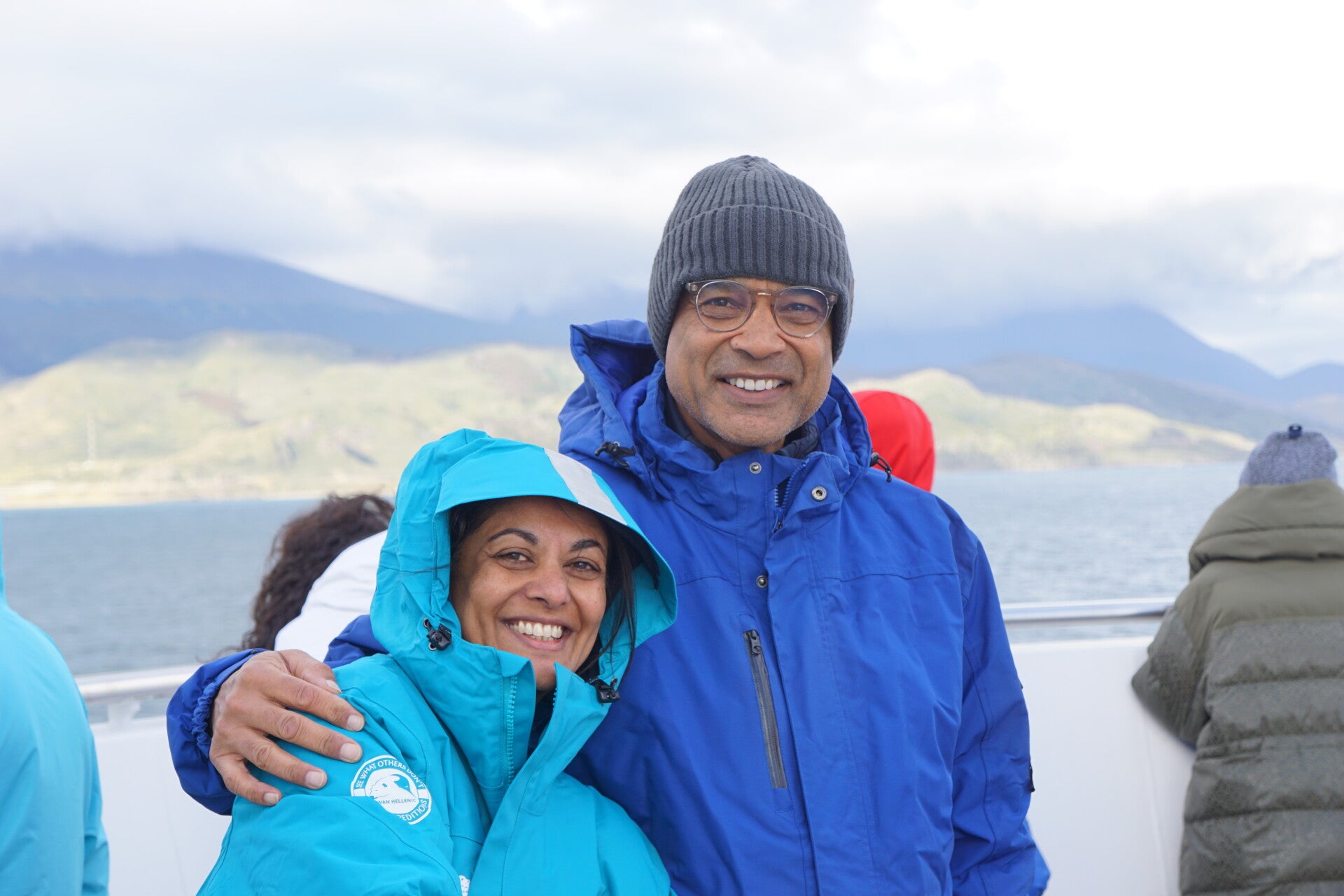
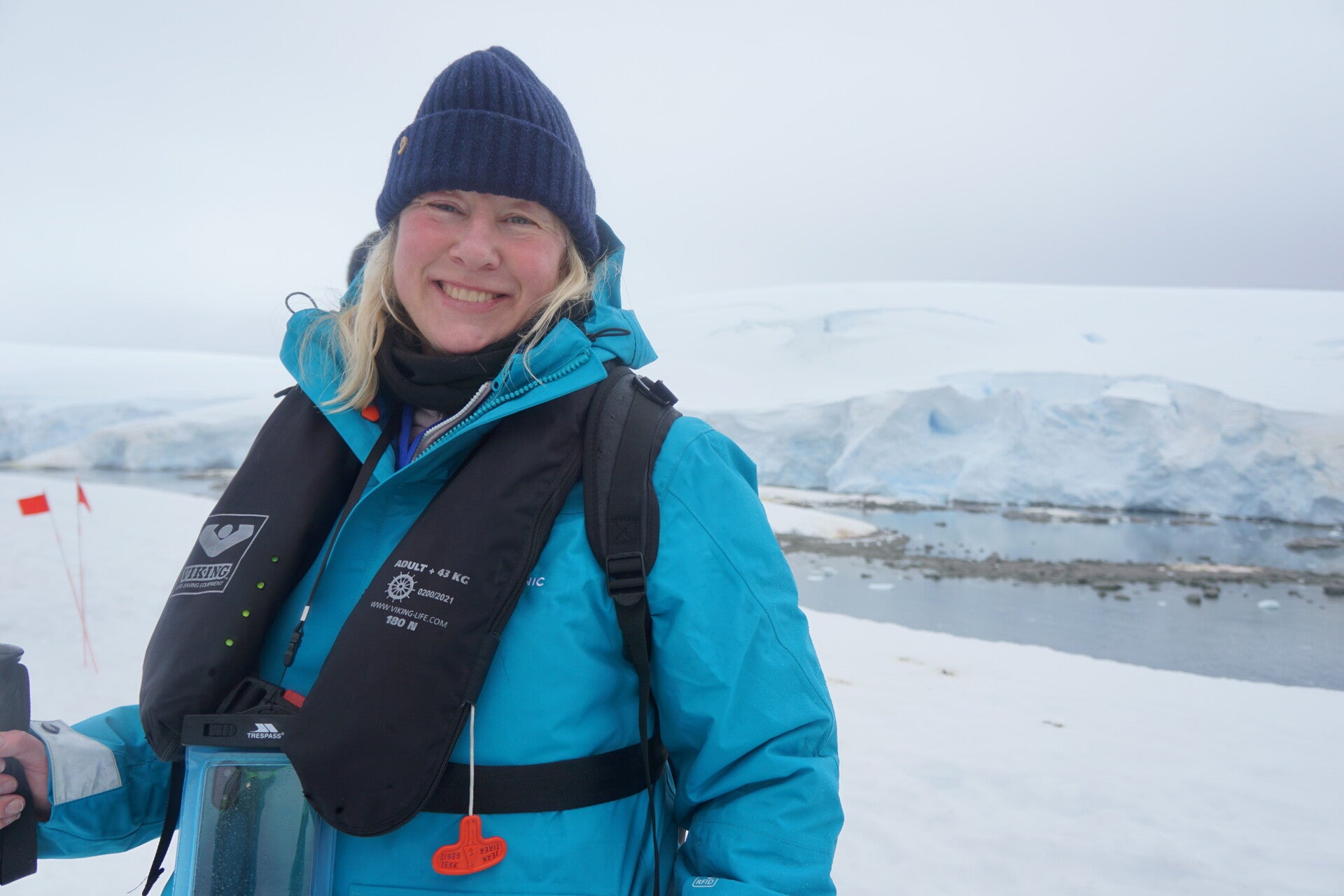
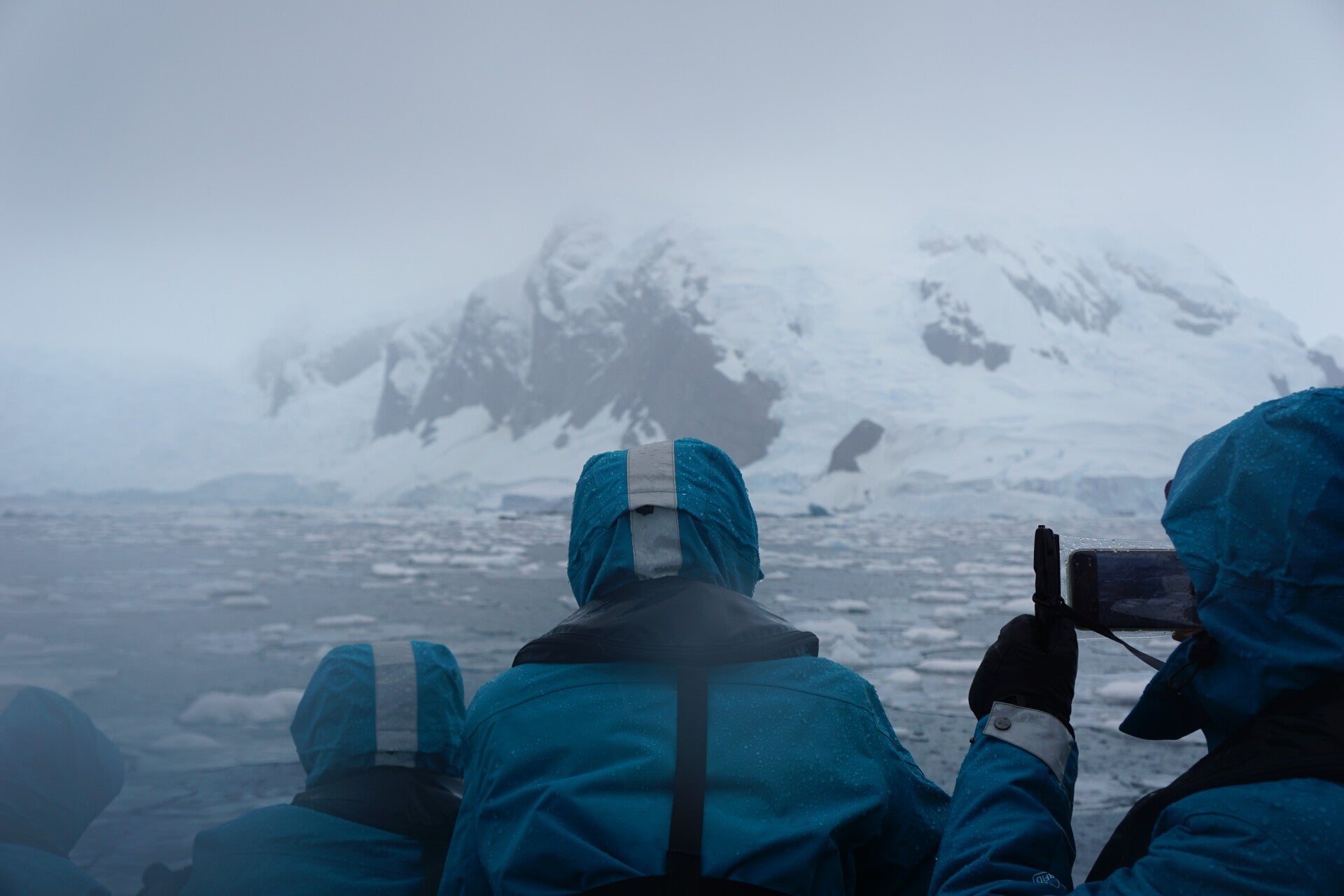
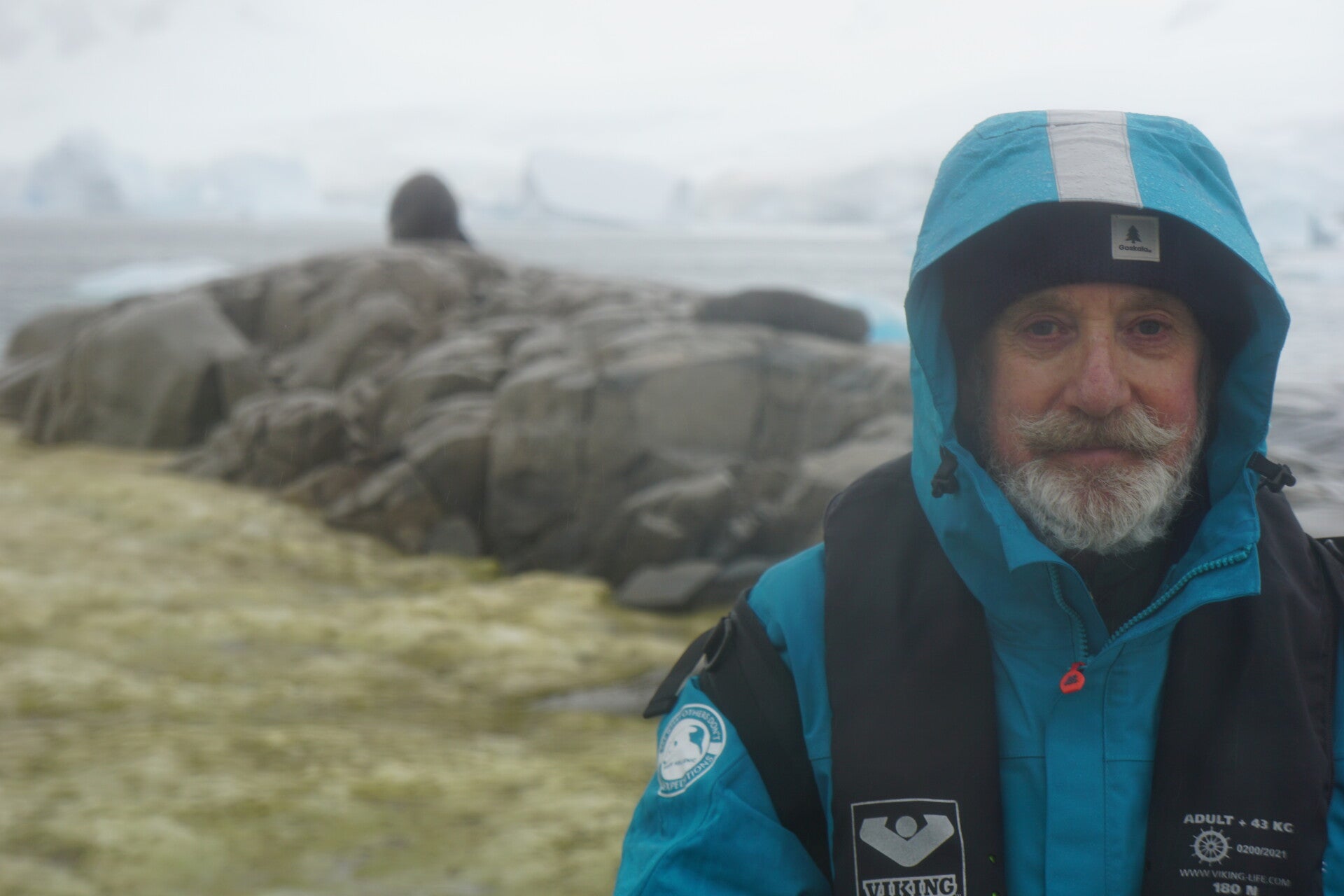
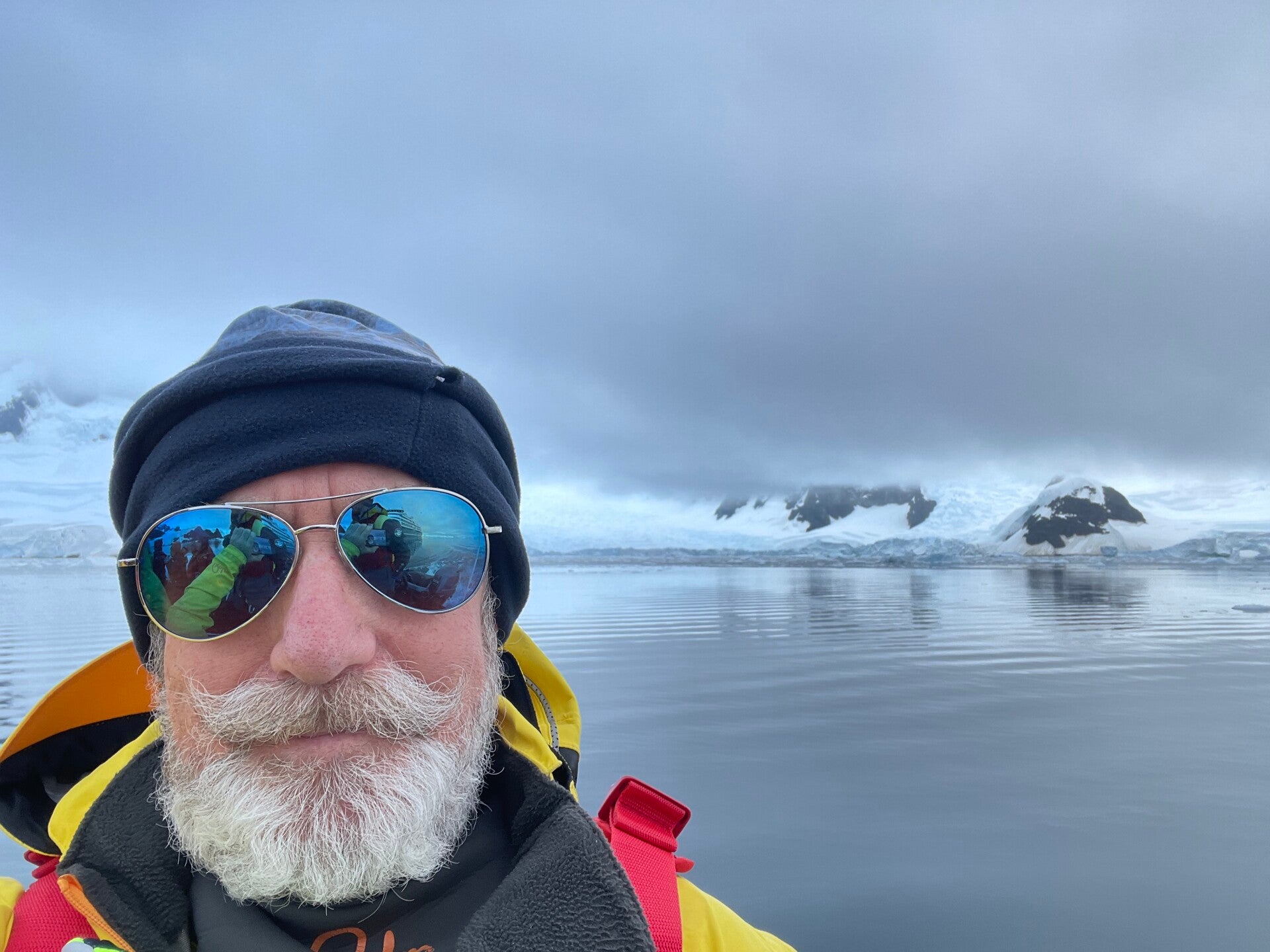
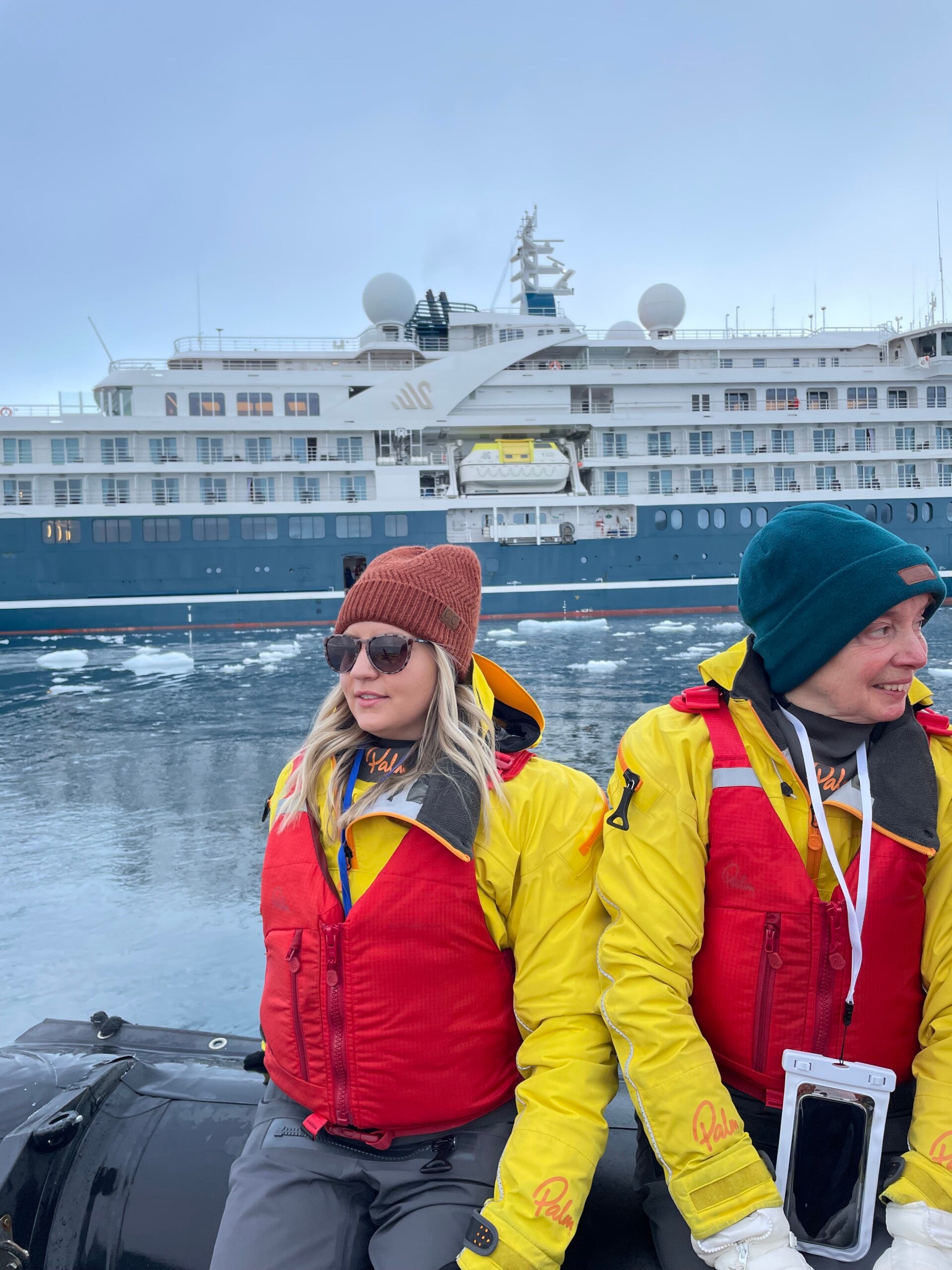
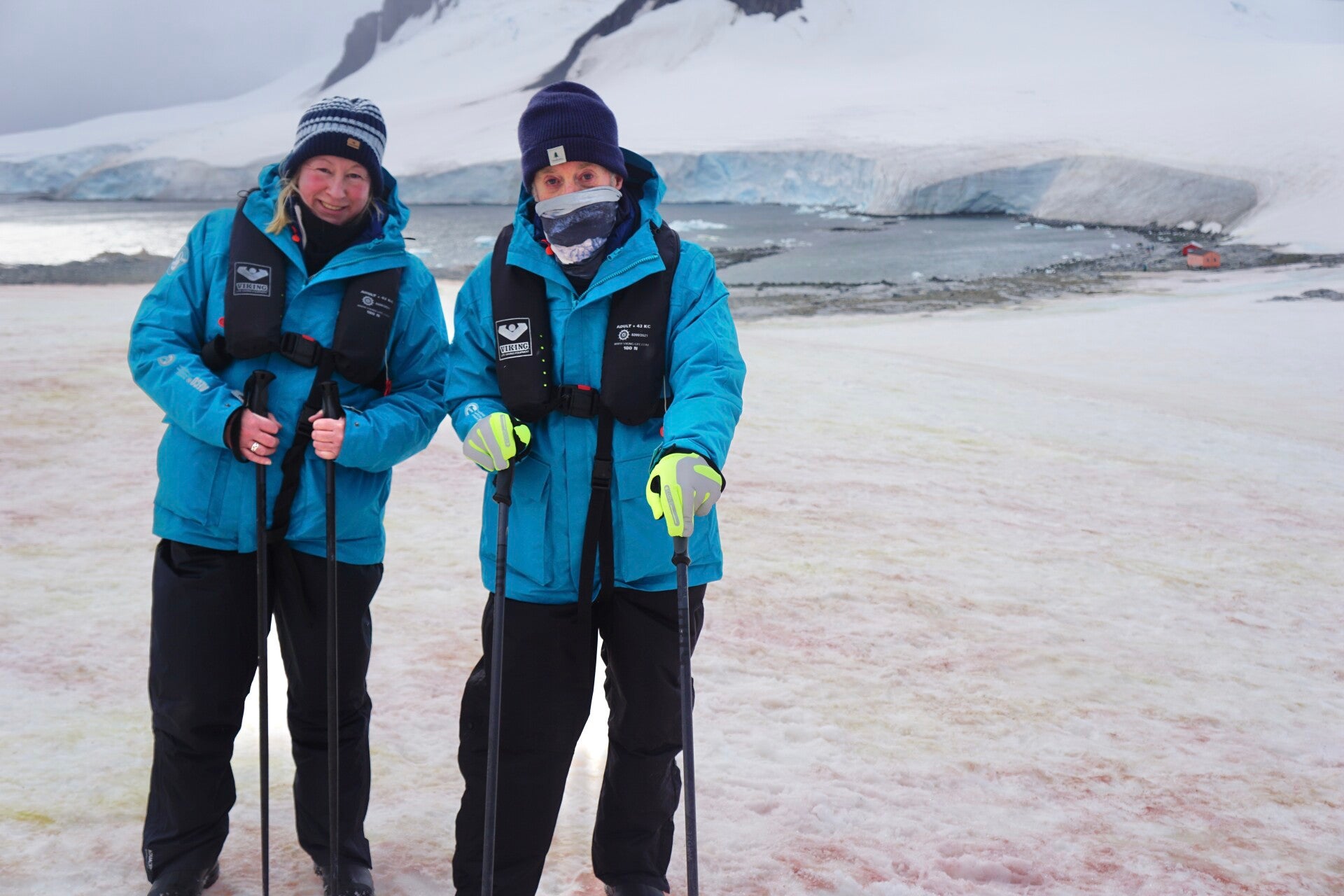
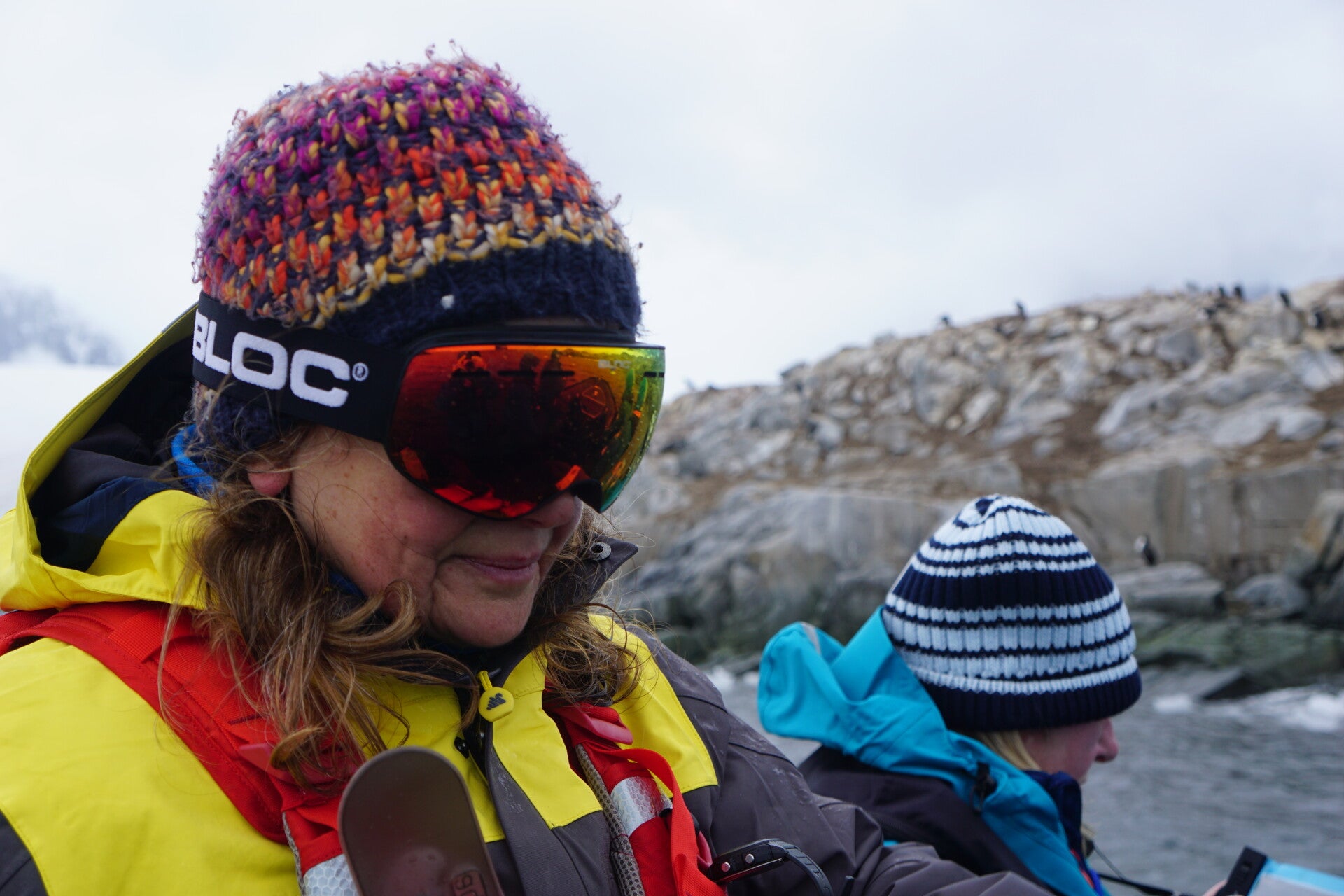
So, here we are, in the Weddell Sea meandering round the many islands of the Antarctica Peninsula. Swan Hellenic supplies all the outerwear one needs to enjoy what is ahead of us. Here is today's model. 

Holidaying solo can be a bit of a challenge but there are plenty of good people onboard who it is a pleasure to engage with. 

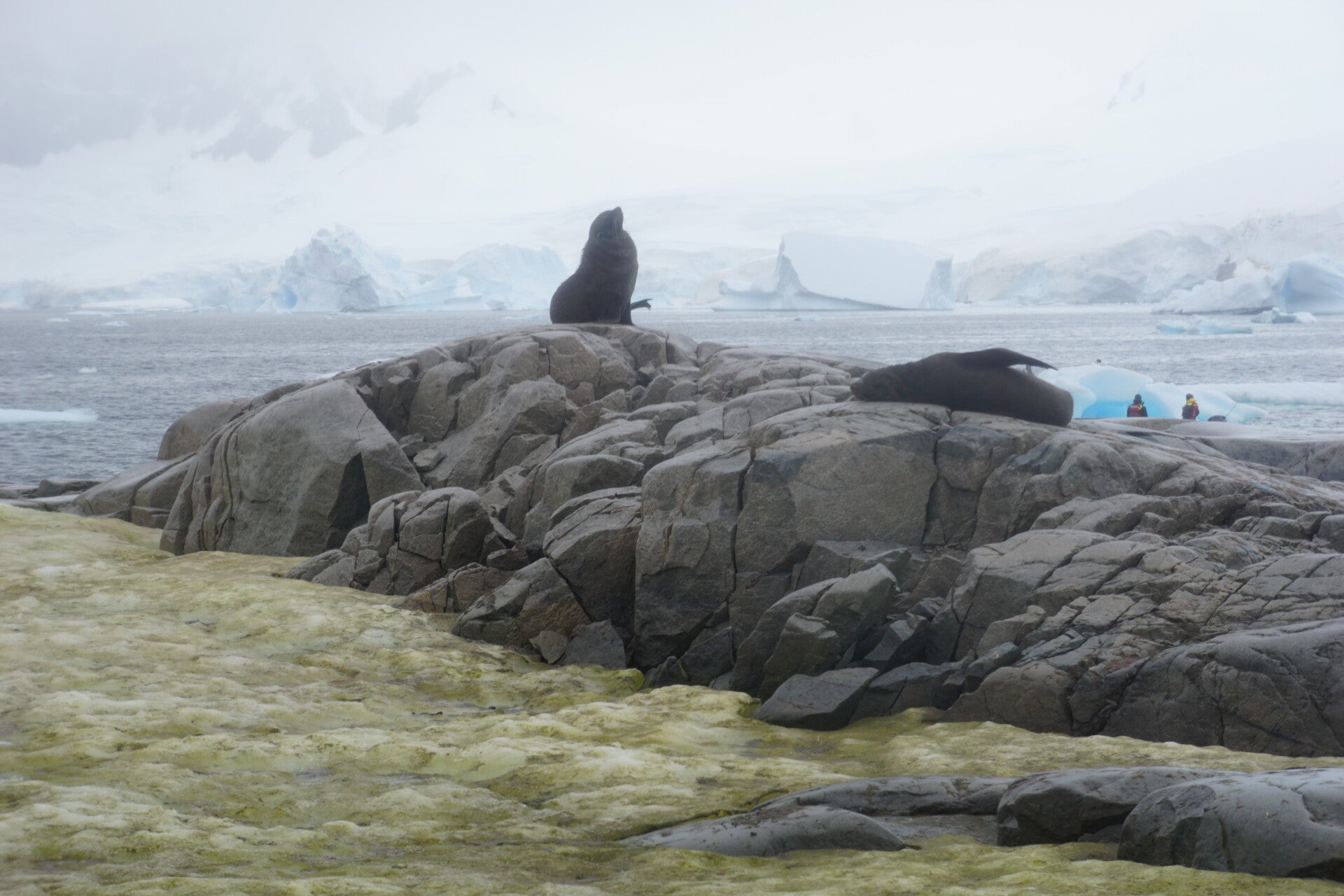
On Day 1 we were lucky enough to see Humpback Whales, Fur Seals, Arctic (yes Arctic) Terns, Skuas and Giant Petrels.

In the afternoon, I had been scheduled to try my hand at Antarctica Sea Kayaking  but the ship had moved to another location over lunchtime and the swell had risen to a level that was not deemed safe for inexperienced and some elderly paddlers such as myself. As I write we have been rescheduled for 08:30 tomorrow. Early breakfast please!

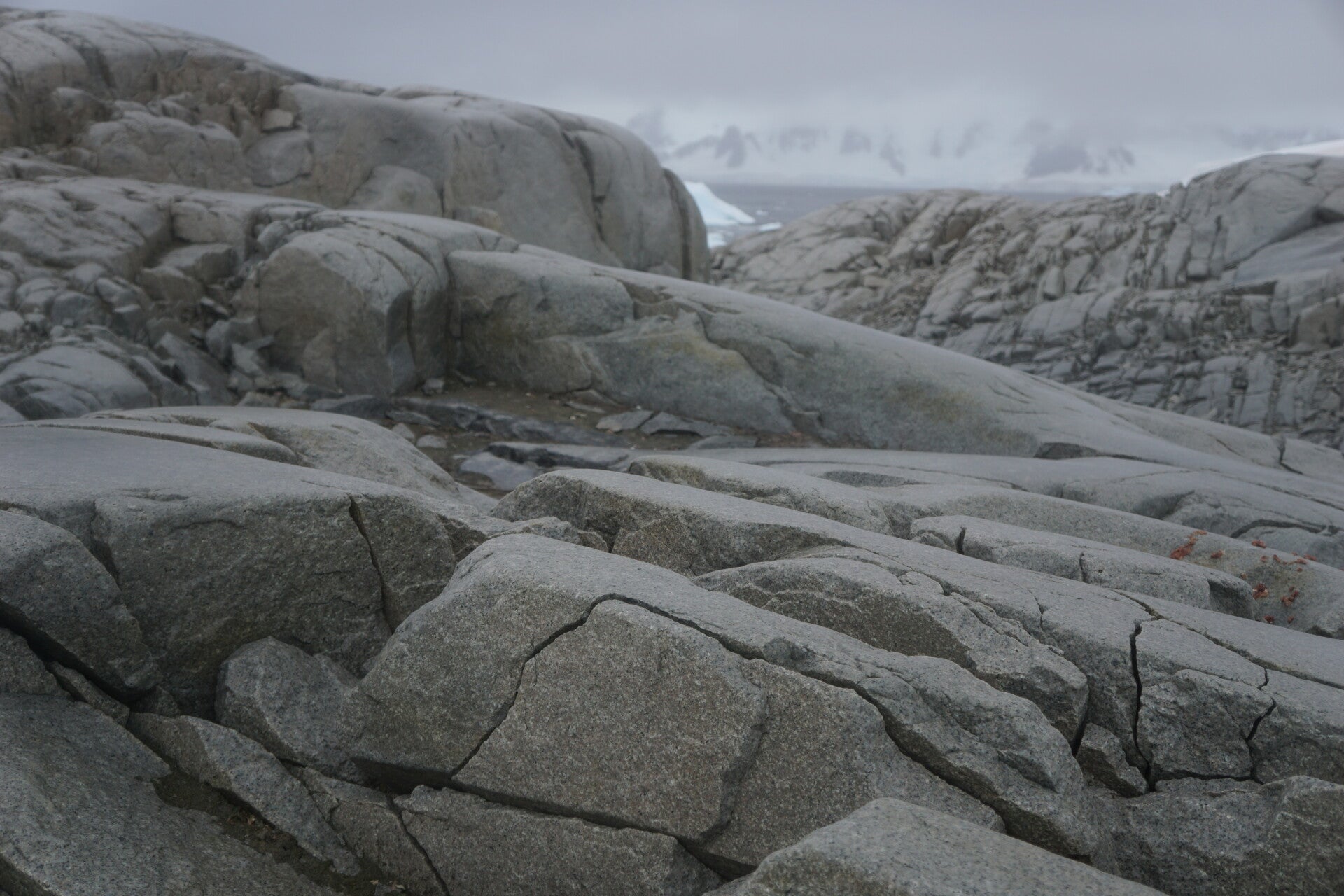
Anyway, we're rejoined the main group for our first landing on the Southern Continent. We zipped across from the Vega to a rocky cove but ice free cove and were assisted in disembarking safely into shallow water. The MUCK boots we'd been issued with really worked! We then picked up pre-position walking poles and climbed the snowy hill to survey the quite surreal scene. 

And then, after what had seemed like a perfect day, I was back in my cabin wrapped in my white towelling bathrobe when I glanced up and saw this extraordinary sight out of the window. I grabbed my iPad and got 30 sec of video but can only post a still here. What an end to an amazing day!

At dinner that evening with an Australian couple, I invited them to join me in a toast to Vivienne. 26 February was the third anniversary of her death. Vivienne would never have embarked on this trip, even in her healthy days, as she was no sailor! But she gave me clear licence to "live your life after I'm gone". I love you Viv. 

27 February    Man the Kayaks!

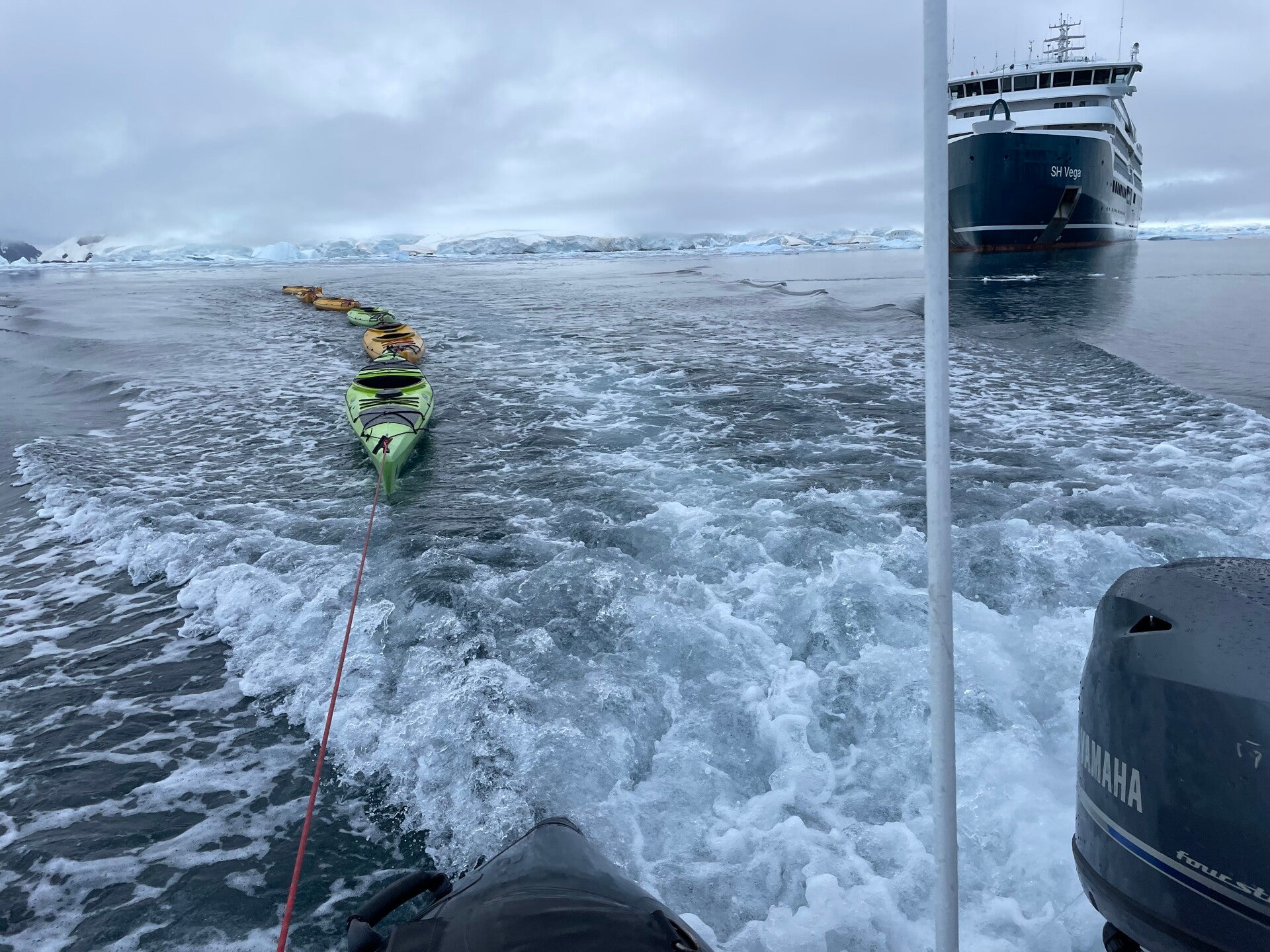
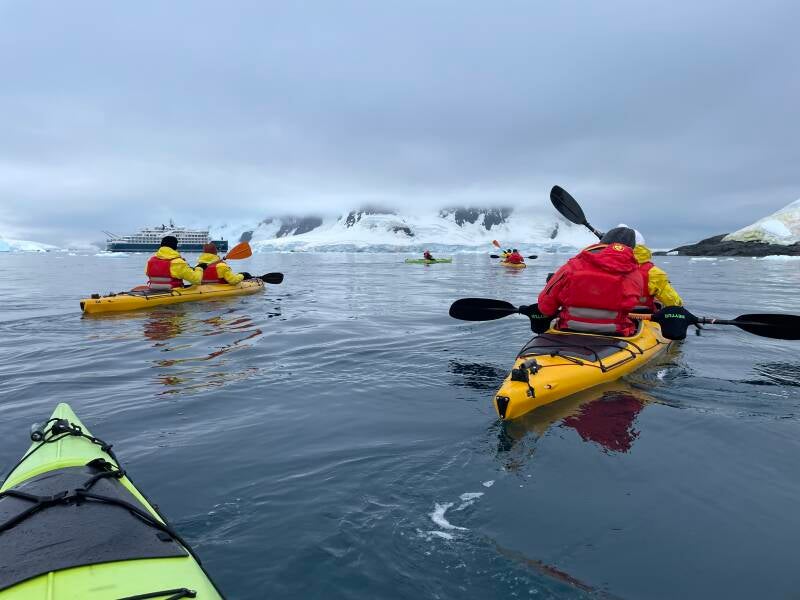
It was such a stroke of luck that my kayaking expedition was cancelled yesterday, when it was raining and windy. Today was the opposite; calm, dry and much bright brighter.  In the British summer, Alison, the kayak leader, runs a sea kayak school in Pelockton on the west coast of Scotland but for the last three years she has come south to work for Swan Hellenic on board the Vega. We were kitted out in dry suits and special flotation aids in case of capsize and were ferried away from the ship in a Zodiac towing our little flotilla of kayaks. Alison had briefed us carefully on the process of getting from Zodiac to kayak and everyone achieved this manoeuvre with varying degrees of elegance. 

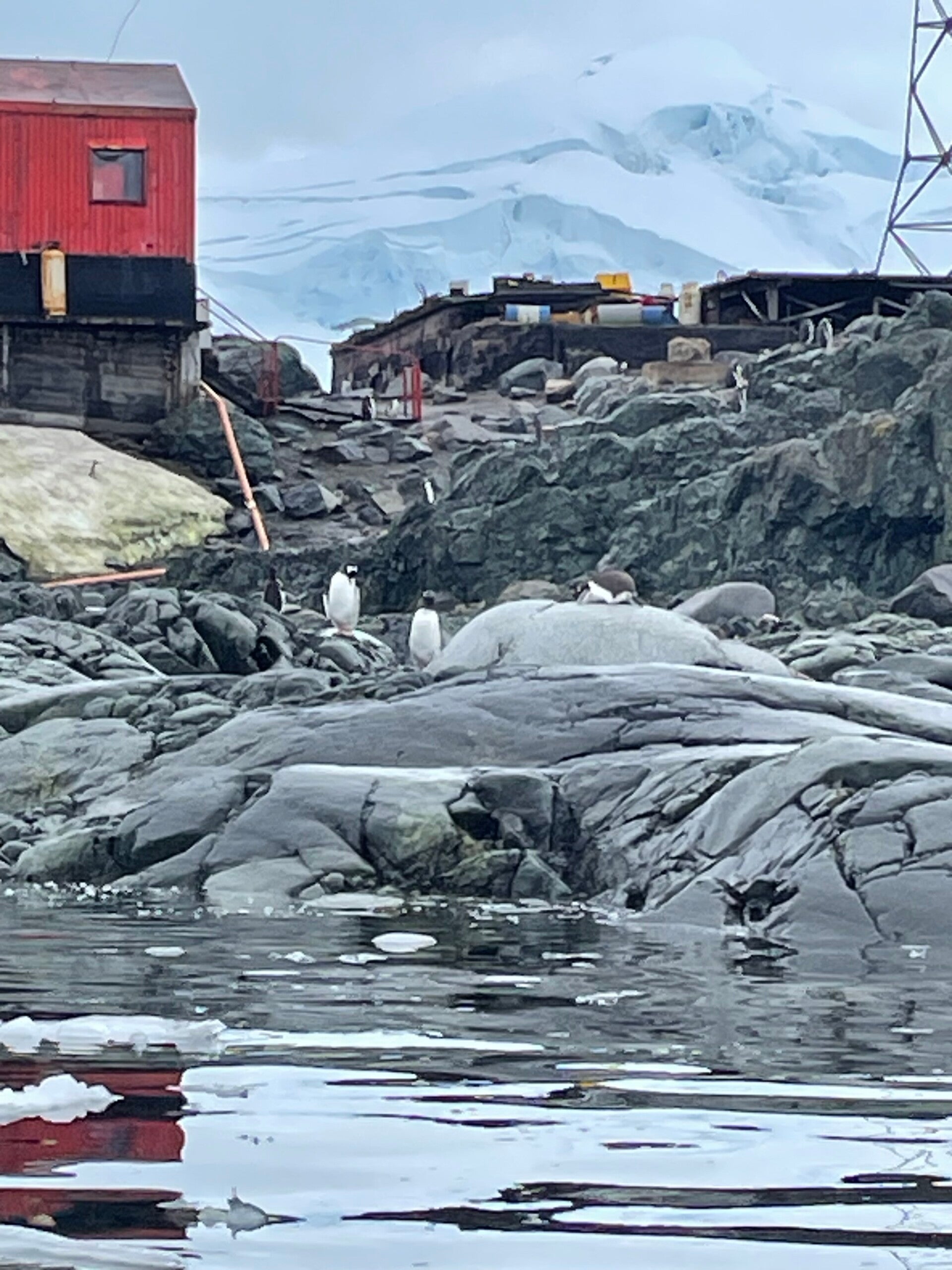
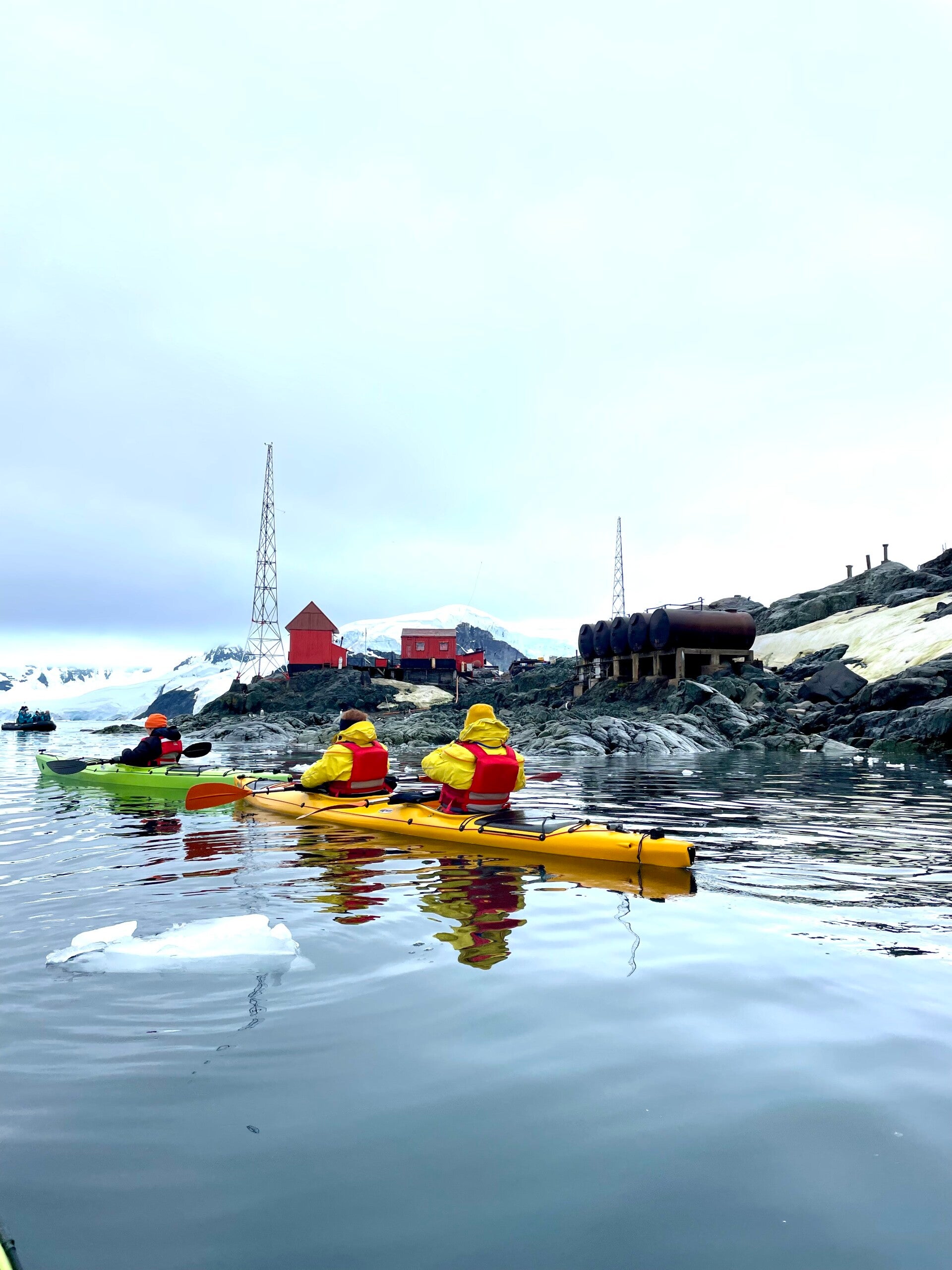
This was Base Brown, an Argentinian research station and also home to a colony of Gentoo penguins. Both sets of occupants stared at us as we paddled by but the humans hailed us and said they needed fresh water. Alison was able to radio the ship and arranged for the Argentinians to send two of their own Zodiacs carrying water tanks to the Vega, where they were replenished. It was nice to see the cruise ship industry being able to help the research community in this way. Base Brown definitely did not have much appeal about it for long term occupation!


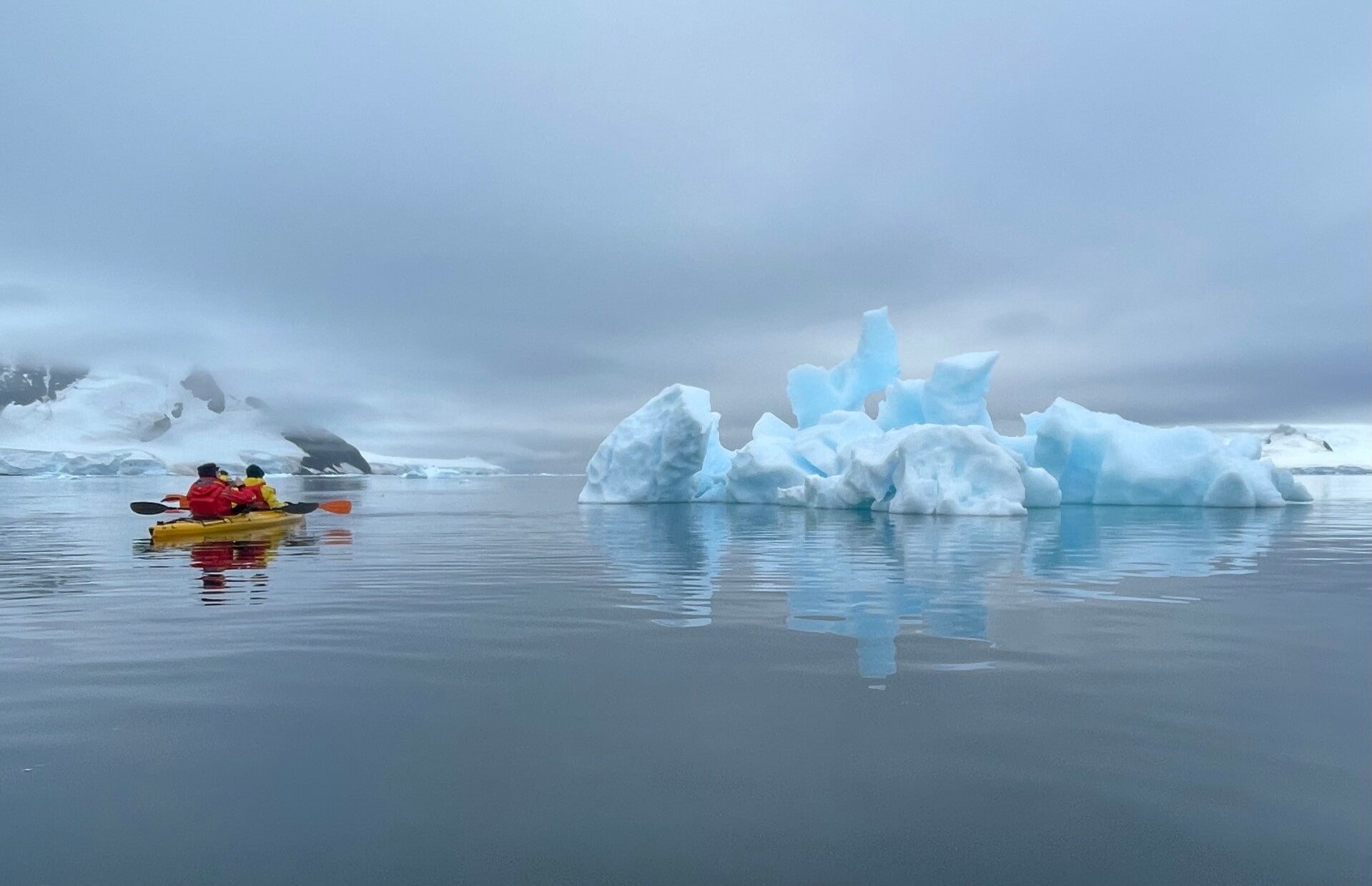
All too soon, however, it was time to exit the kayaks and roll elegantly back into our Zodiac that had been shadowing us throughout and head back to the Vega. What a memorable and inspirational experience that was. To be close to the amazing environment and its fauna with no engine noise around was delightful.  BTW, the rather unnatural look of the low cloud in this picture is entirely authentic. Antarctica has meteorological rules all of  its own!

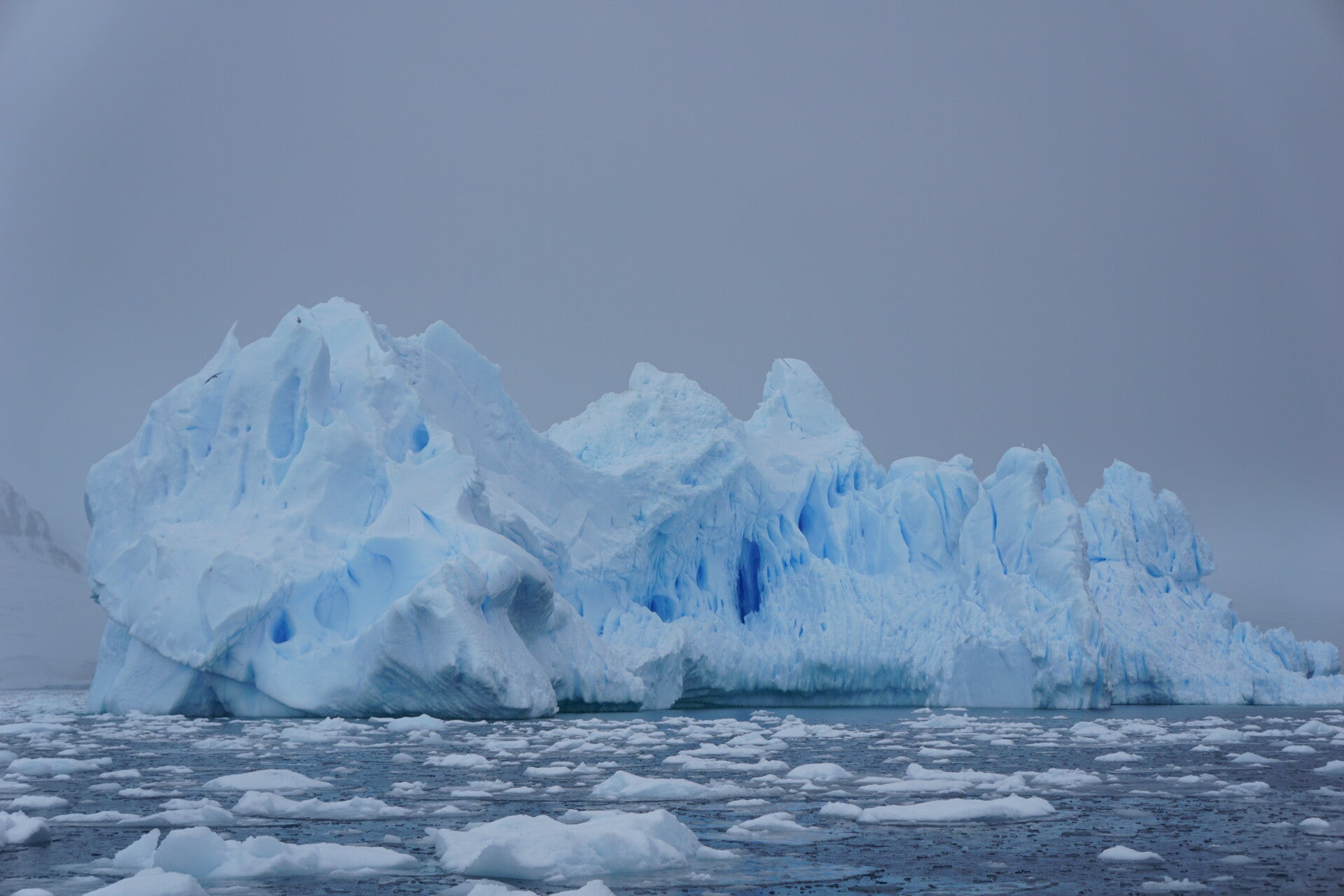
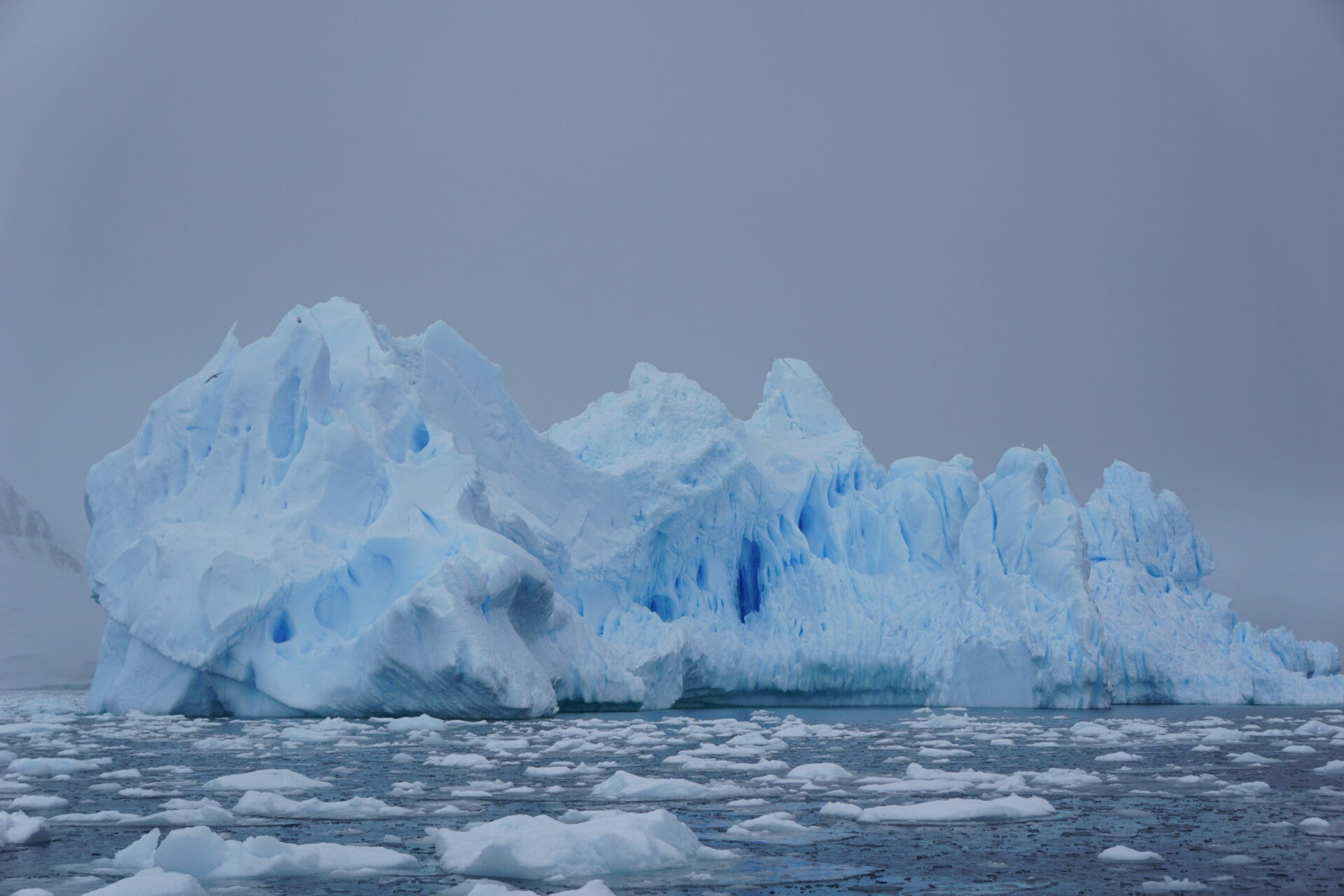
Breaking news!  as I write my blog back in my cabin before lunch, the ship is under way again, repositioning for this afternoon's programme of activities. We just passed an extraordinary iceberg that has clearly, by the formations now above the water, recently overturned. A quick photo was called for. 

I have also seen three Humpback whales feeding together as we cruised slowly passed them.  So serenely beautiful.  Also schools (?) of penguins leaping through and across the water like mini dolphins.   I didn't get those photos!

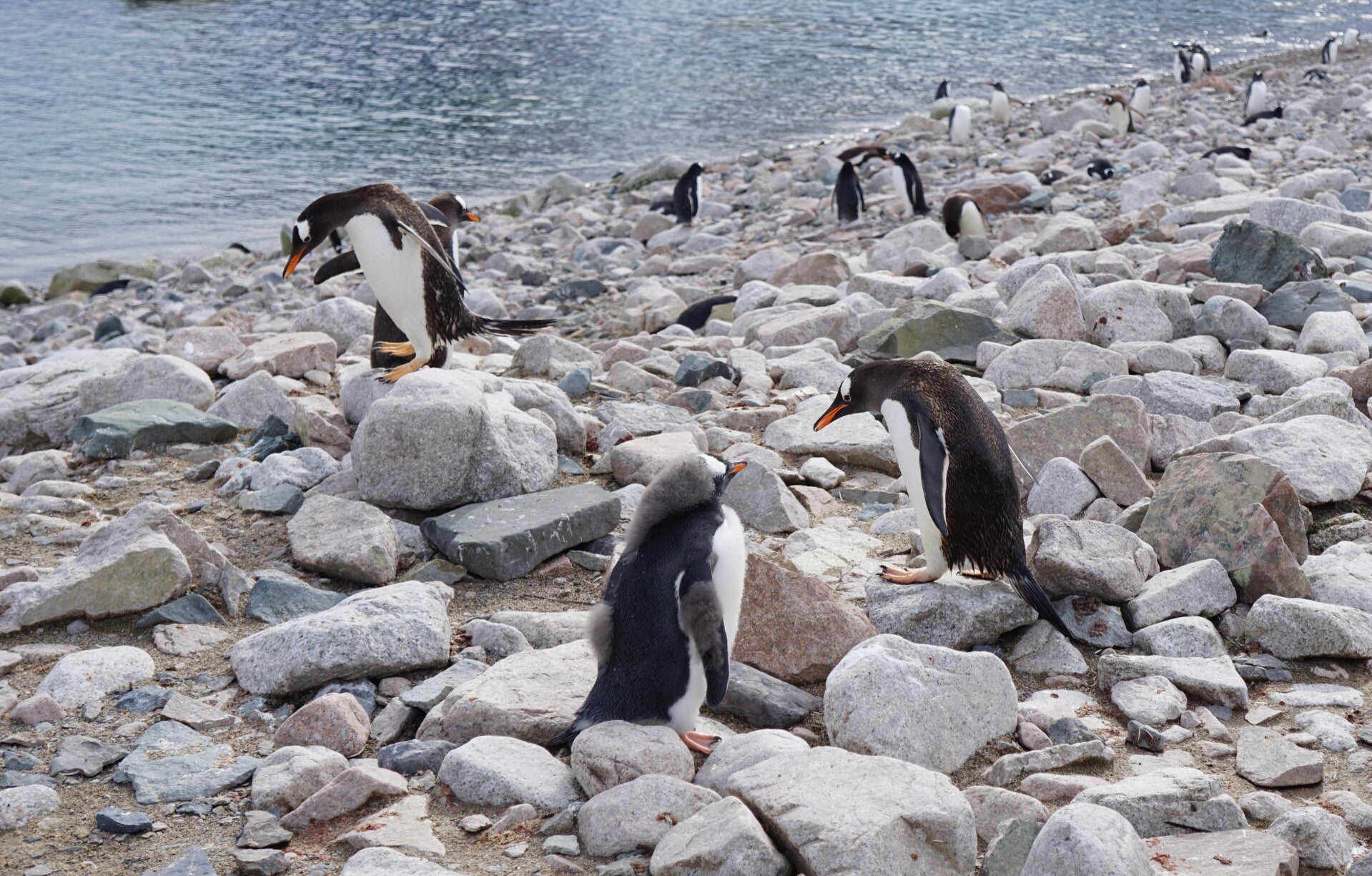
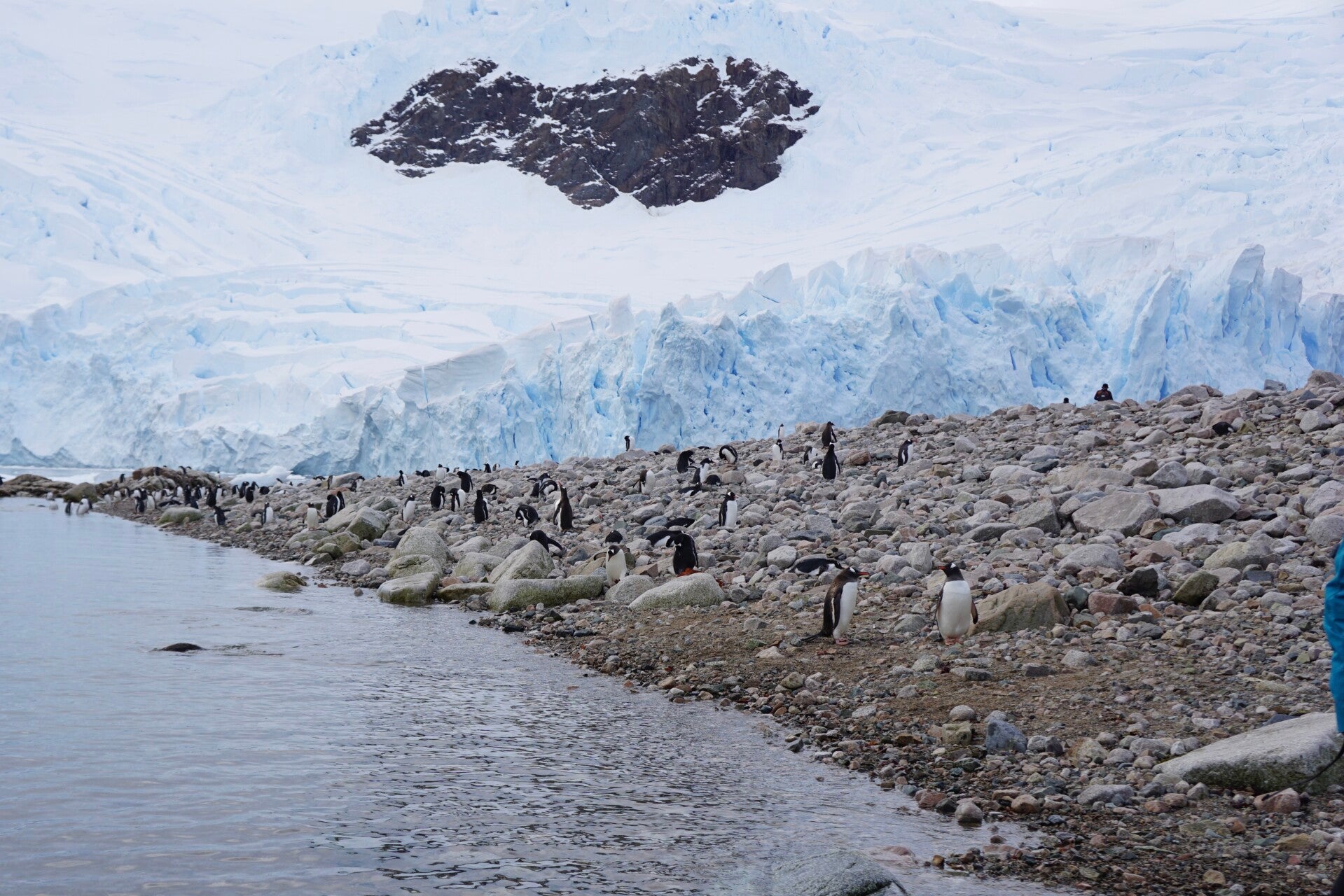
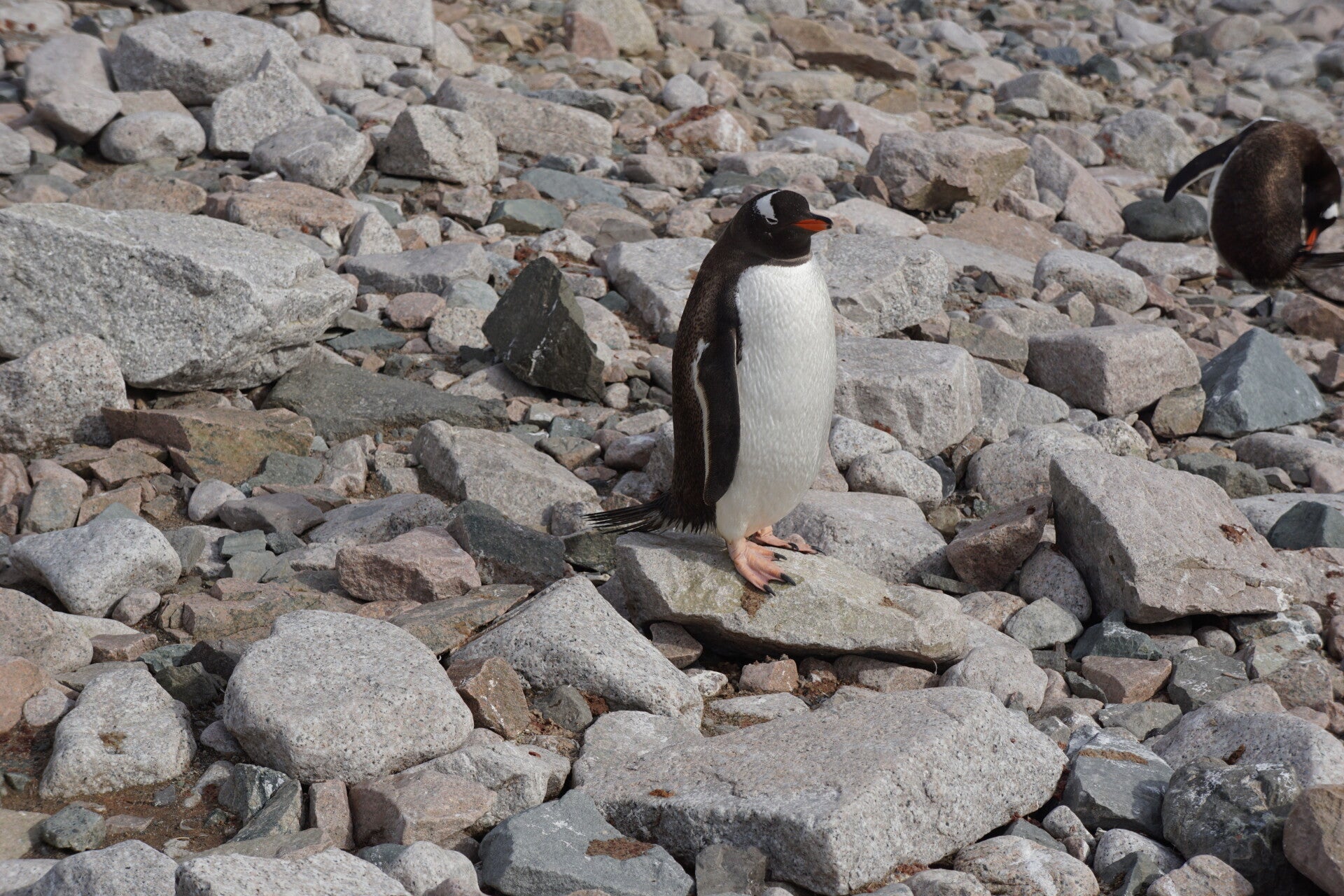
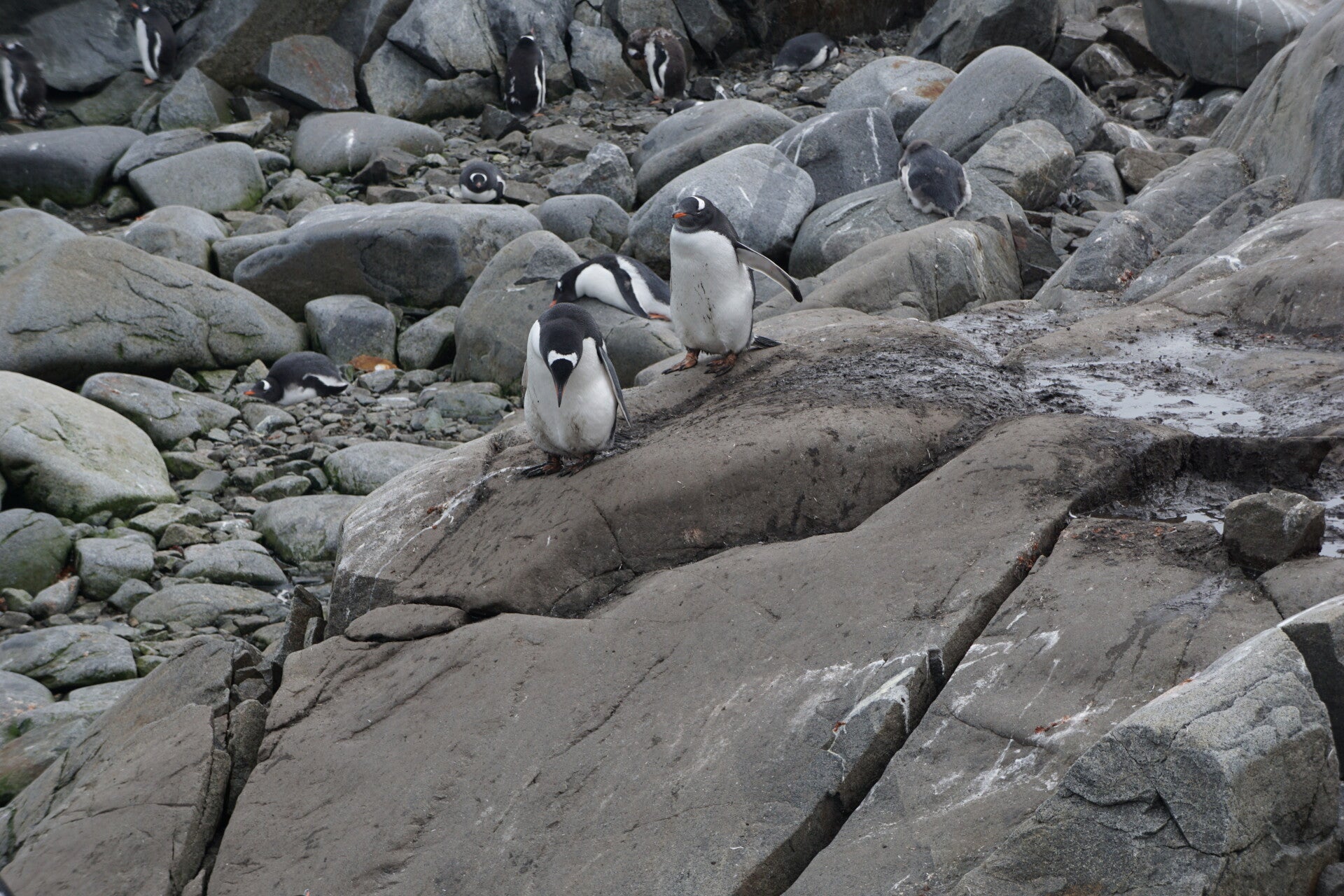
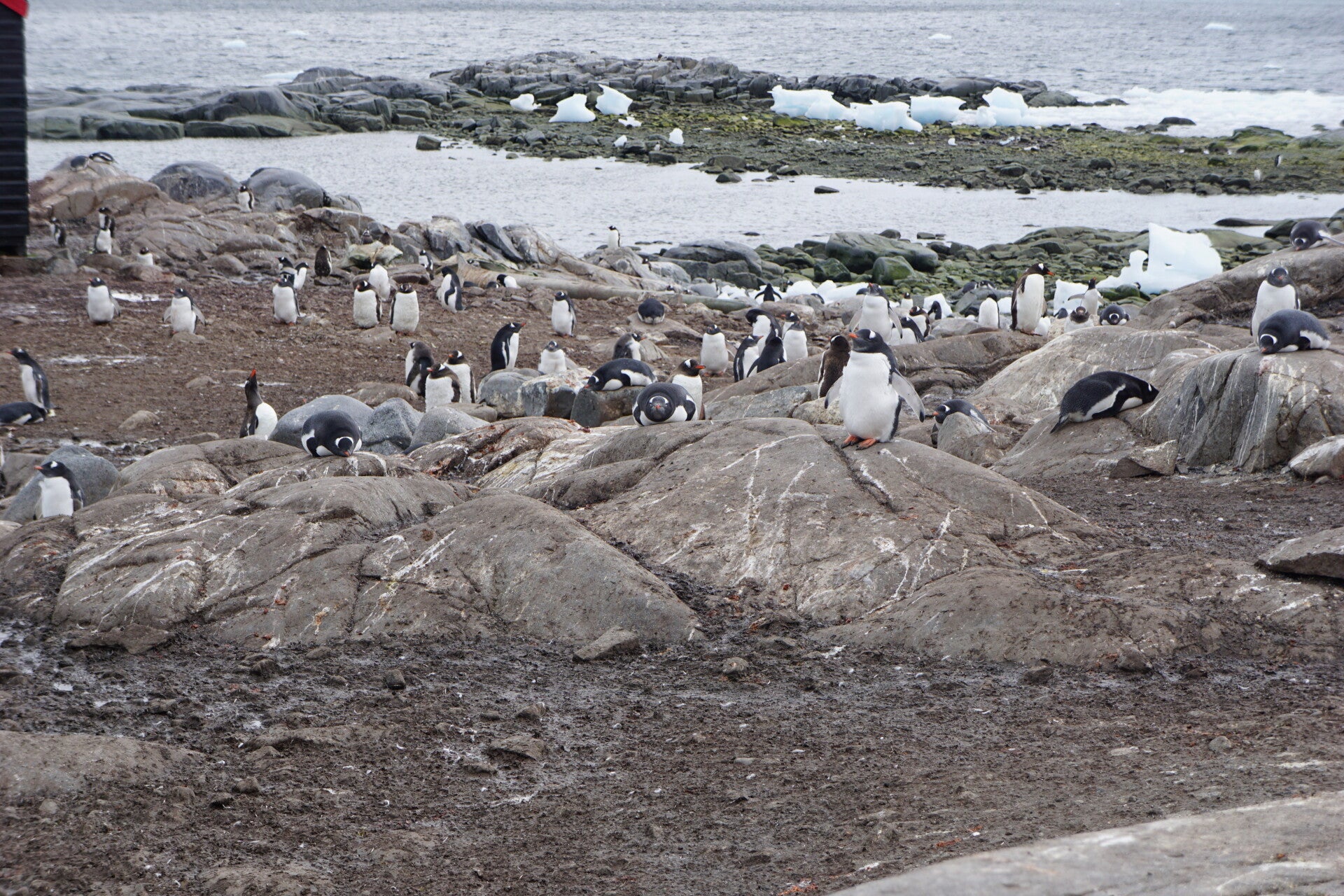
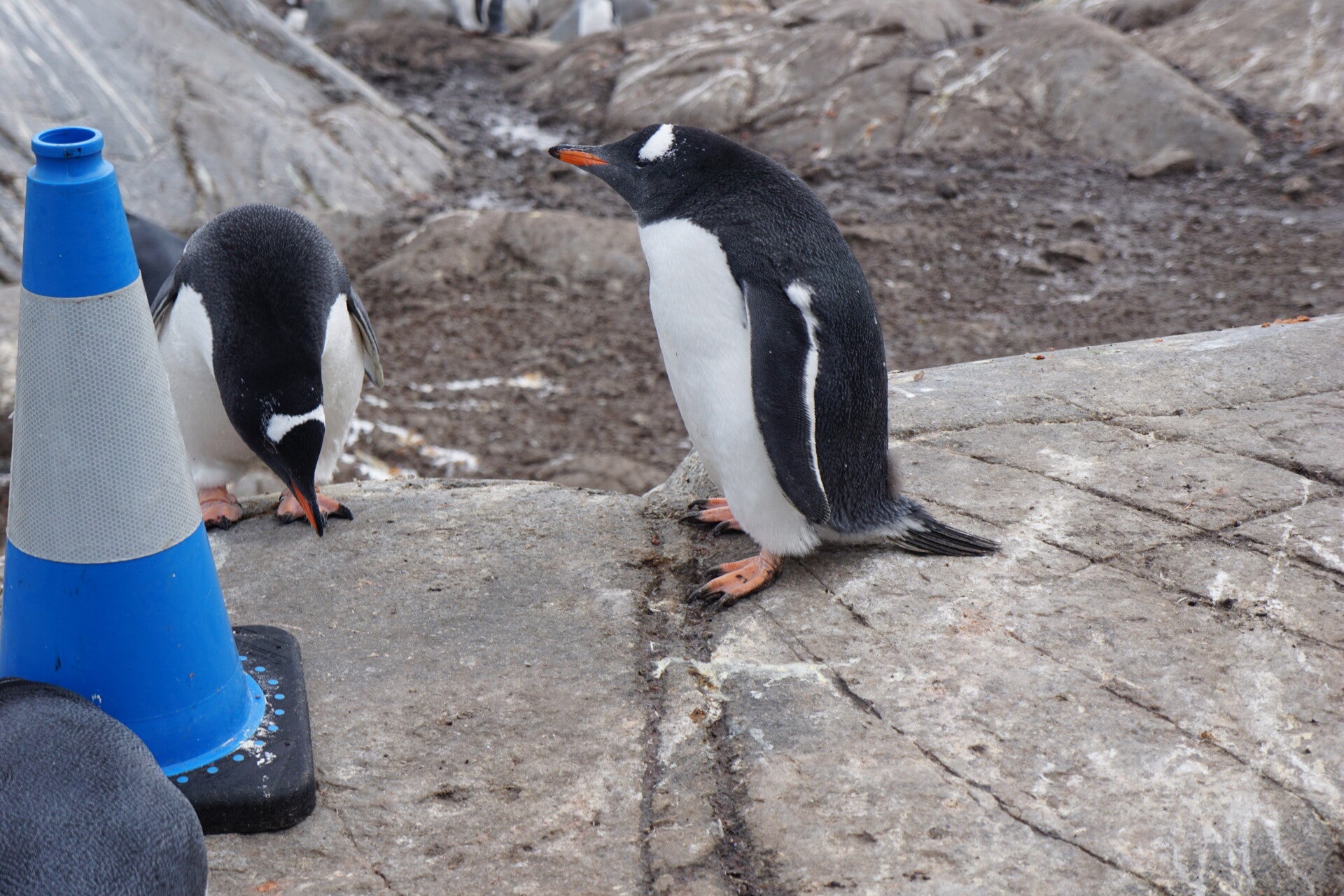
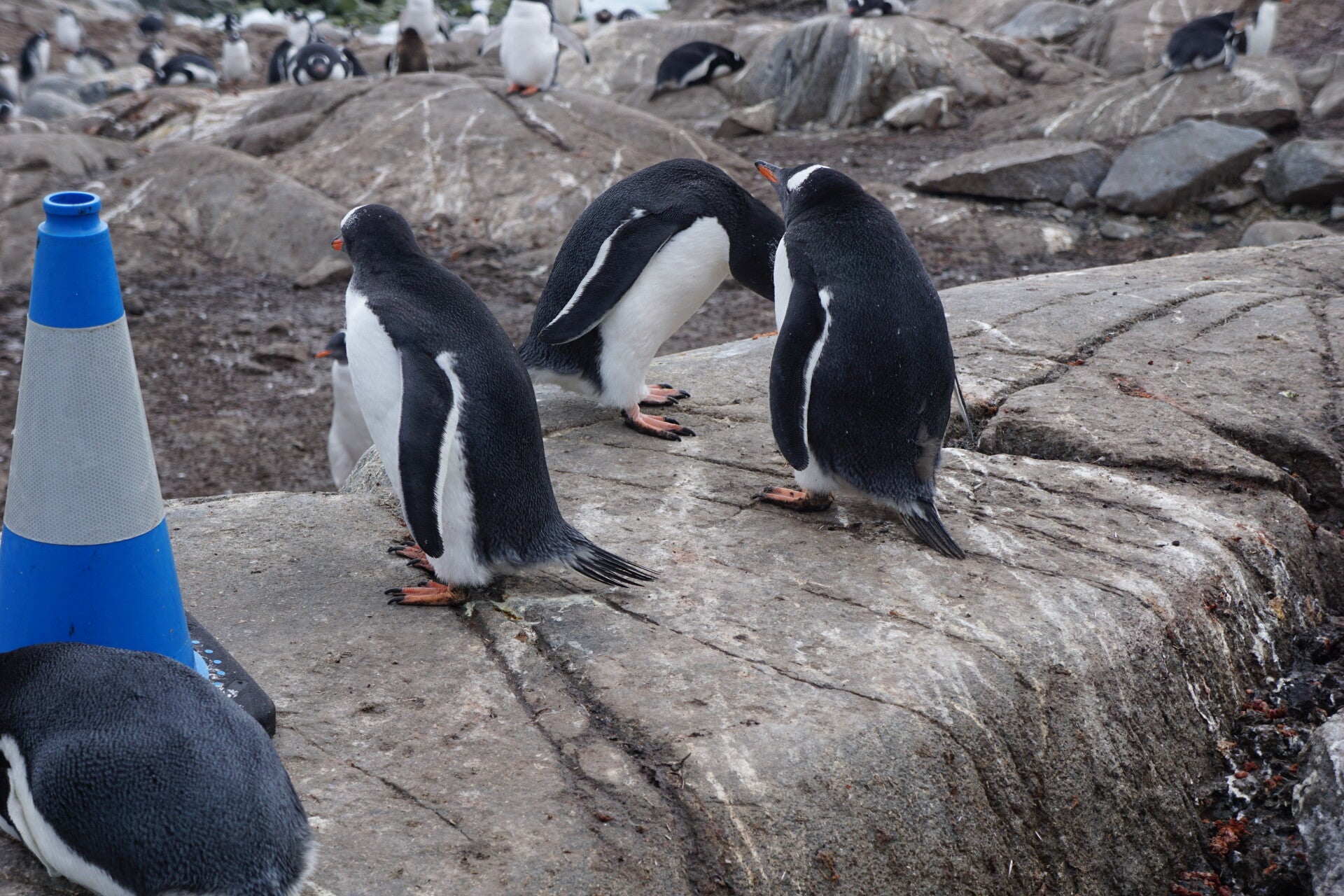
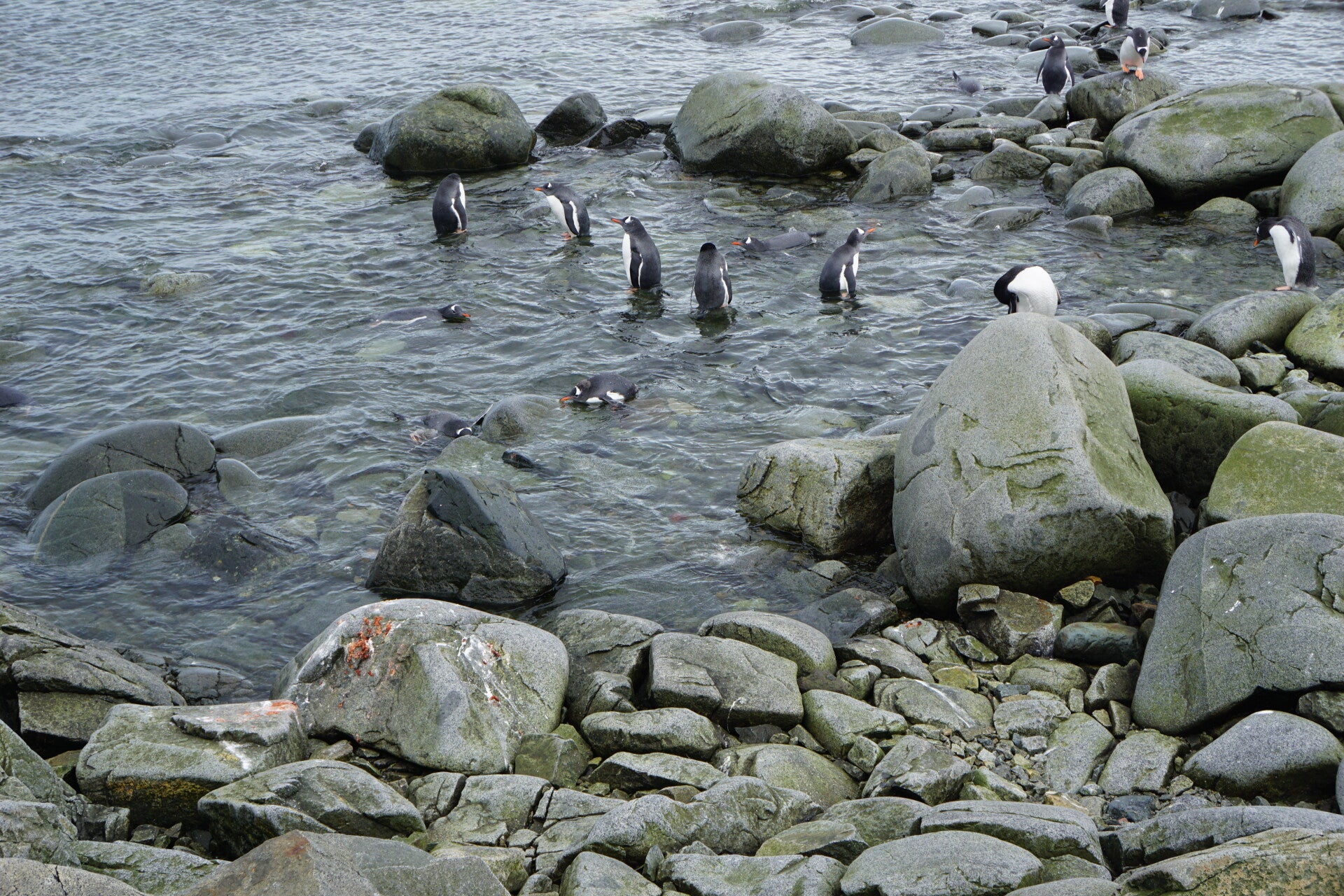
In the afternoon we headed out again in the Zodiacs for just a short ferry to shore, where there was a huge colony of Gentoo Penguins, including many youngsters who were still shedding their puppy fur. They were remarkably inquisitive and we had to take care to keep outside the 5m approach limit that Antarctica rules require.  Fortuitously, the weather continued to improve with blue skies emerging that allowed us to appreciate, for the first time, the altitude of the continental plateau.


The Gentoos were not afraid of the human invaders but the rules do not landing any foodstuffs to Antarctica so they don't get fed by the tourists.

But this wasnot to be the end of a lovely, if slightly challenging day! Read on......

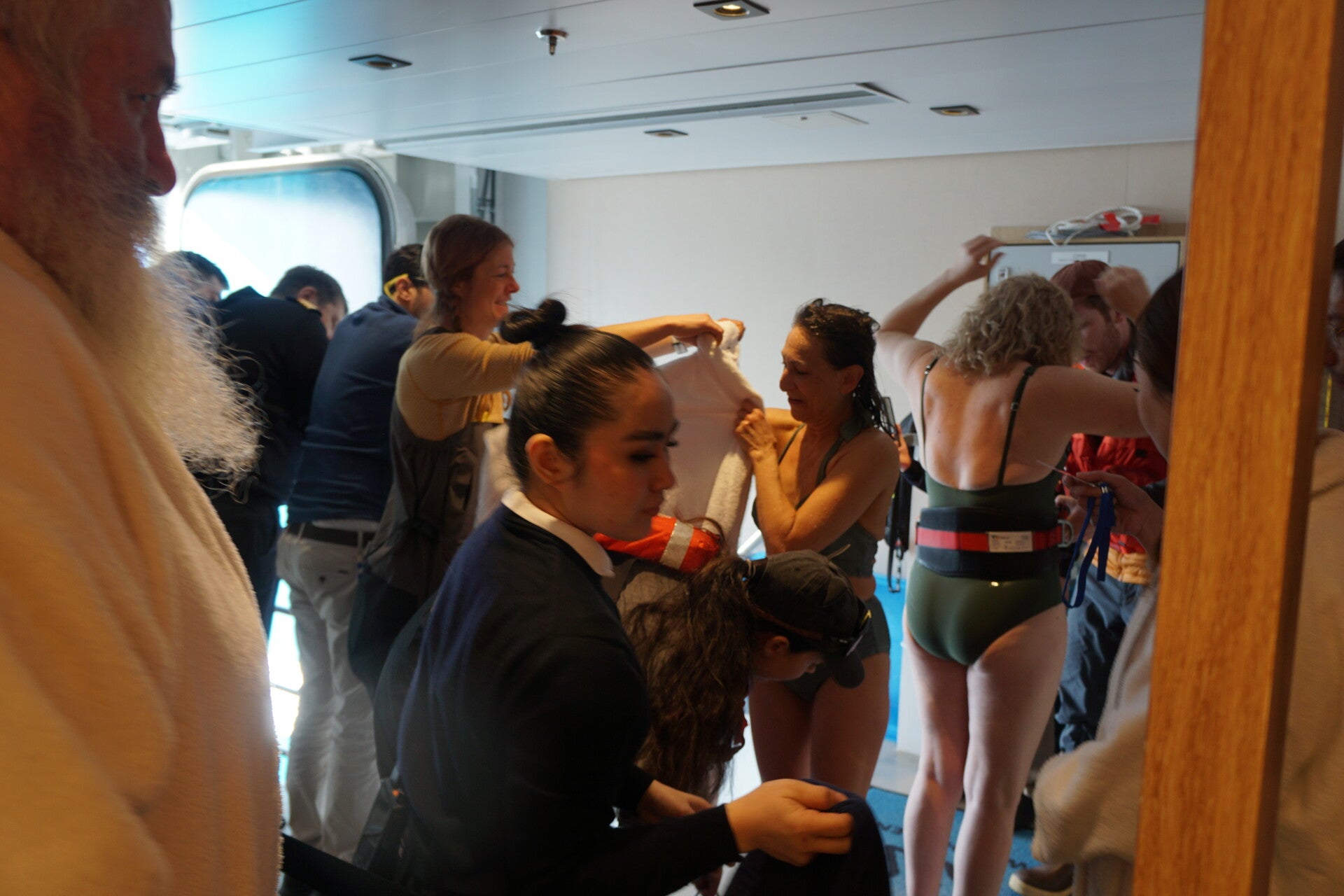
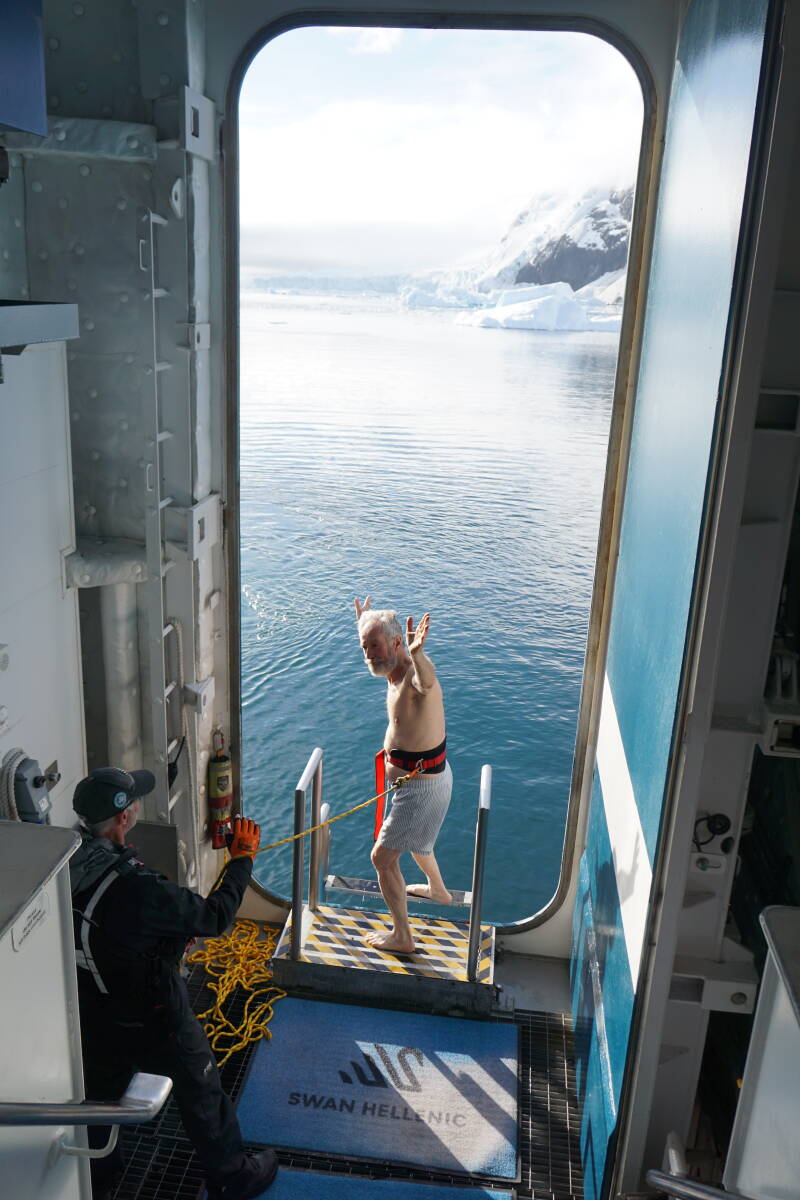
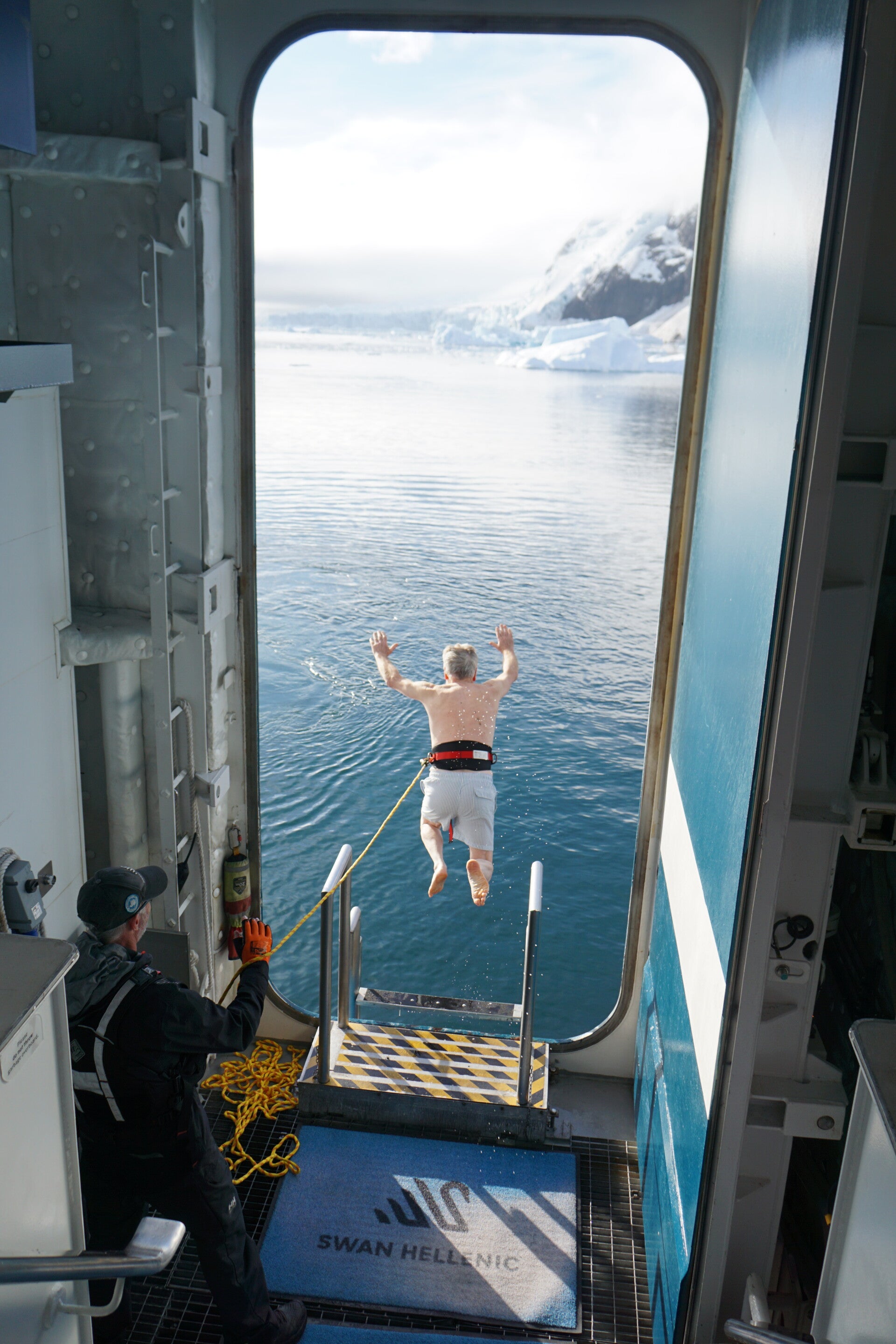
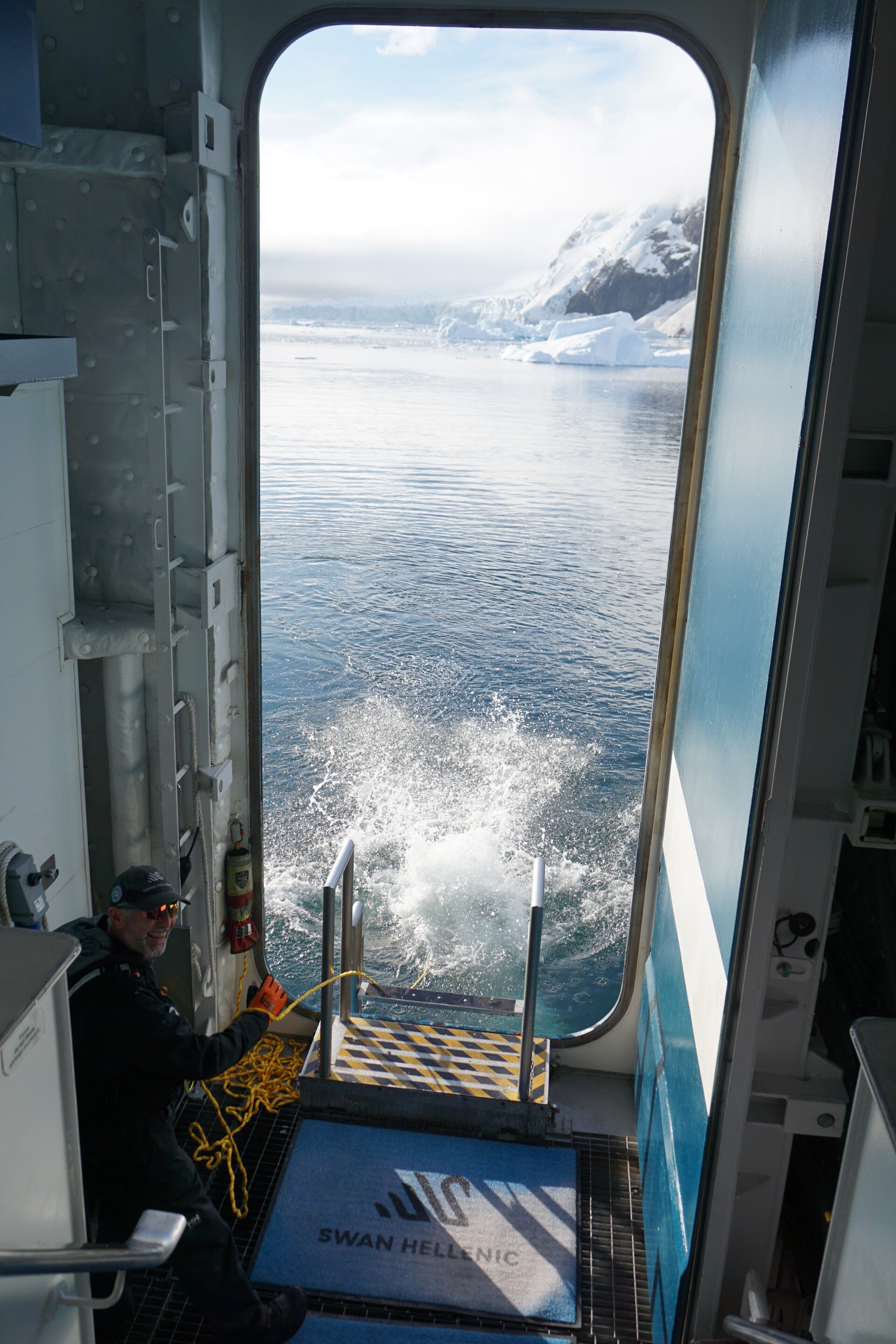
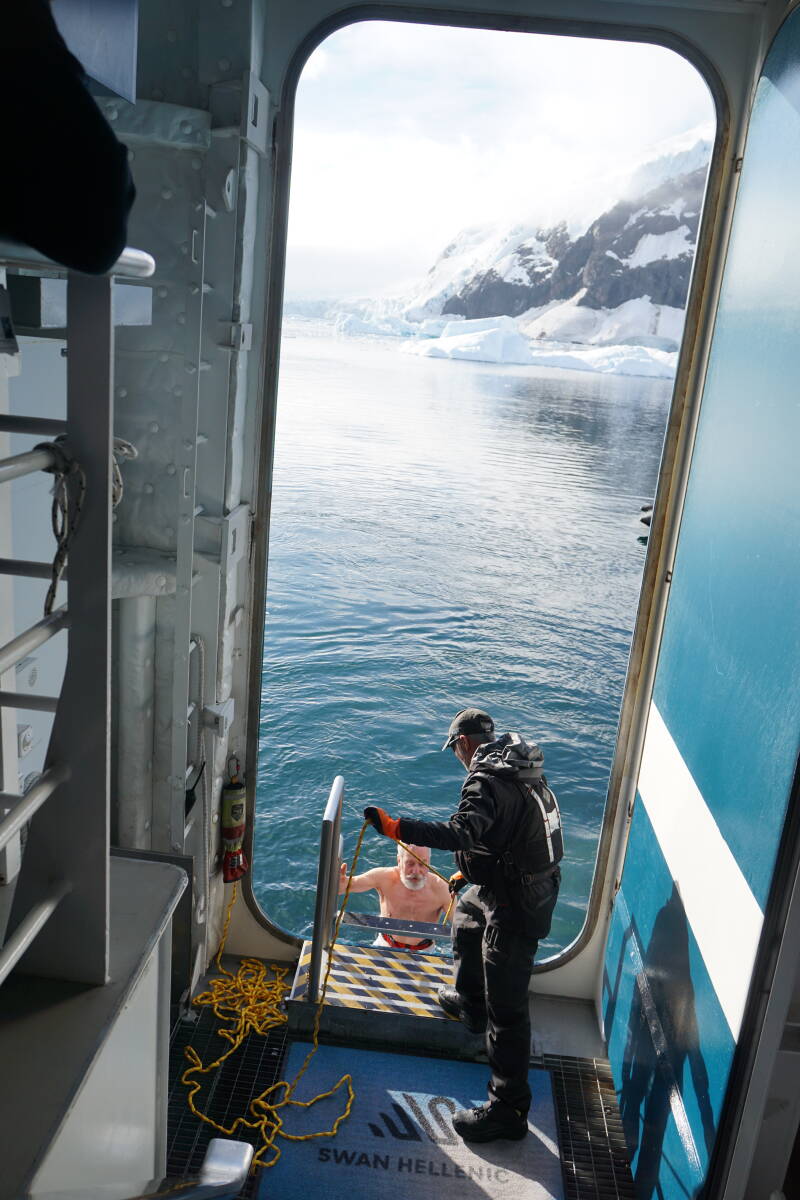
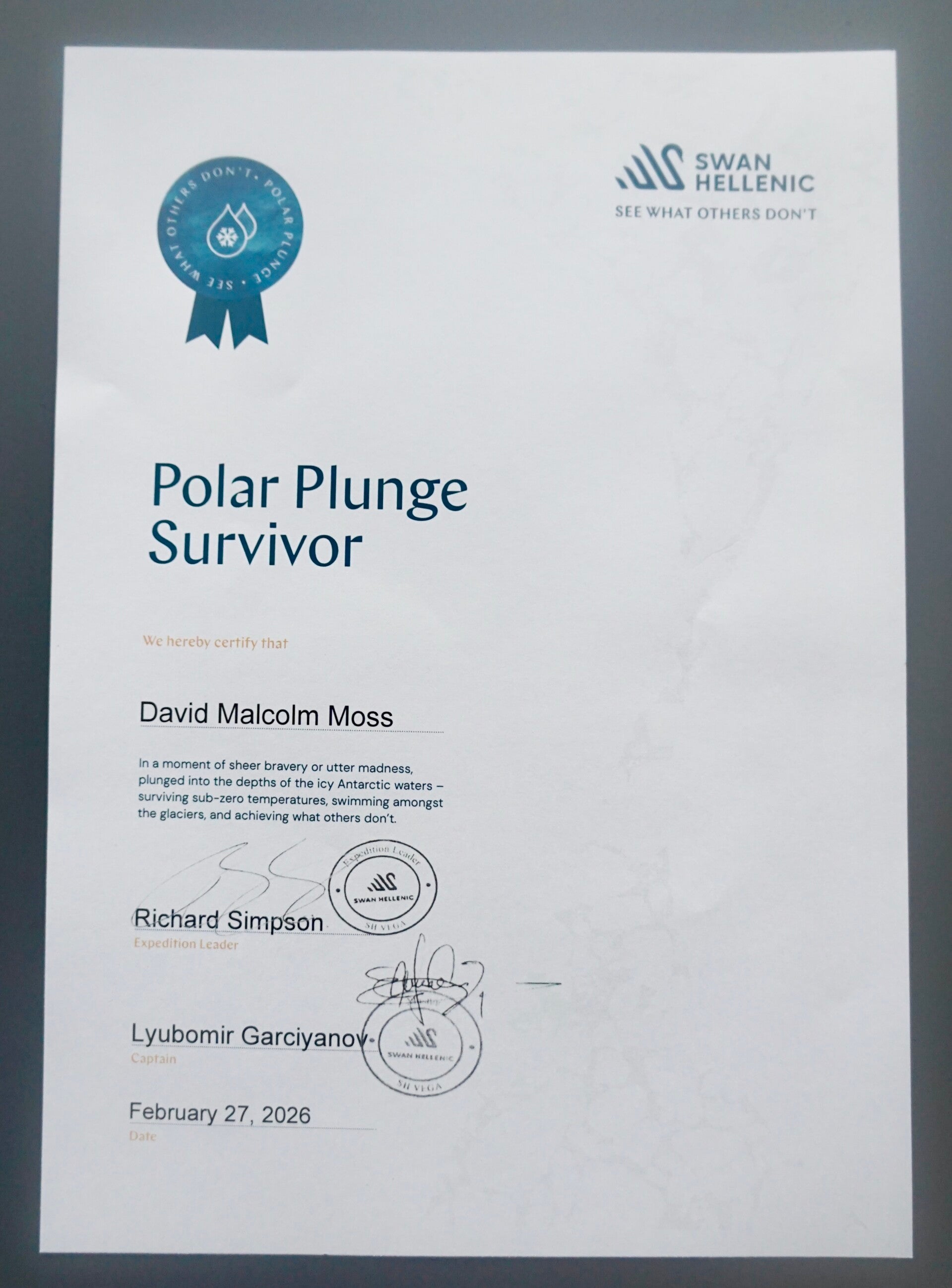
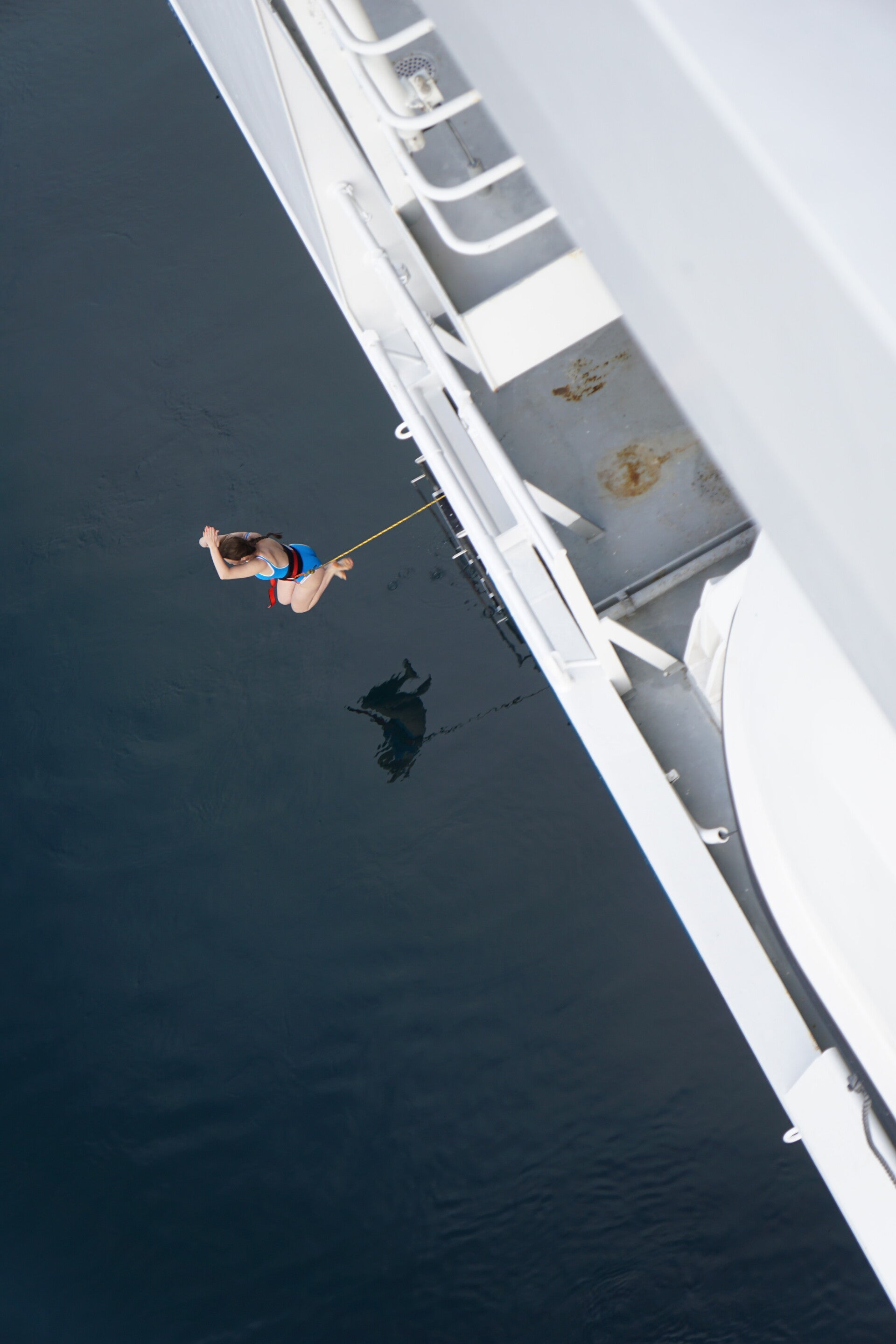
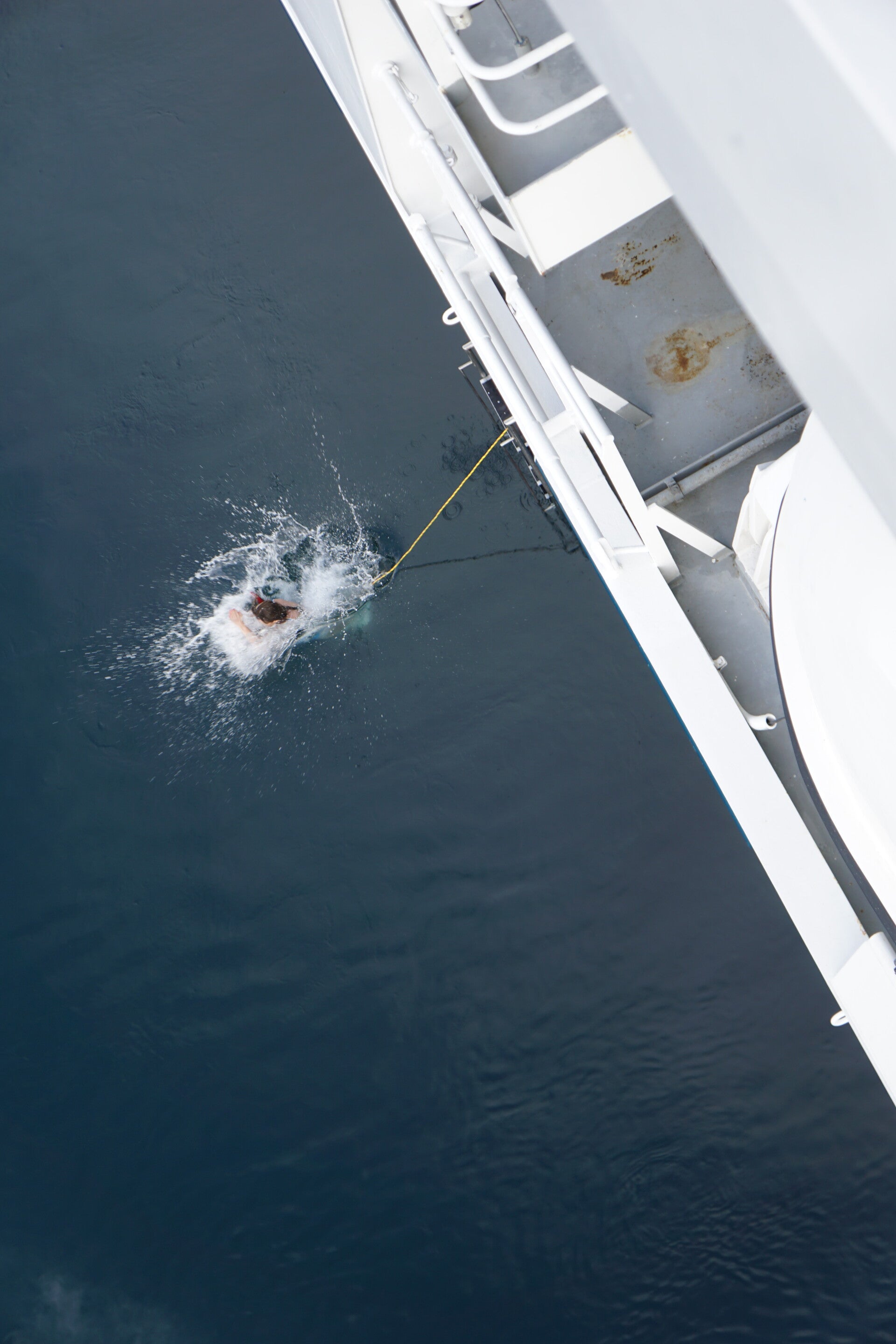
Friday evening.  There is apparently, a new tradition within Antarctic tourism industry, of a Polar Plunge.  It's entirely voluntary but as a challenge, it was up there so I had to have a go, if only to take down the young Russian studs who were blustering about it.


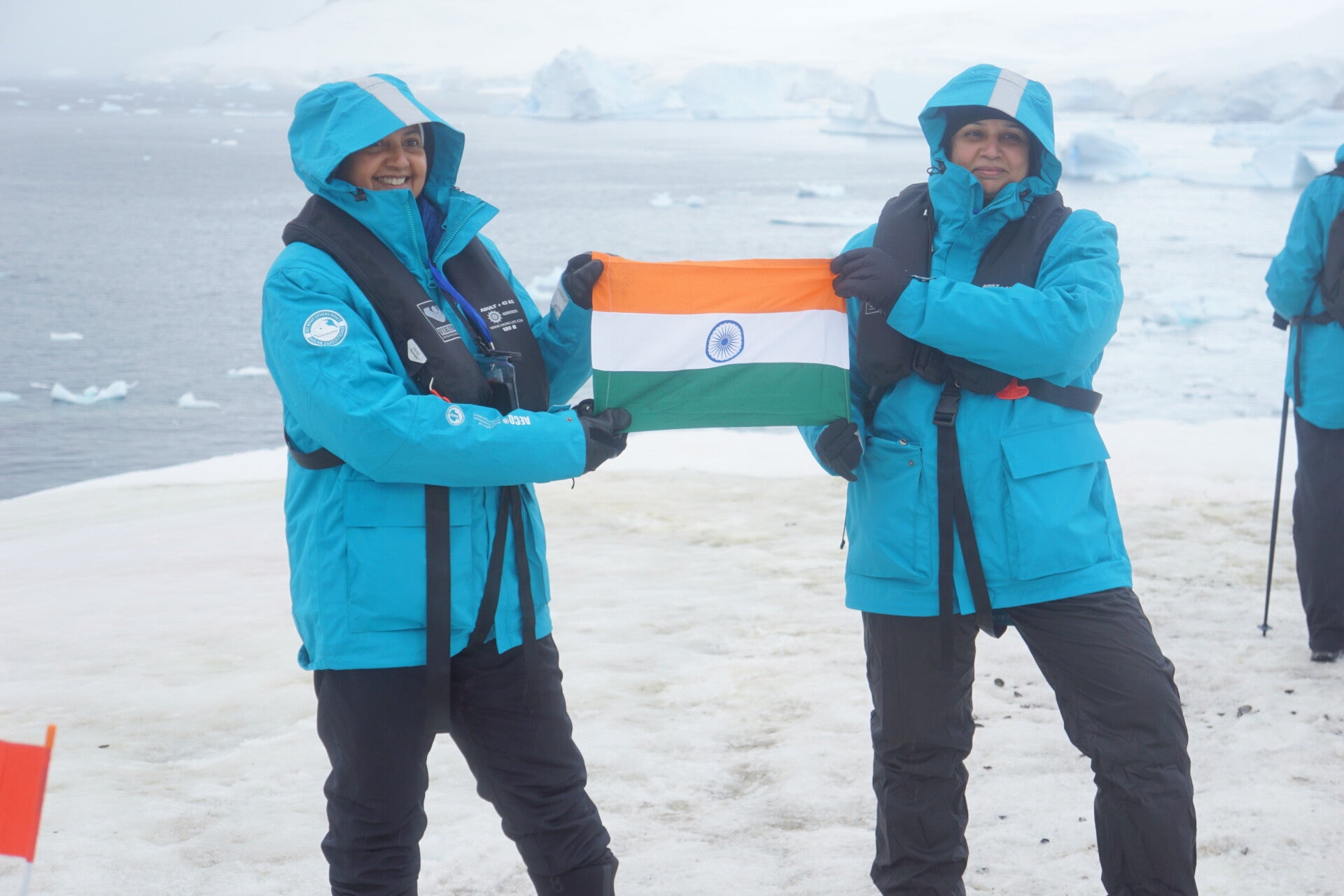
It had to be done, to fly the flag! It turned out that 66 of the 150 passengers on board took the Polar Plunge! It certainly wasn't only the chaps that did it. 

It had to be done, to fly the flag! It turned out that 66 of the 150 passengers on board took the Polar Plunge and certainly wasn't only the chaps who did it. 

28 February

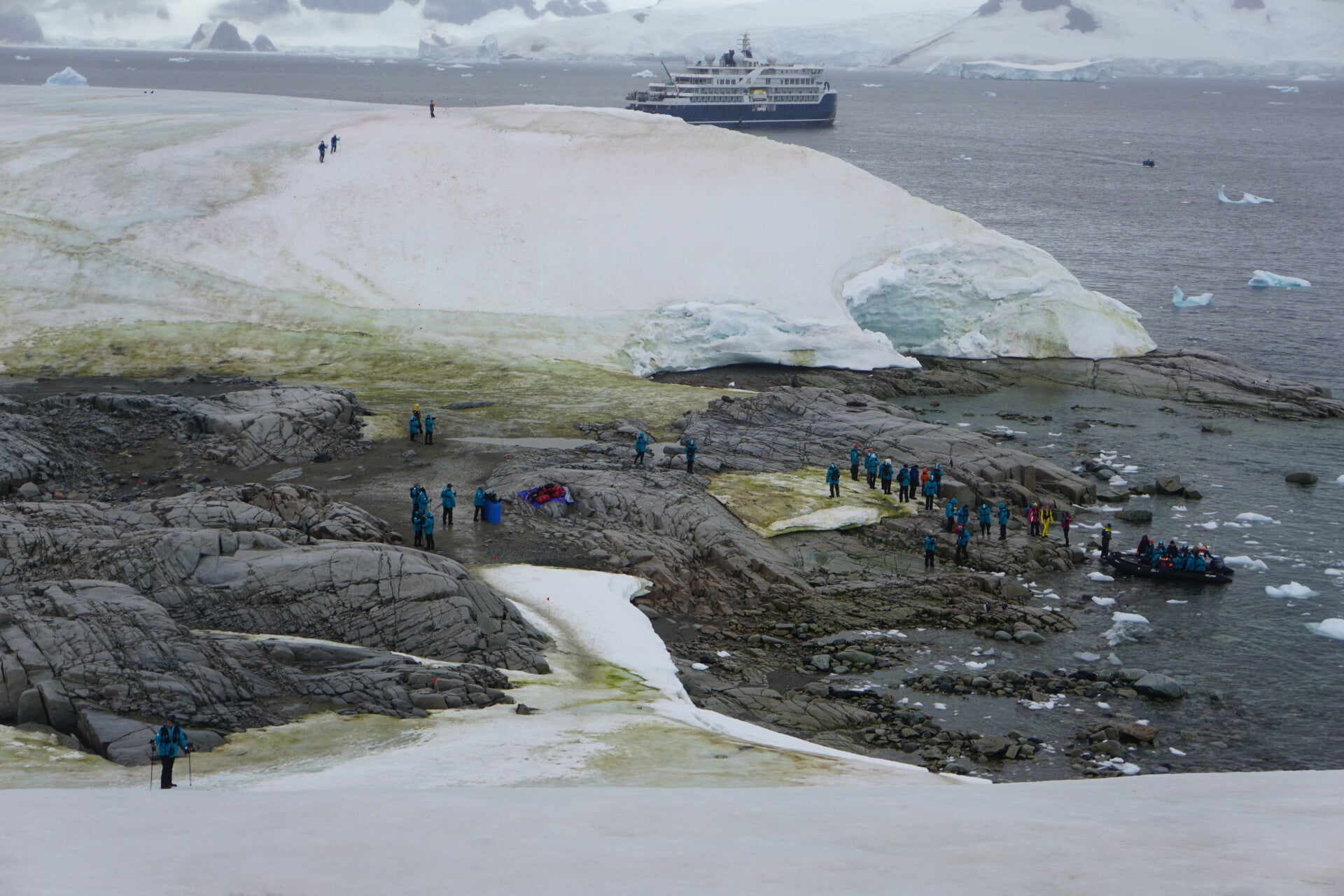
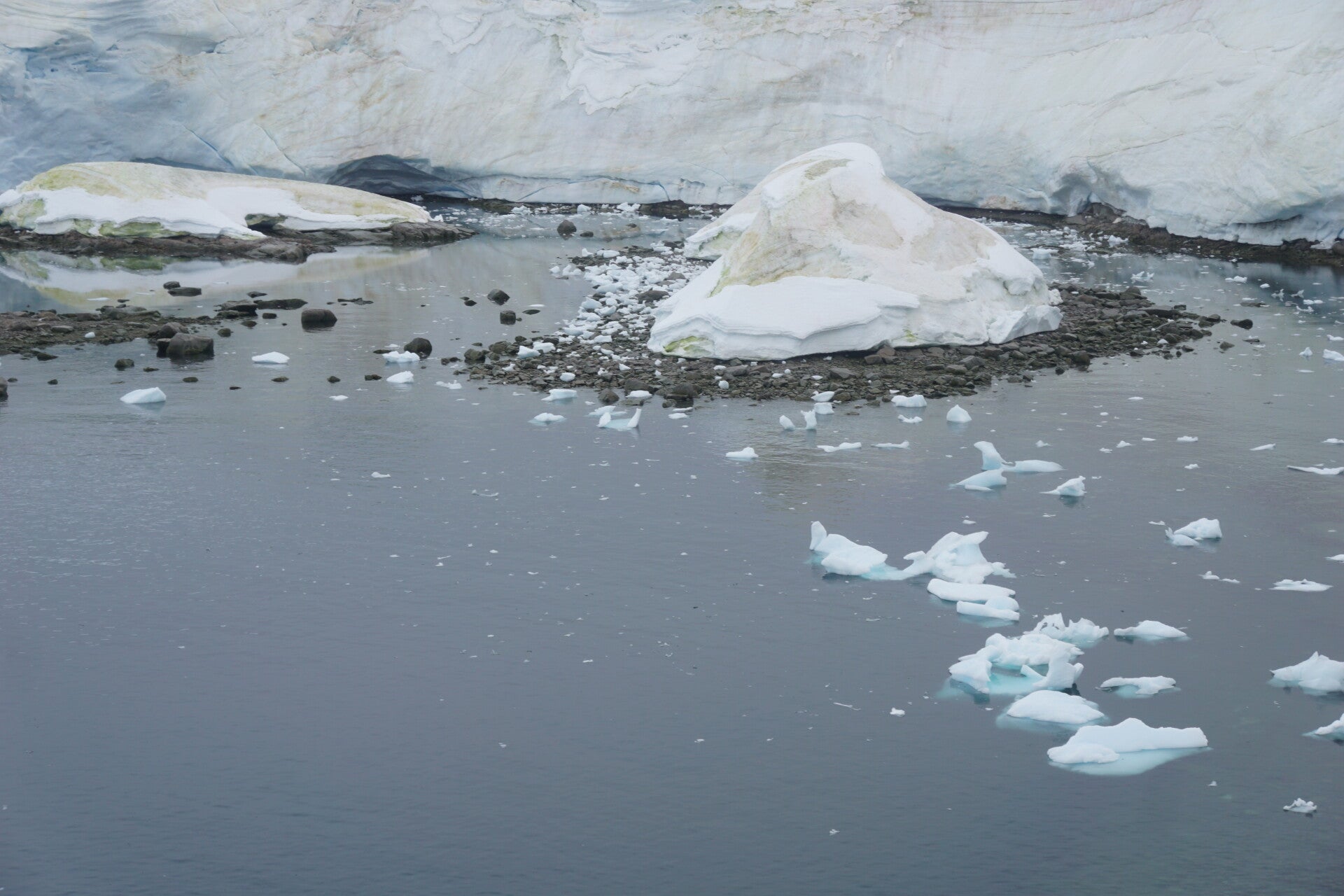
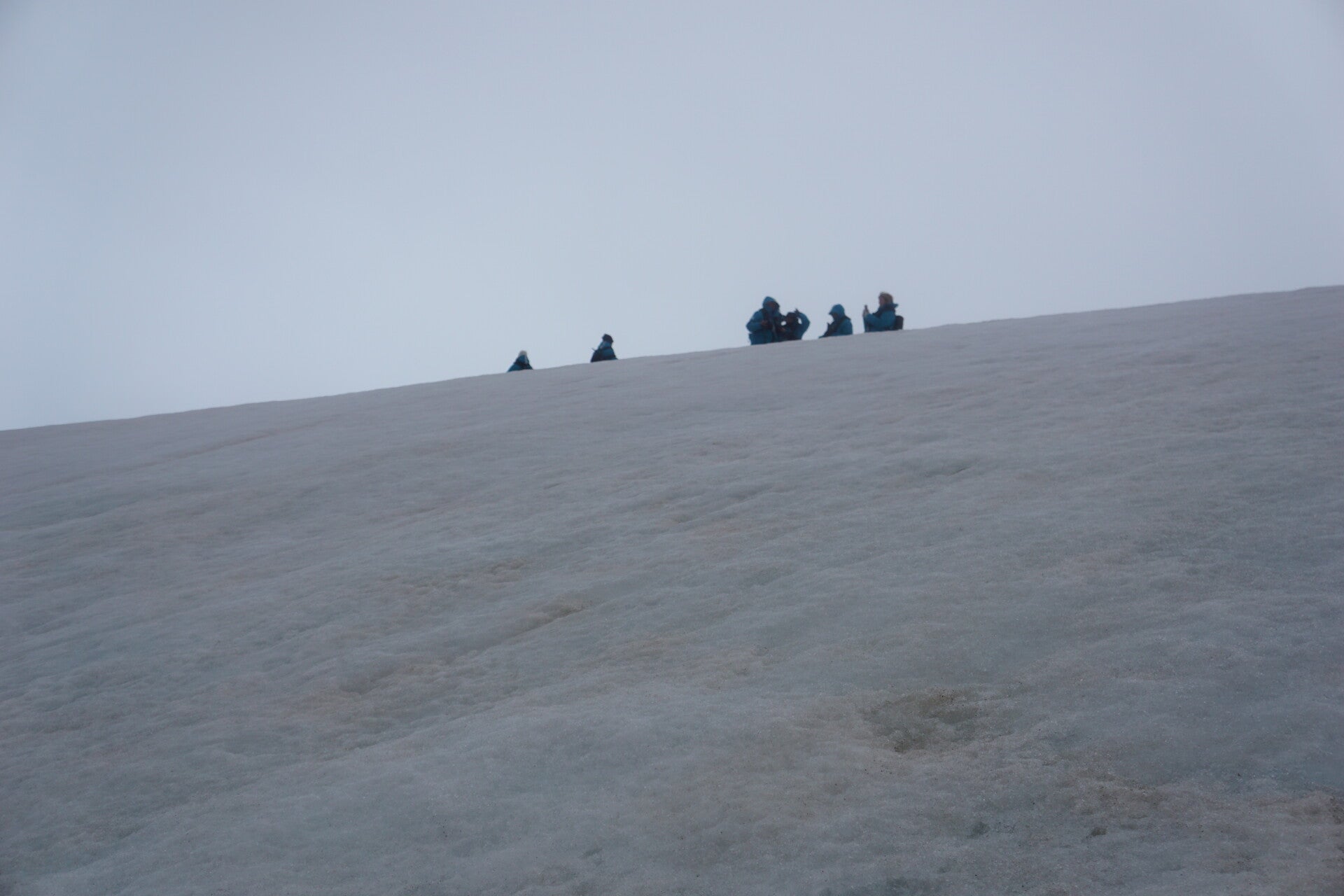
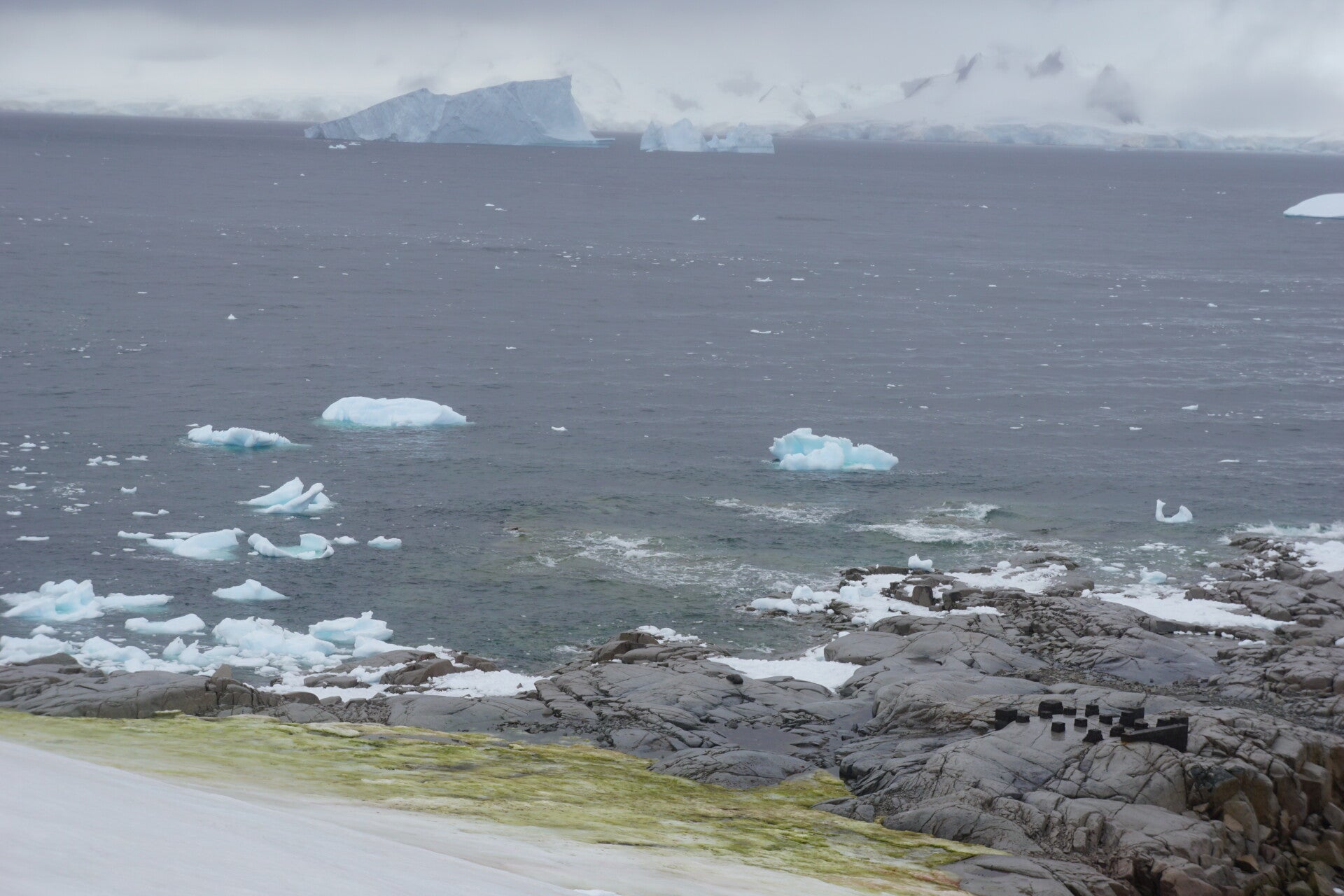
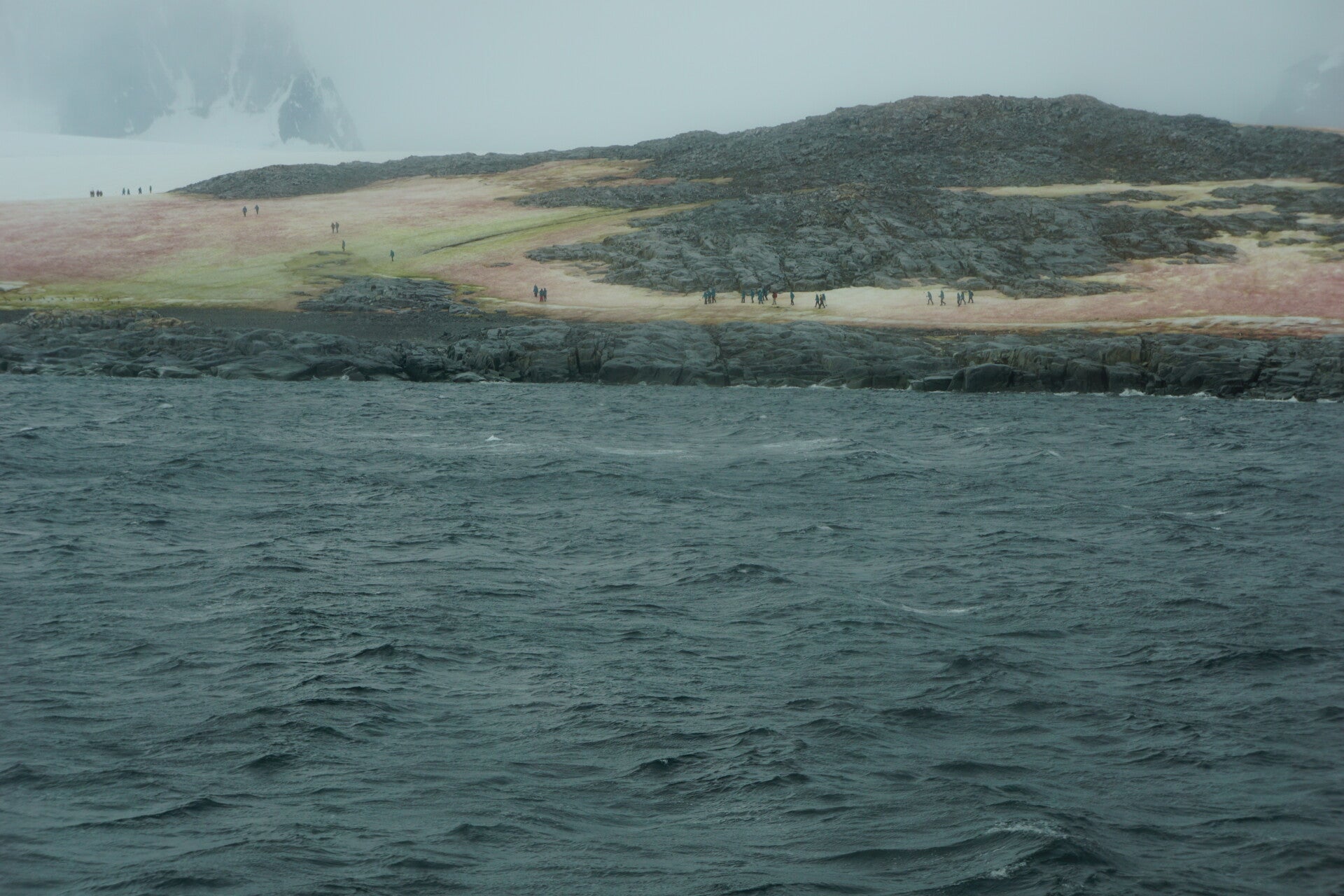
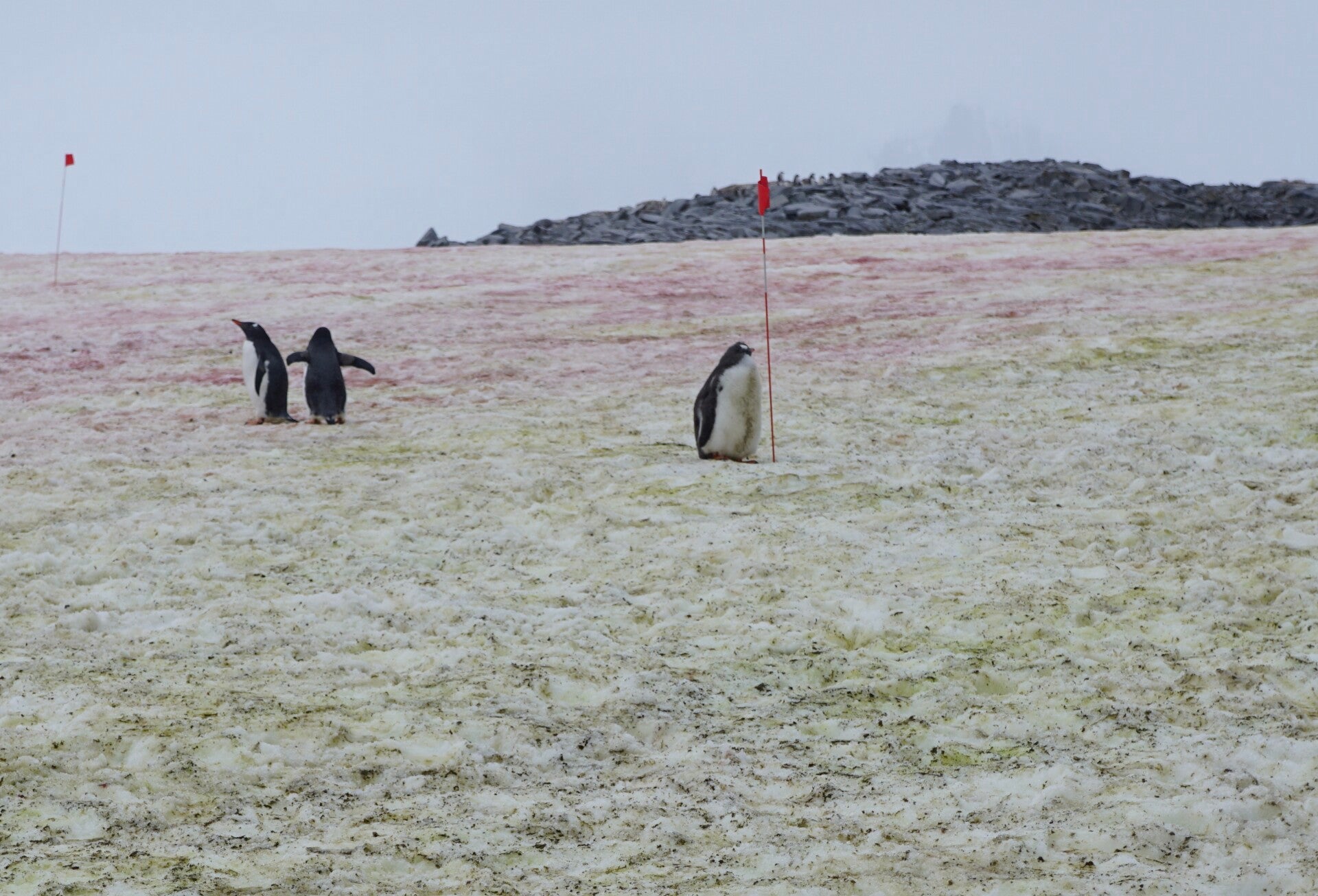
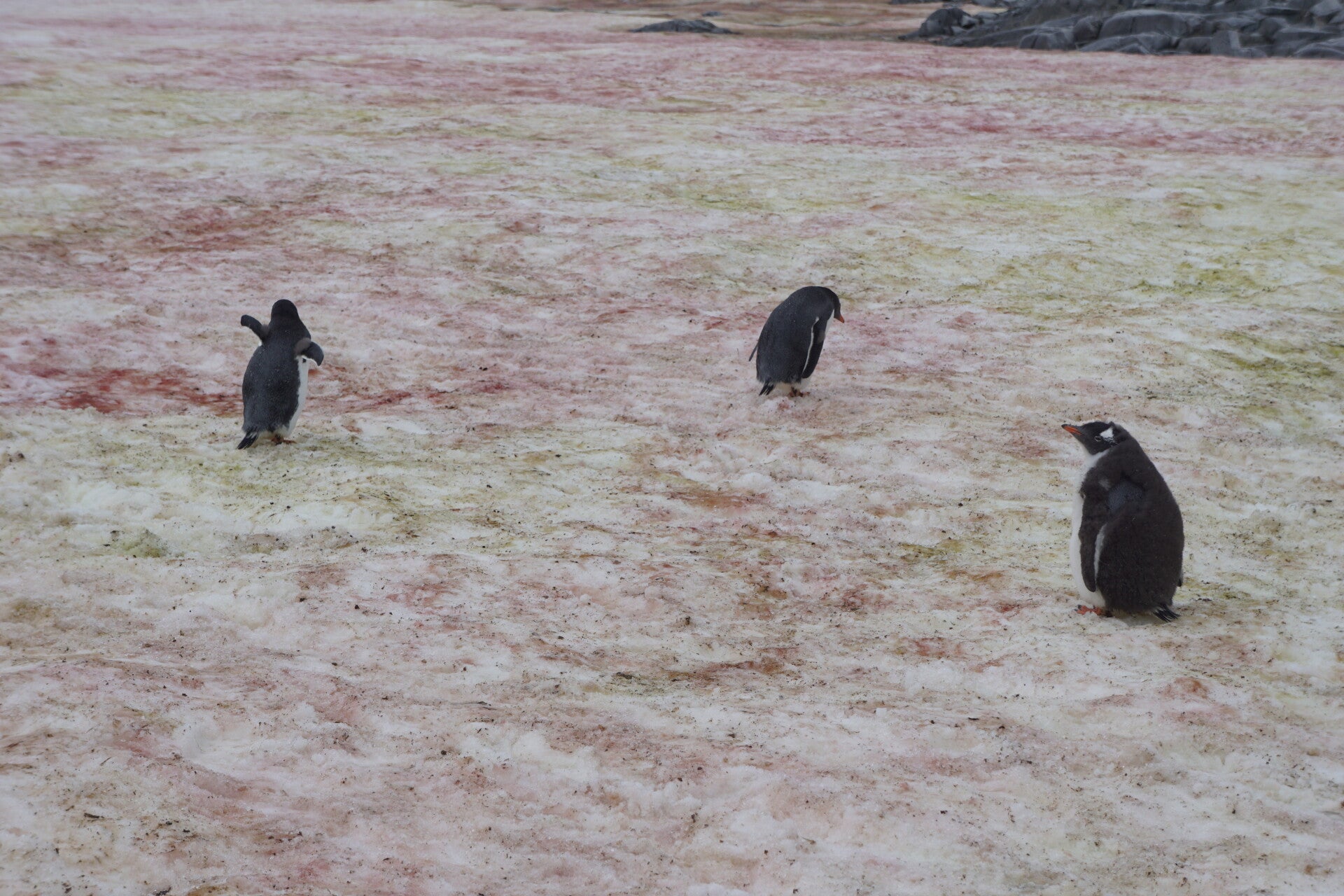
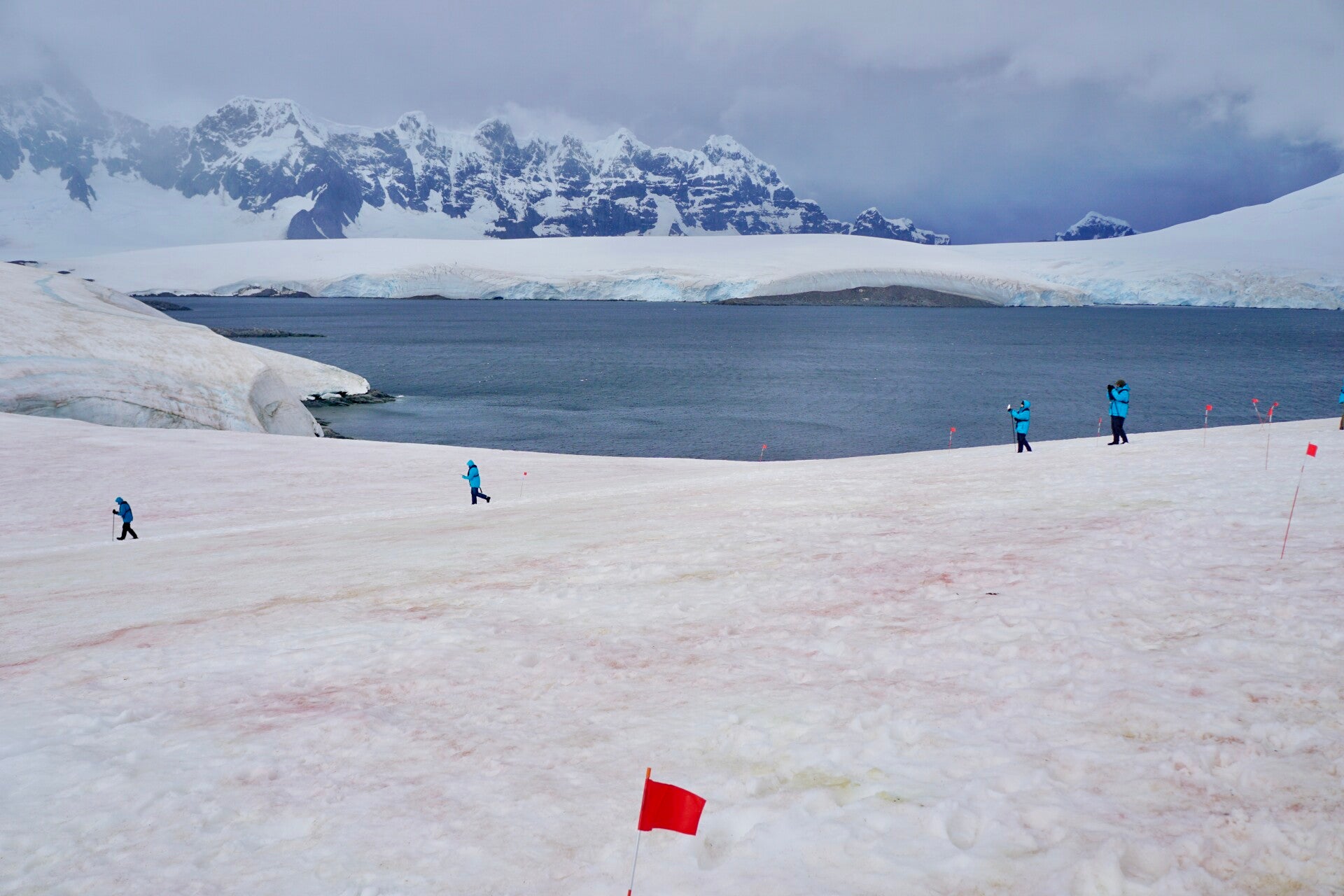
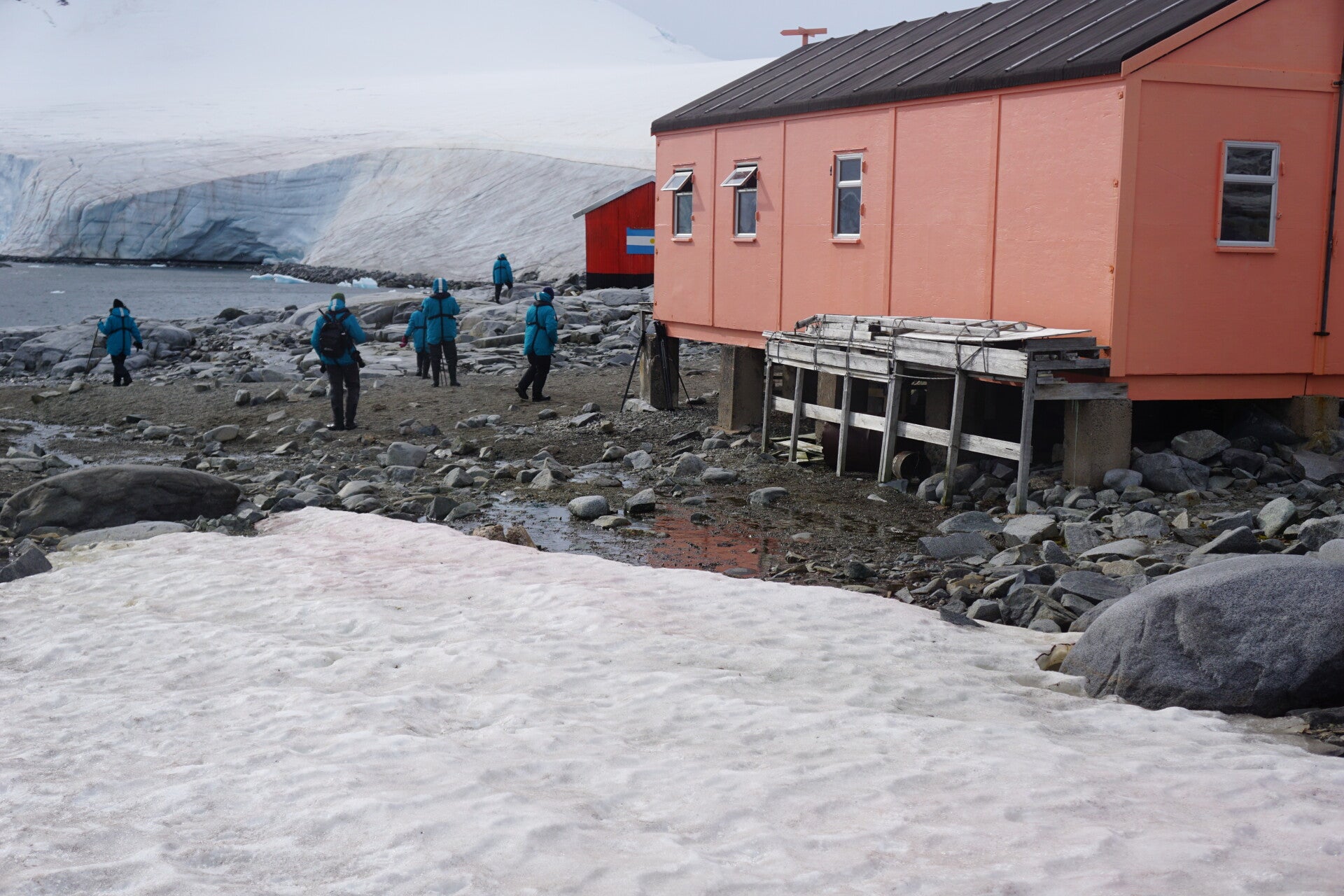
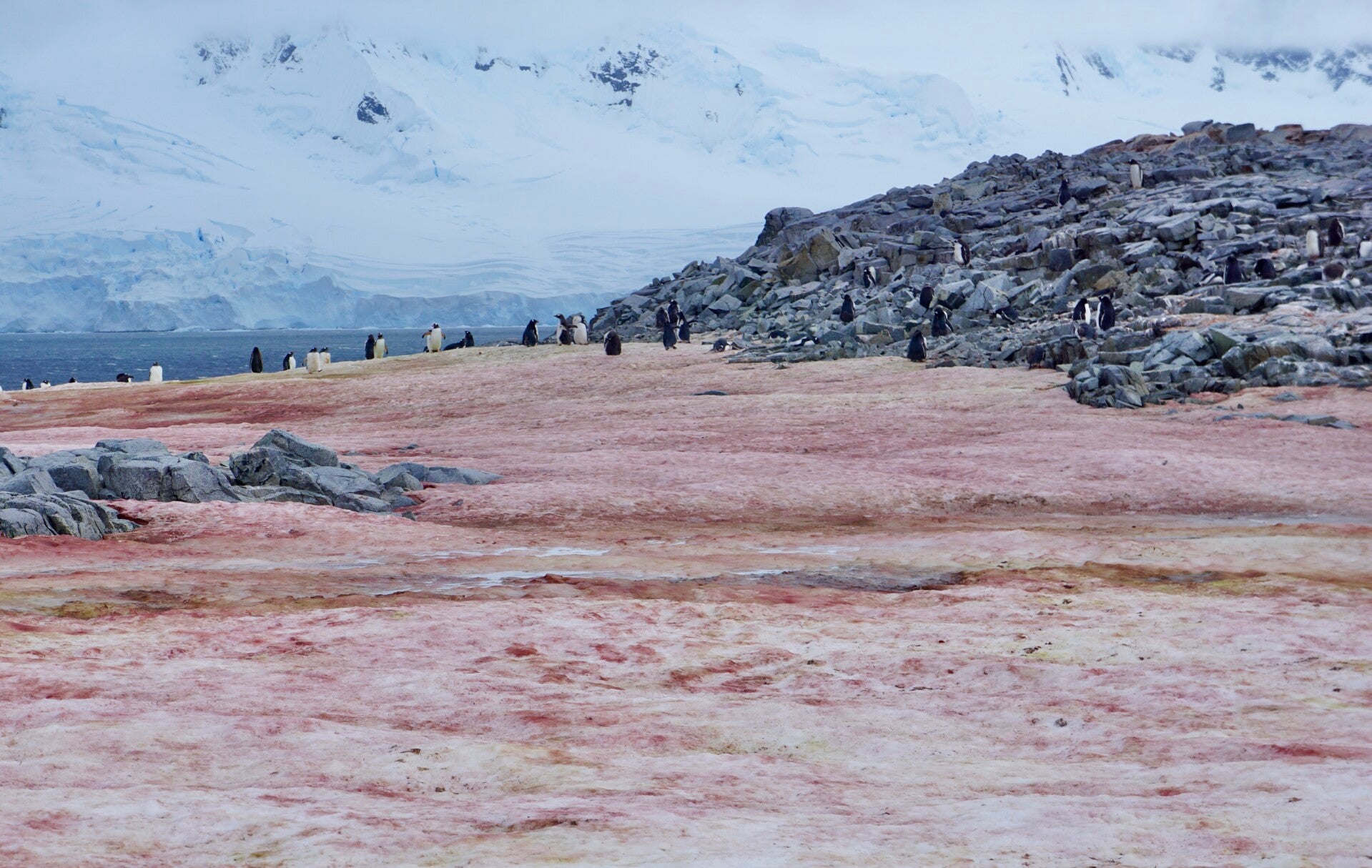
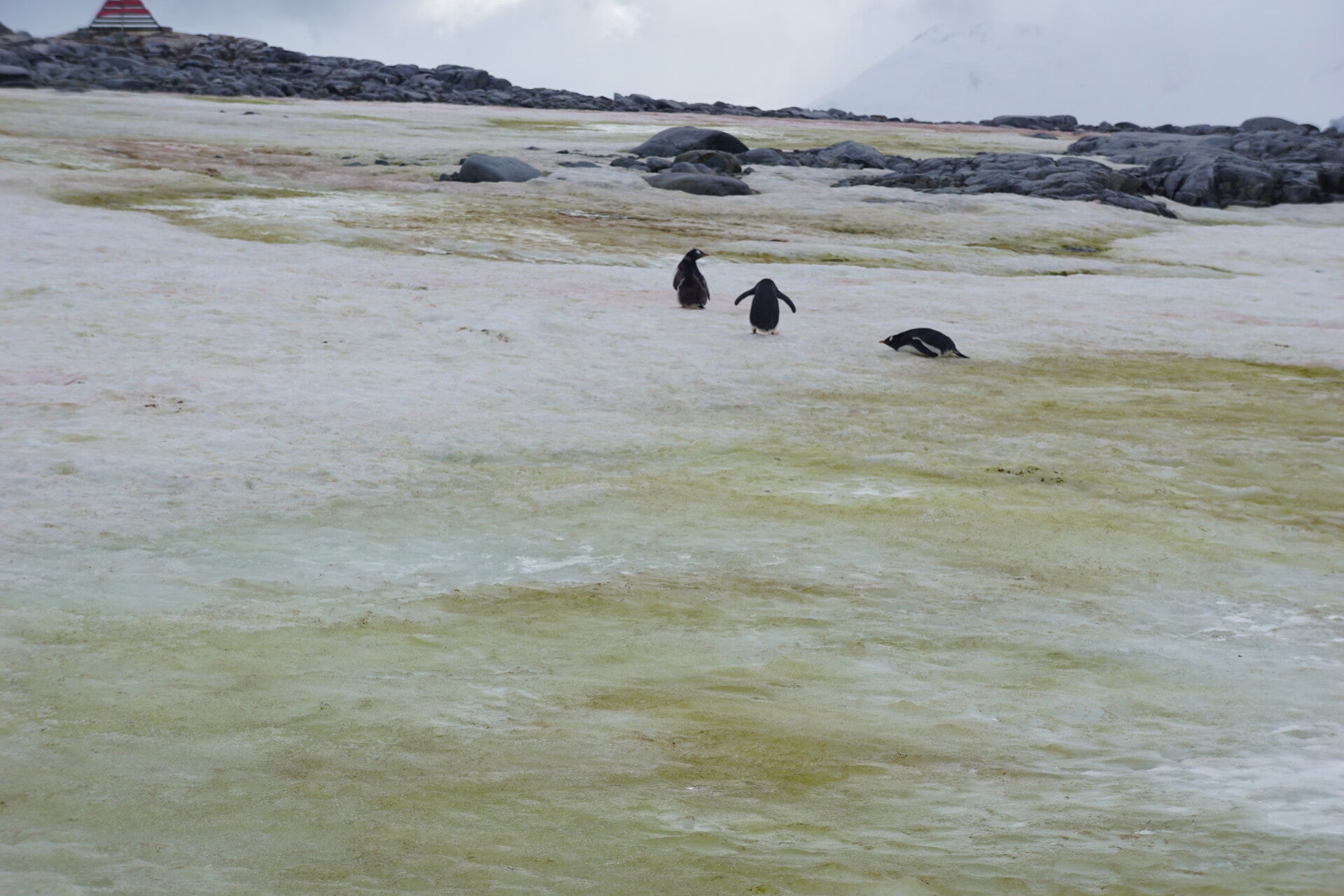
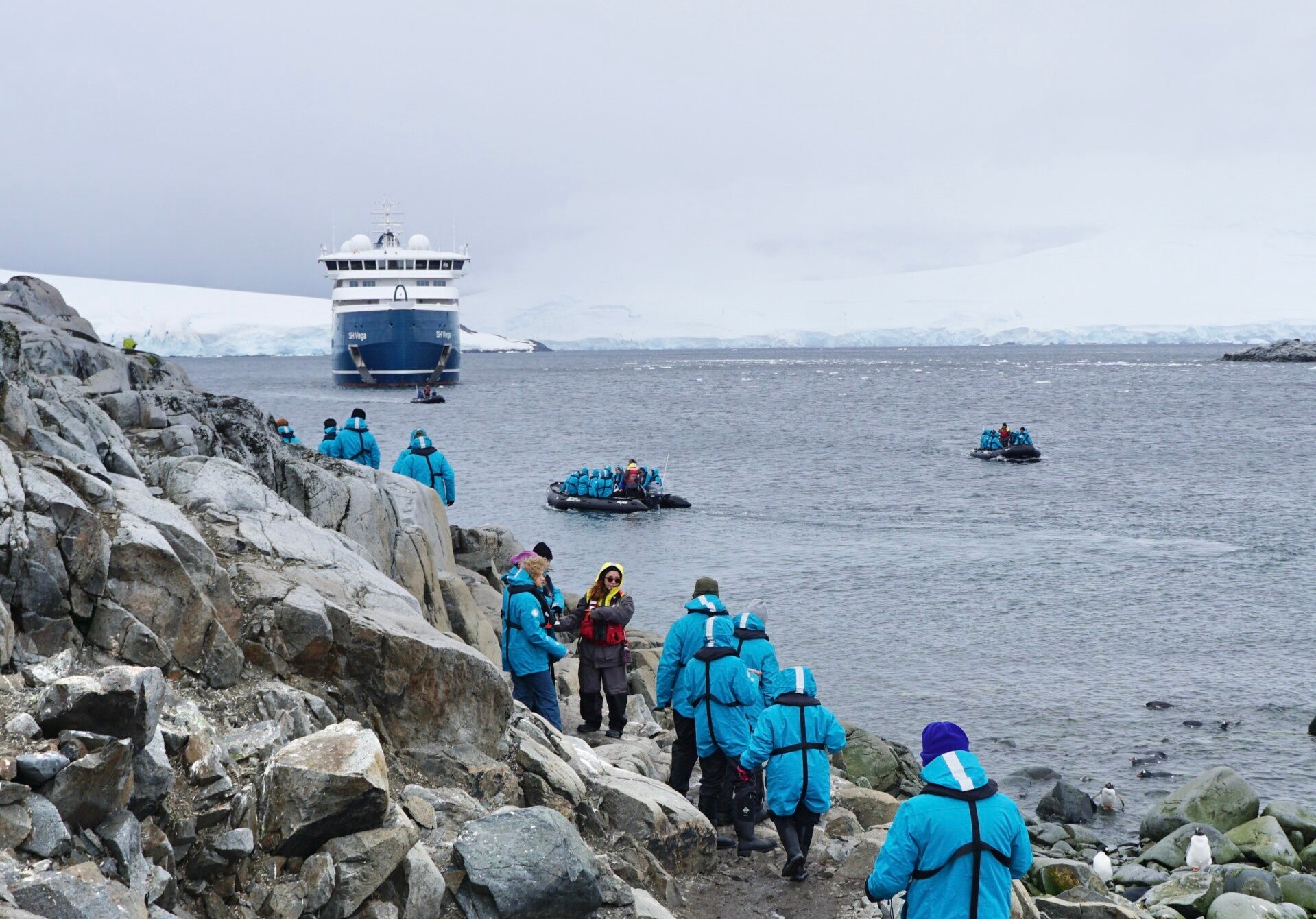
Yesterday's bright and calm weather is sadly behind us and this morning it is pretty wild & windy. The kayaking programme has been cancelled as the water conditions are not suitable and the landing programme has all been delayed but is going ahead as I write. My group will be ferried shortly across the Sound in the faithful Zodiacs to land on Damoy Point, a rocky headland on the west coast of Wiencke Island. This shot shows fellow expedionists in the other groups on the far shore trudging on the algae stained snow having been greeted by the seals and penguins as they landed.  Once I've posted this, I'll be layering up well to join them.

After the short but very windy transfer across the Sound, we enjoyed a great walk up the hill amongst the penguin colonies, or 'rookeries' as they are more correctly known.  The expedition staff position themselves along the route that is also marked by pennants that they put out before us punters arrive.

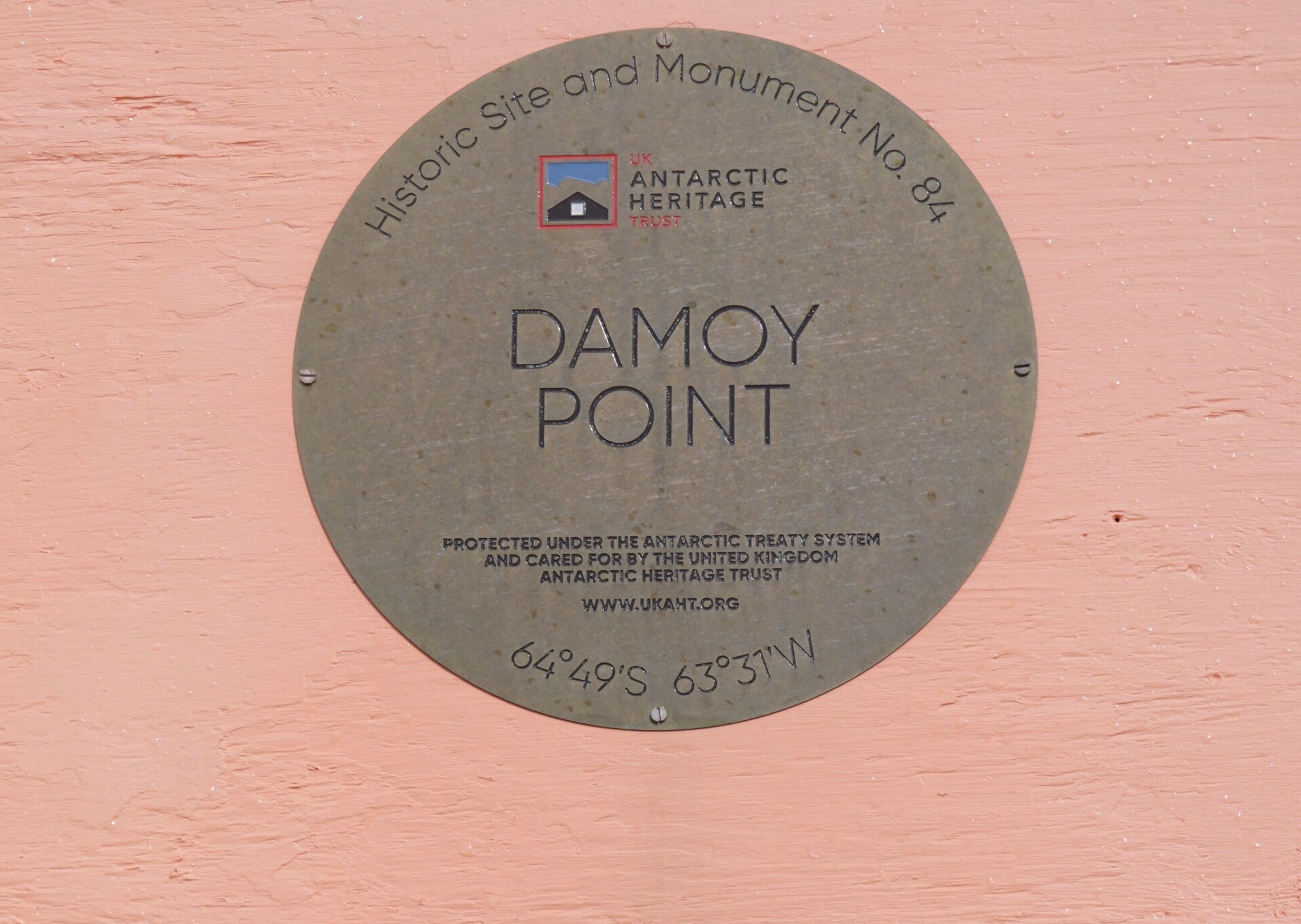
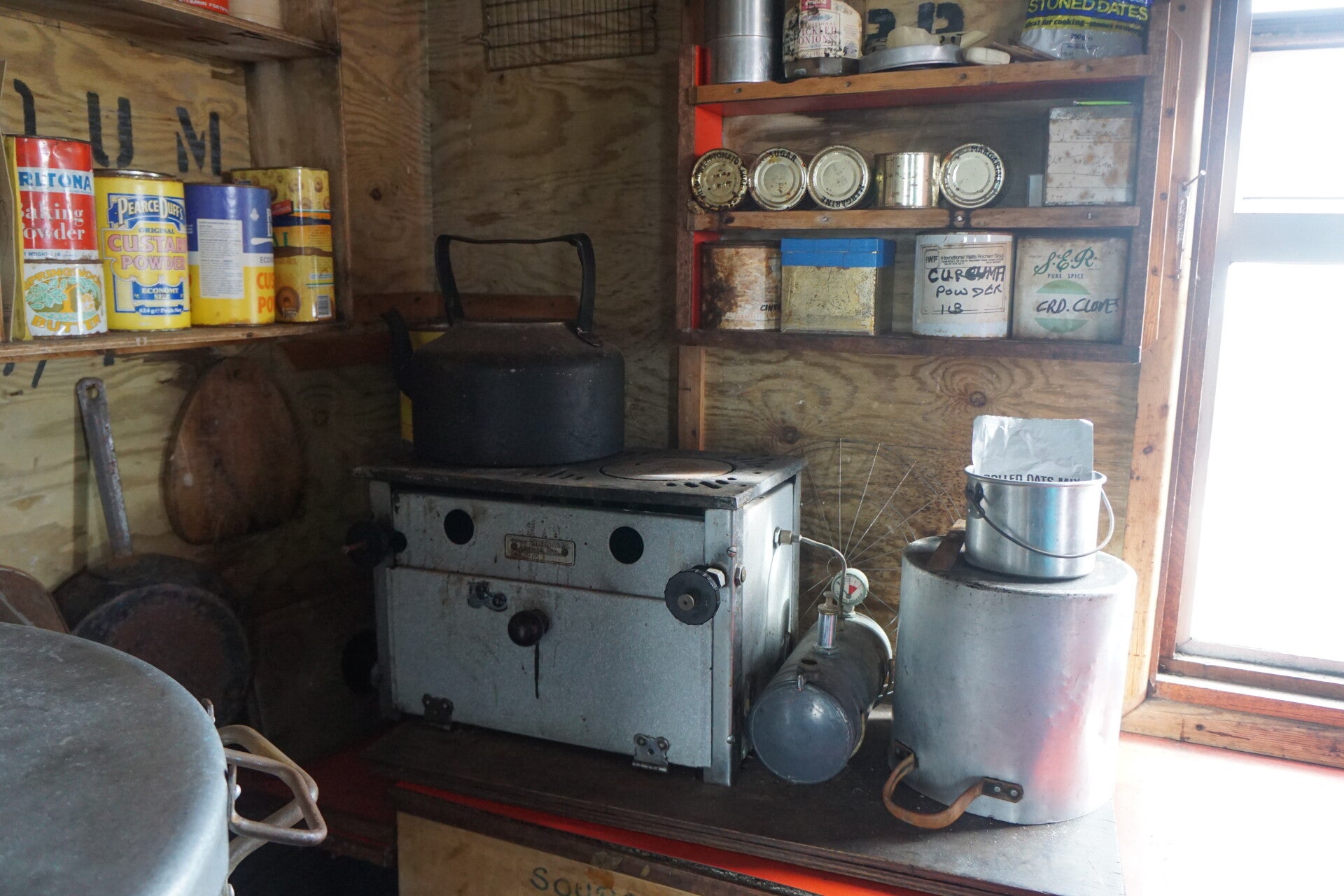
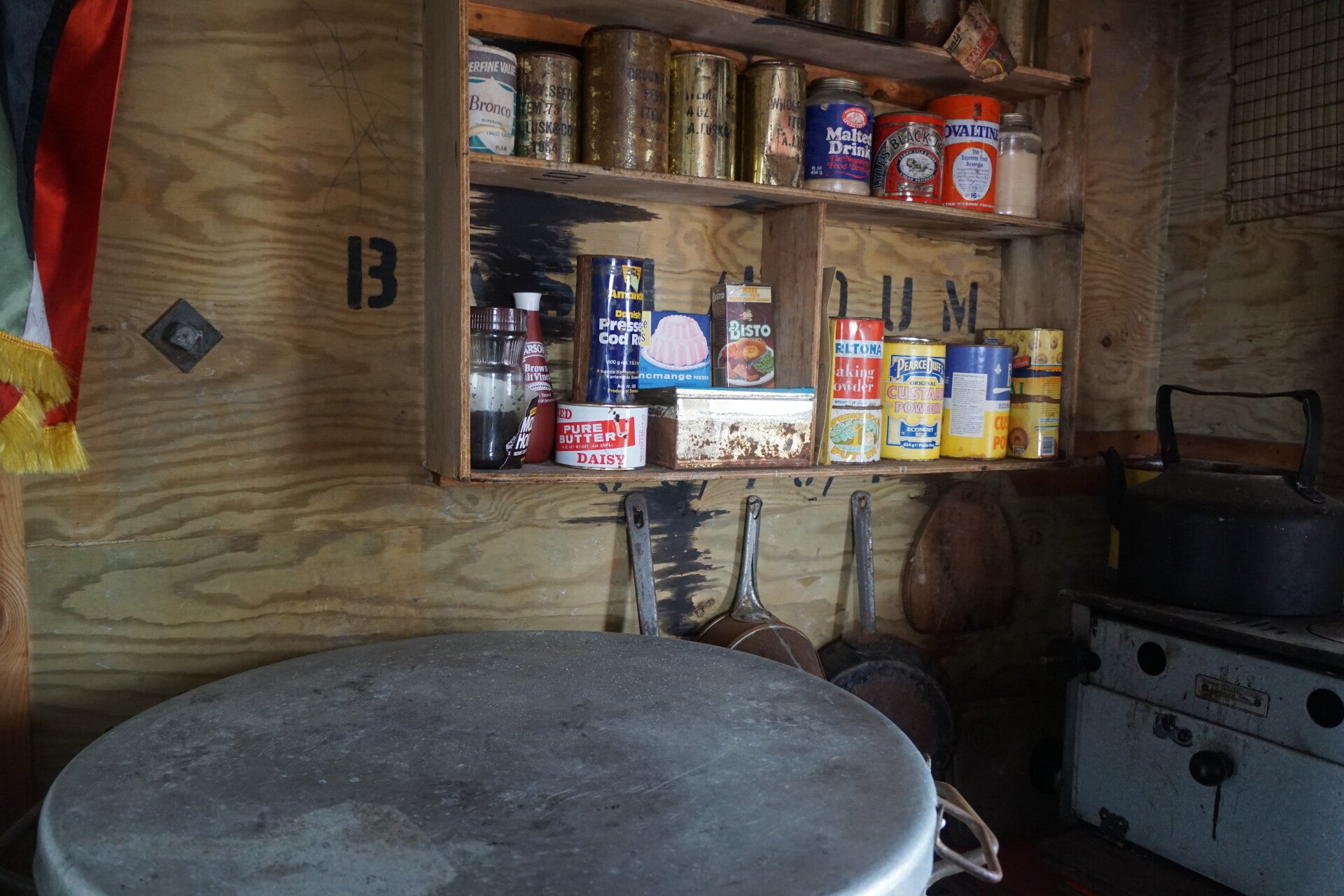
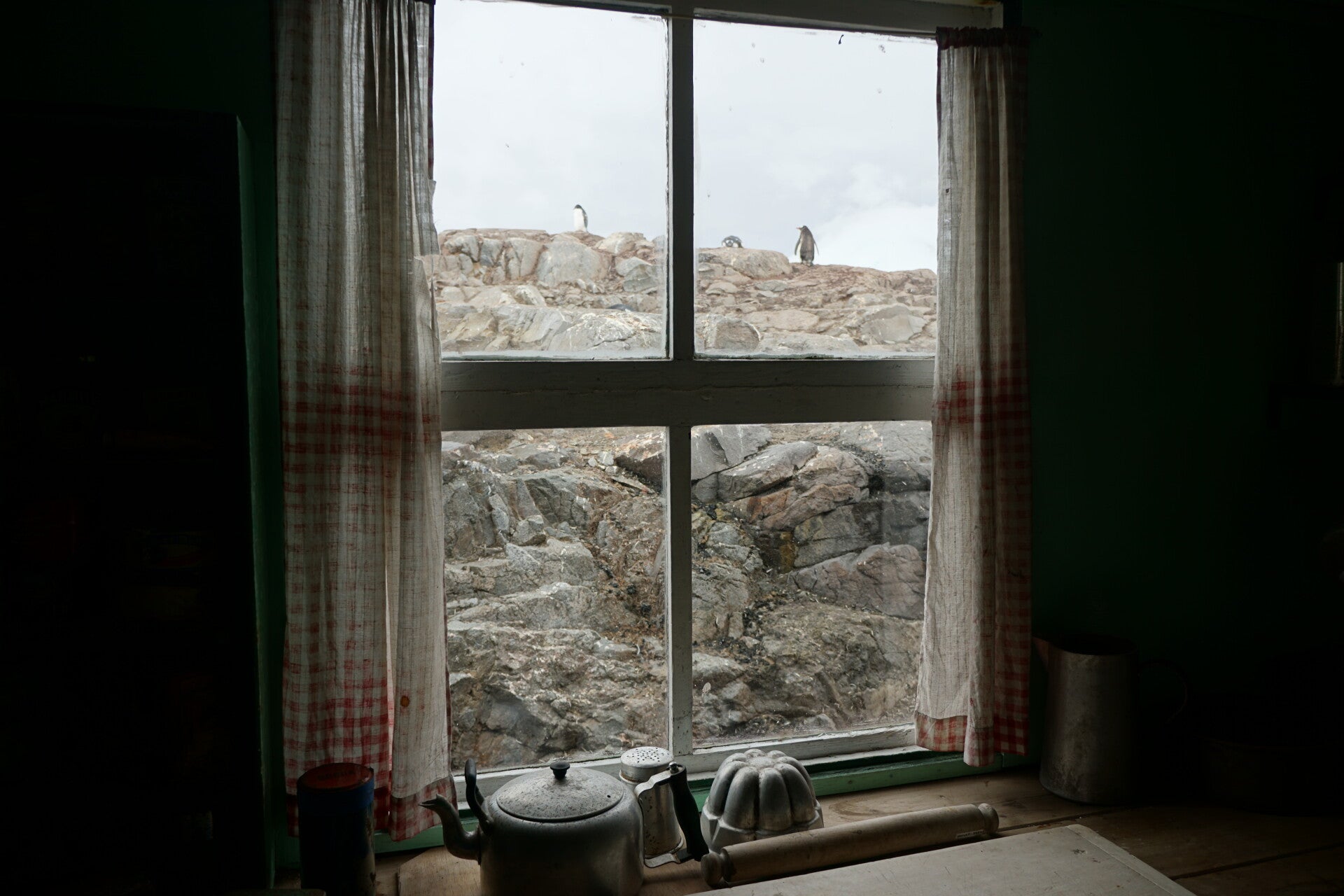
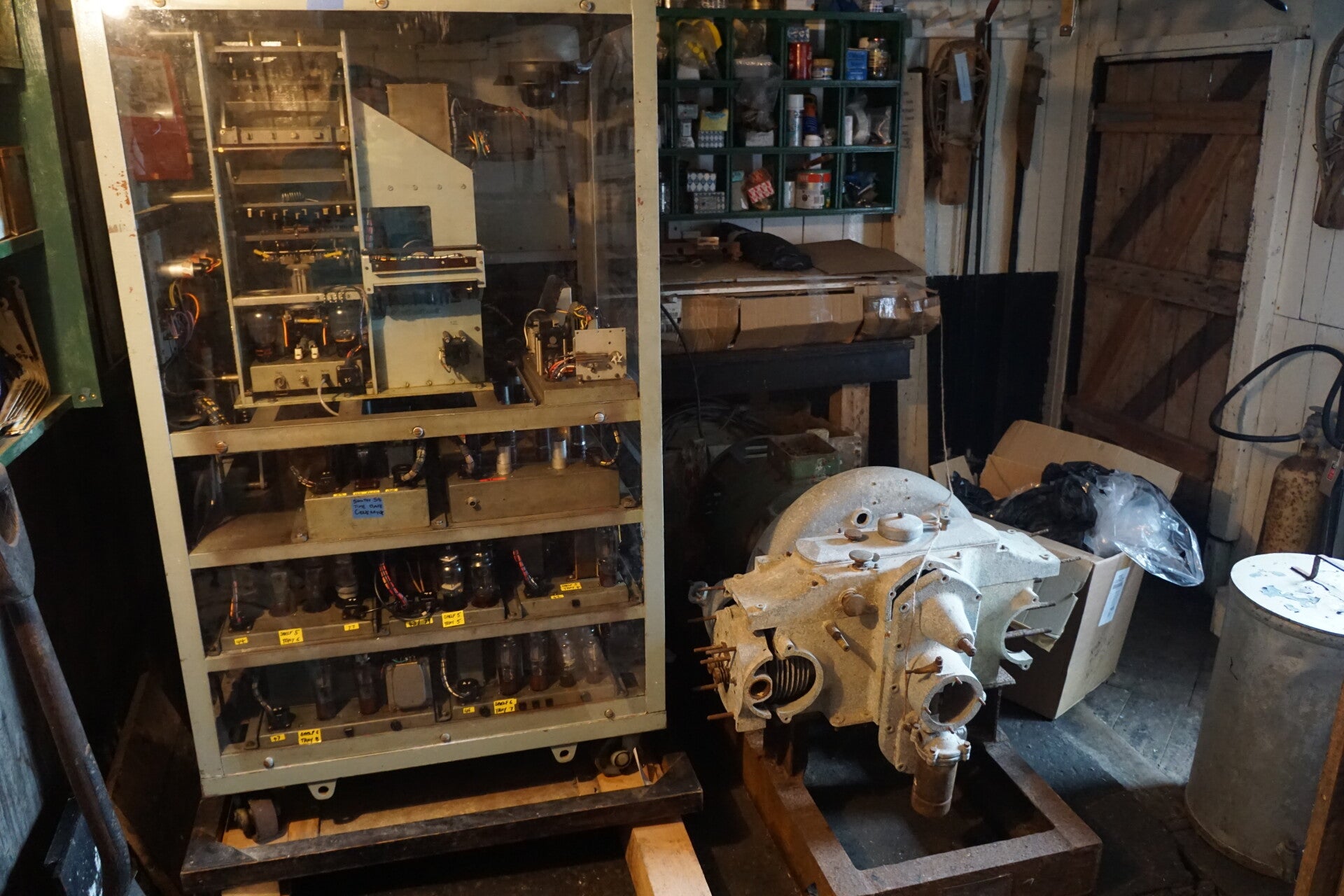
Damoy Point is a former research station of the British Antarctic Survey, now maintained as a historical monument by the UK Antarctic Heritage Trust. 

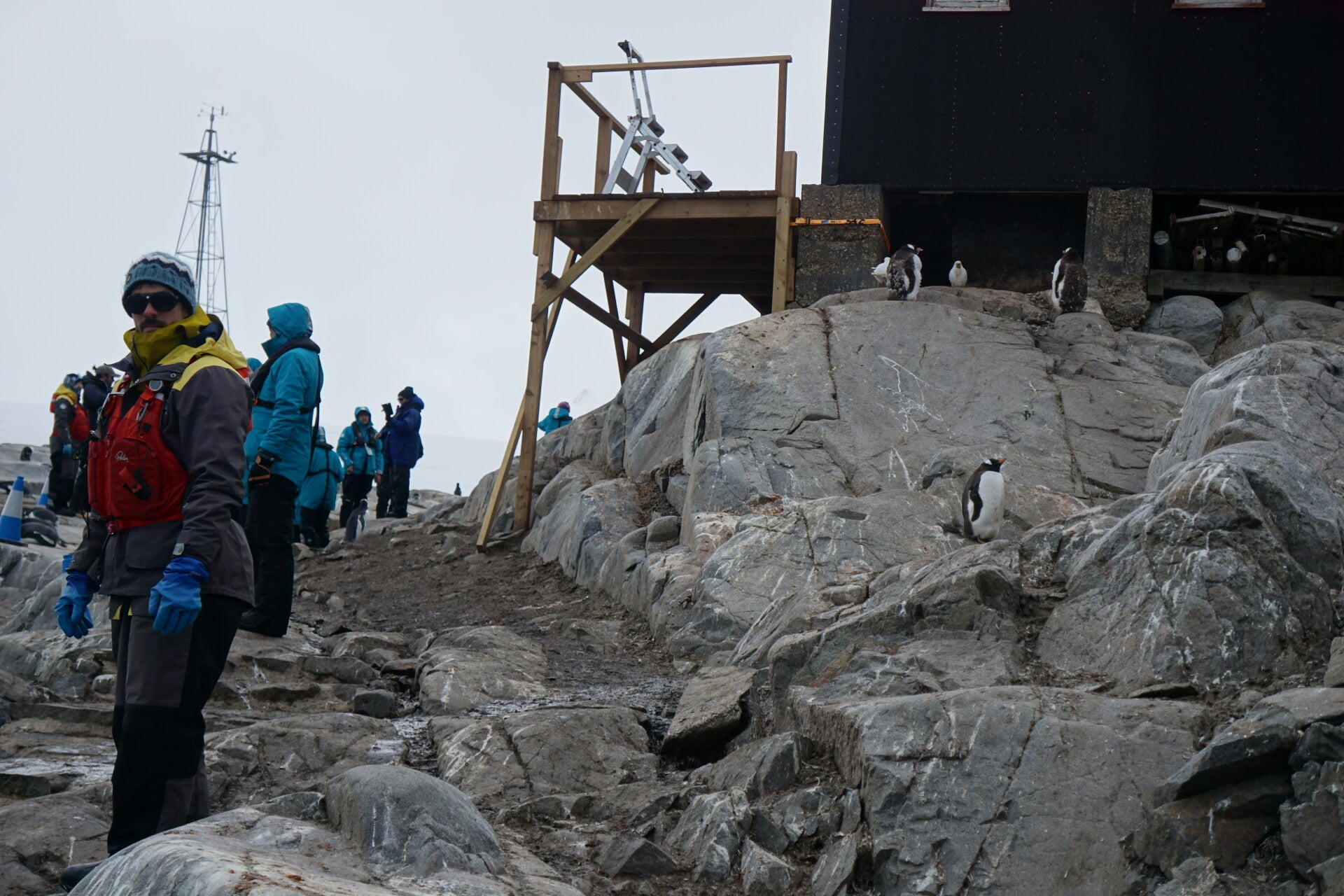
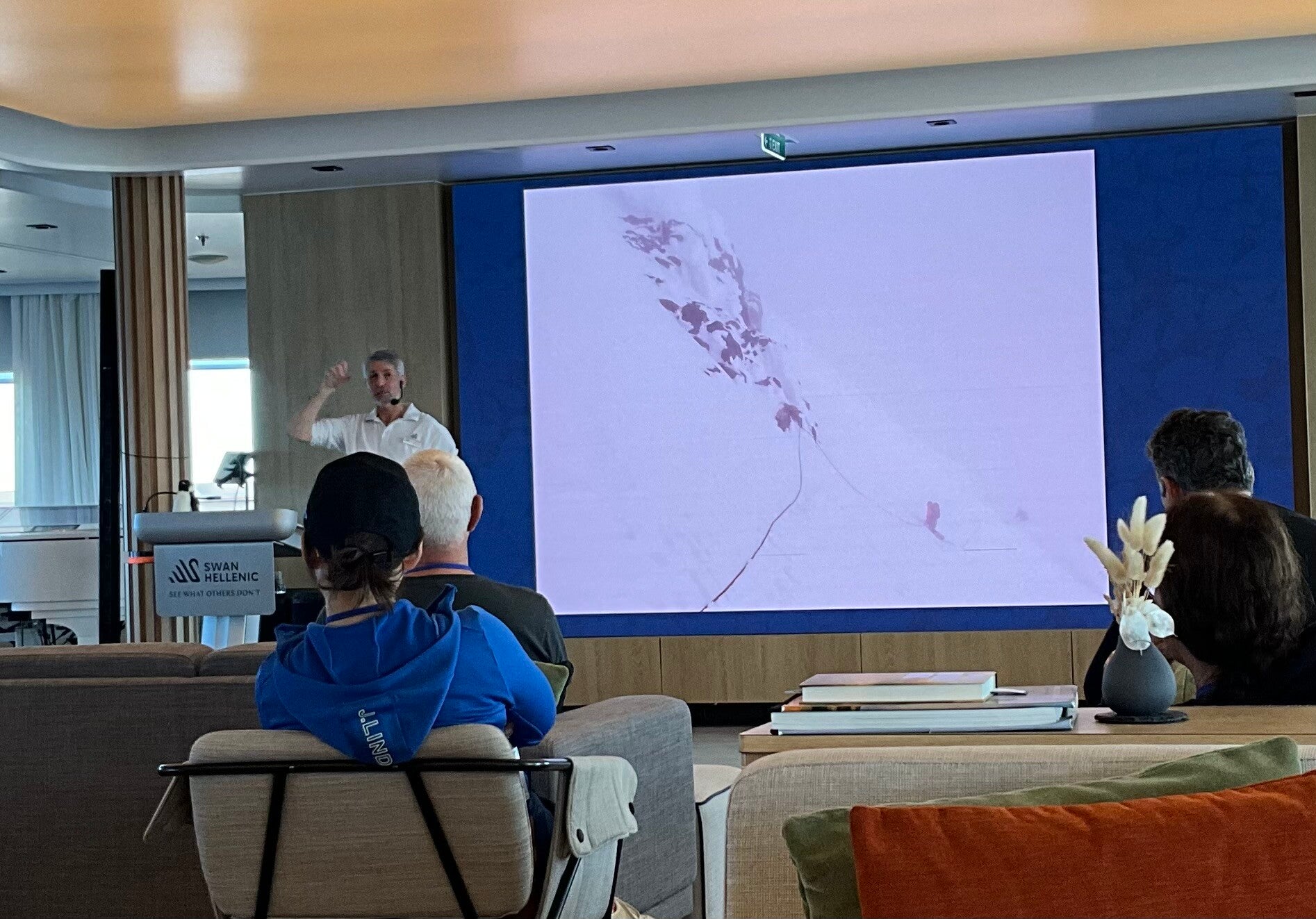
In the afternoon we had a presentation on board by a team member of the UK Antarctic Heritage Trust came on to the ship to do this and, as he was 2 months into his three month tour of duty at Port Lockroy, he also needed a hot shower.  The mission of the UKAHT is to conserve the historical legacy of the early explorers and researchers in Antarctica.  This includes the now disused wooden huts and other installations that housed and supported their work.  After the presentation, we proceeded in our groups to Zodiac ashore to visit another of the UKAHT heritage sites that is now populated by a very large rookery of Gentoo penguins.  


At this time of year, the Gentoos have finished breeding but the new generation has to be taught to swim! This gave us great entertainment during our limited time ashore at Port Lockroy. I took some video of their antics but my web platform subscription does not support video so the following still is all I can give you. 

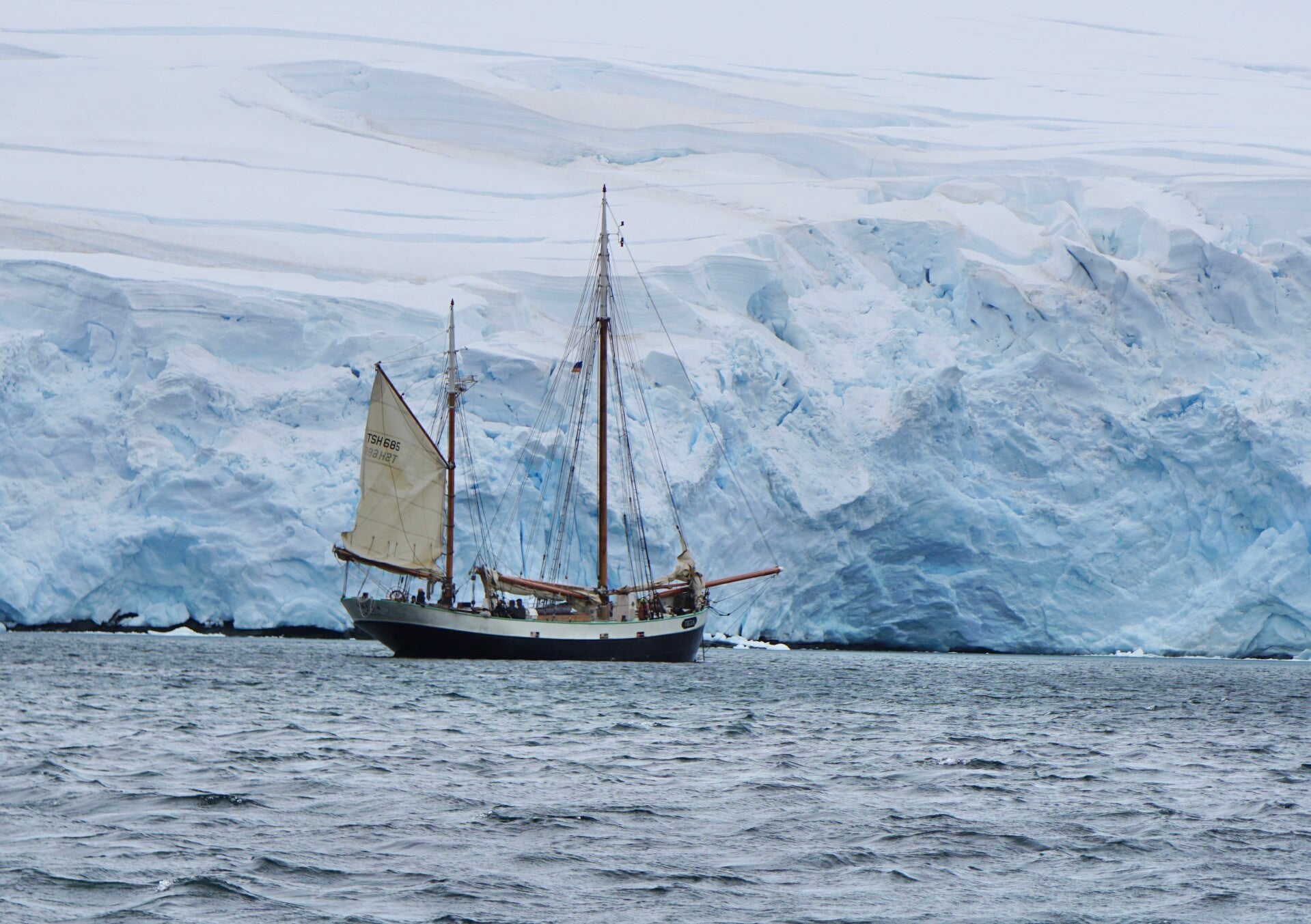
Back to the ship which was 'hovering' nearby using its advanced automatic position holding system linking the GPS to the bow & stern thrusters. It is easier and safer than dropping anchor.  However, we were taken by Alison, our Zodiac driver, on a 20 min cruise around the bay where we found this beautiful Dutch historic sailing ship, before re-embarking in the Vega.

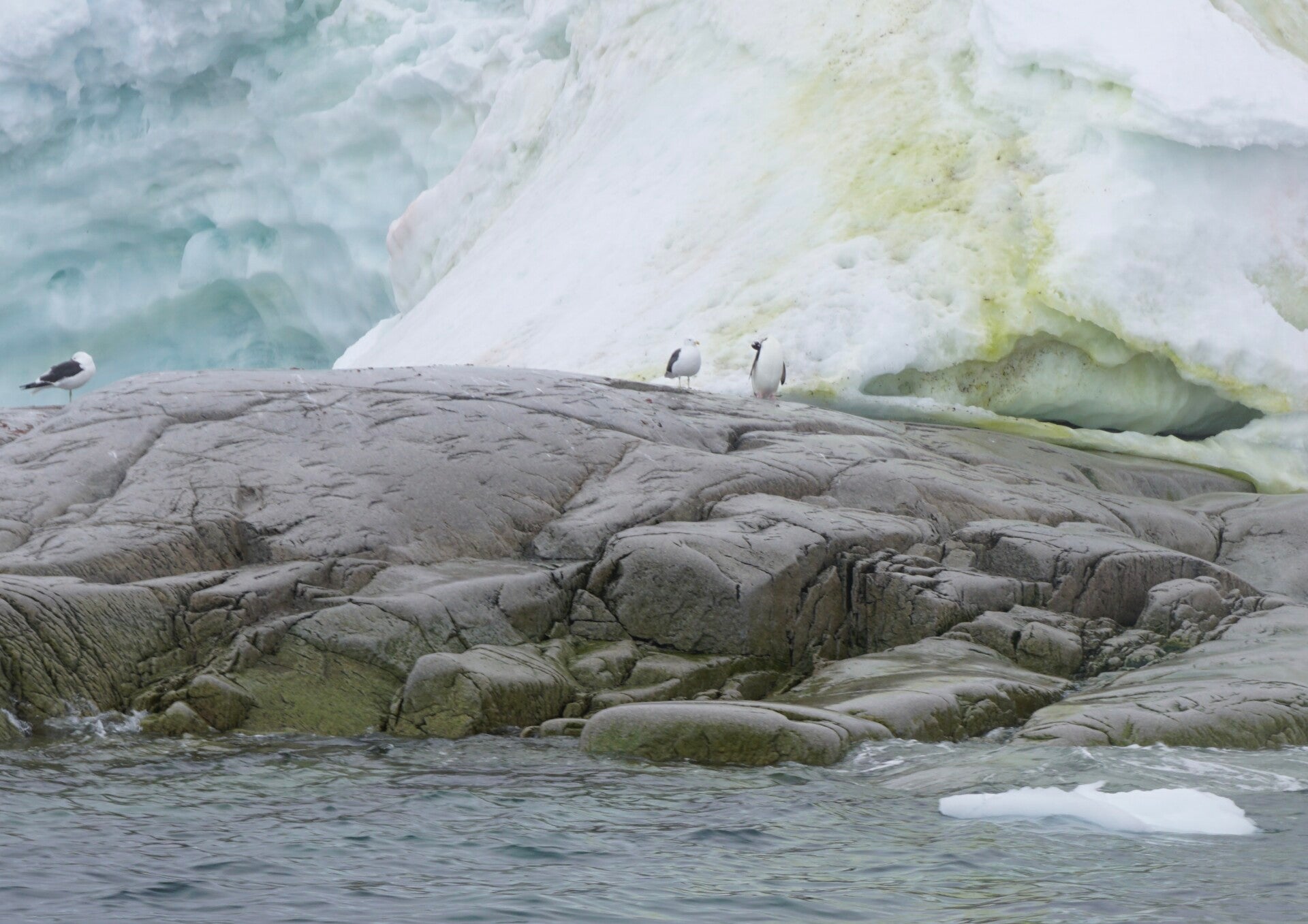
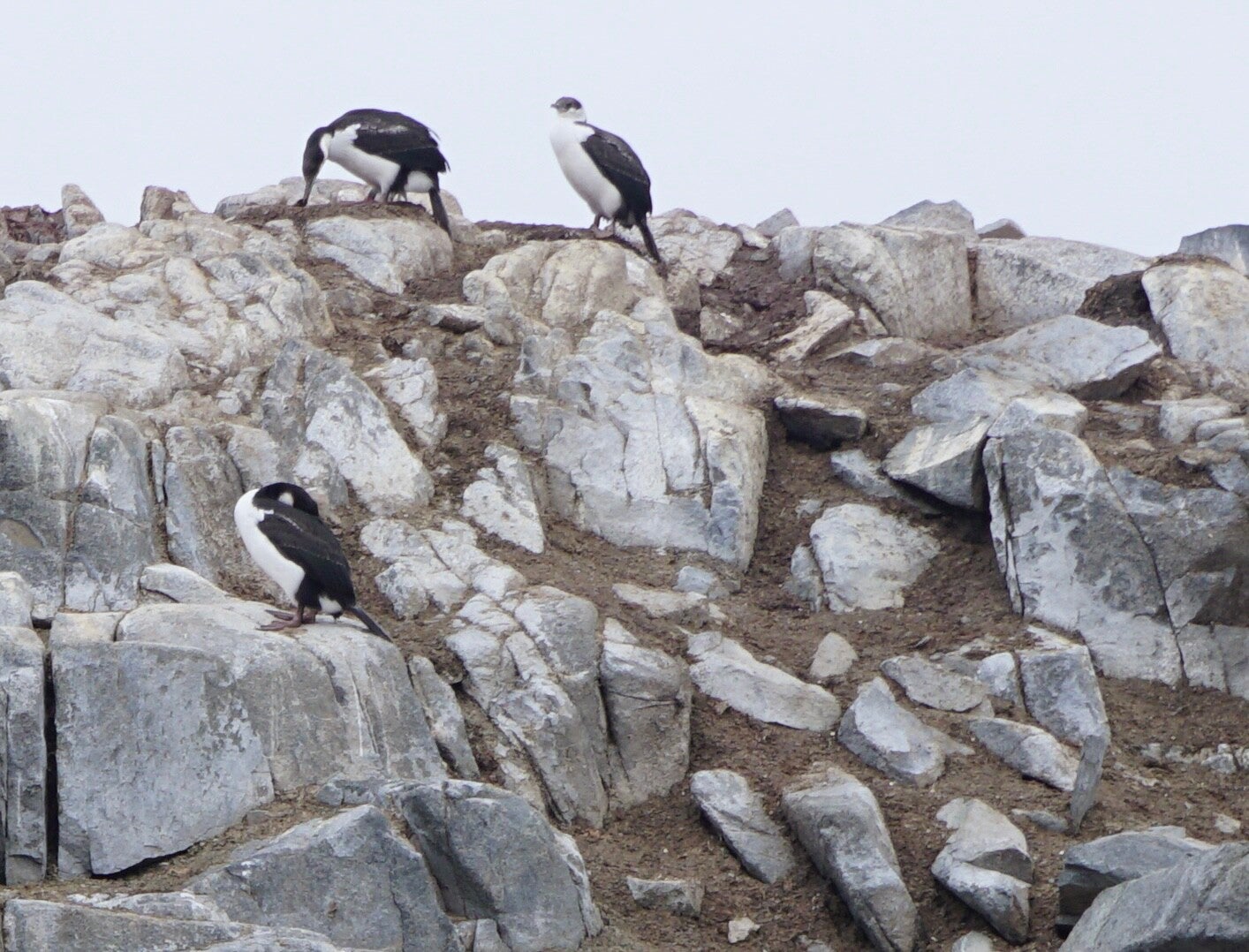
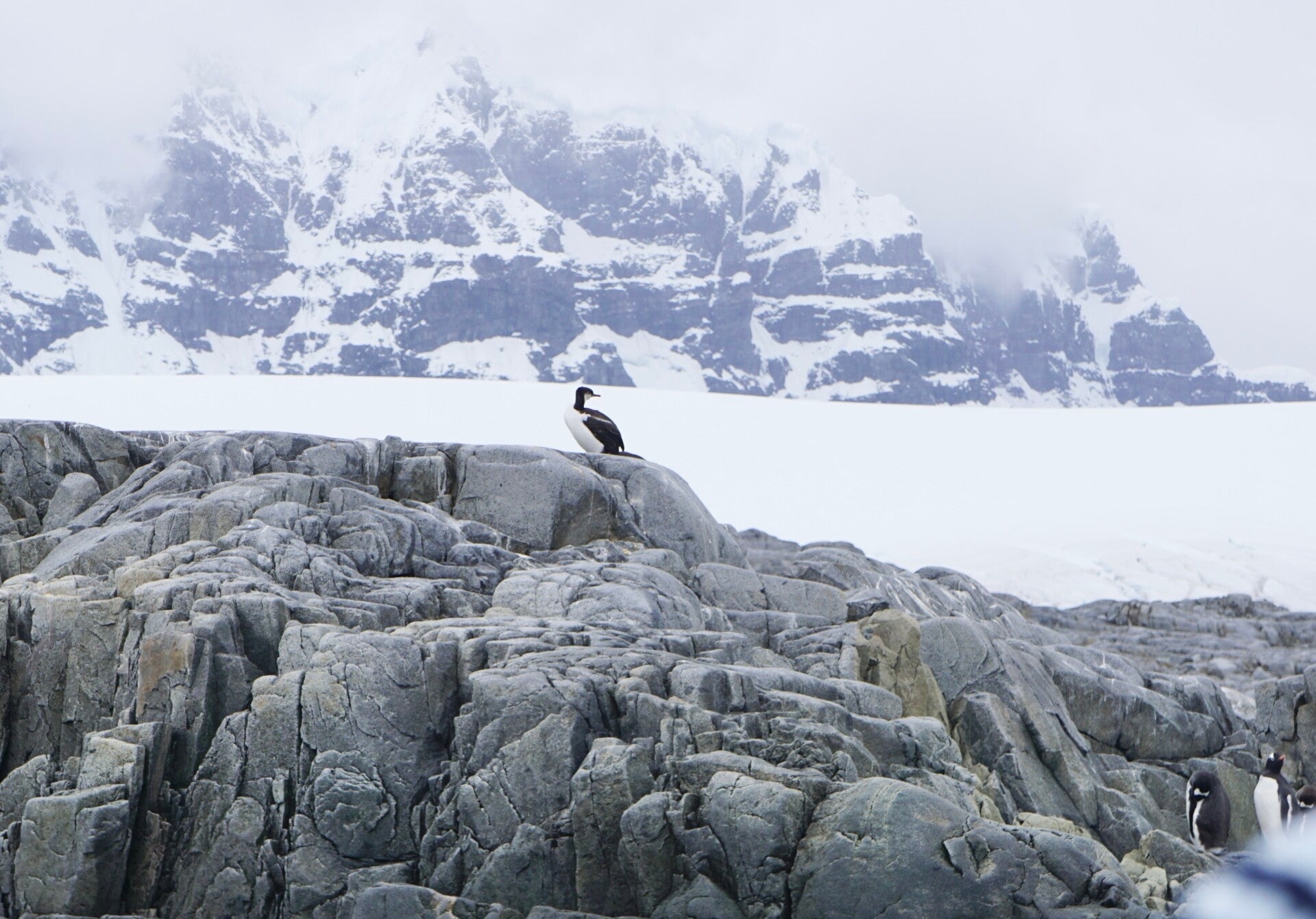
Antarctic Cormorants

1 March. The Last Day of Exploration Ashore.


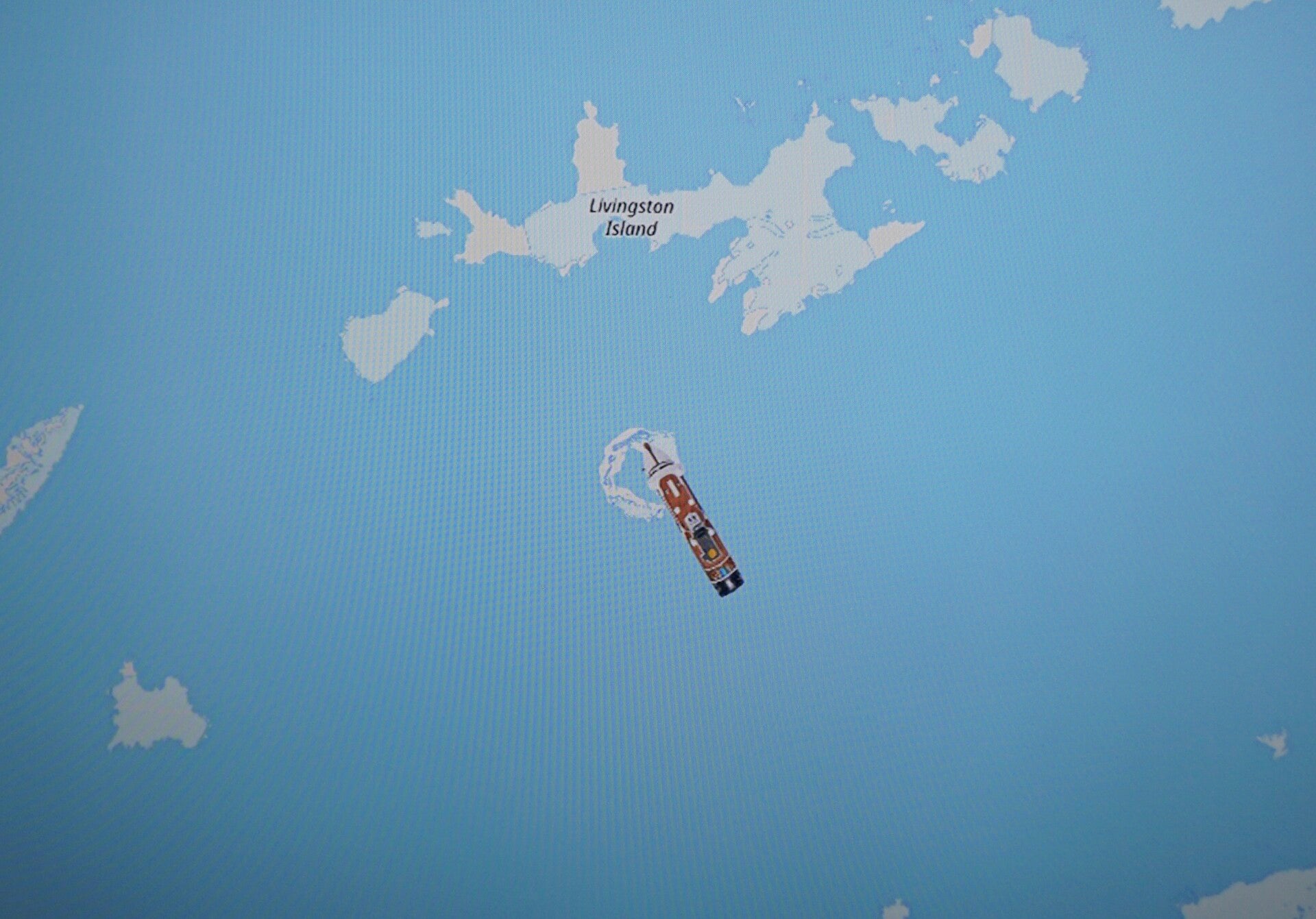
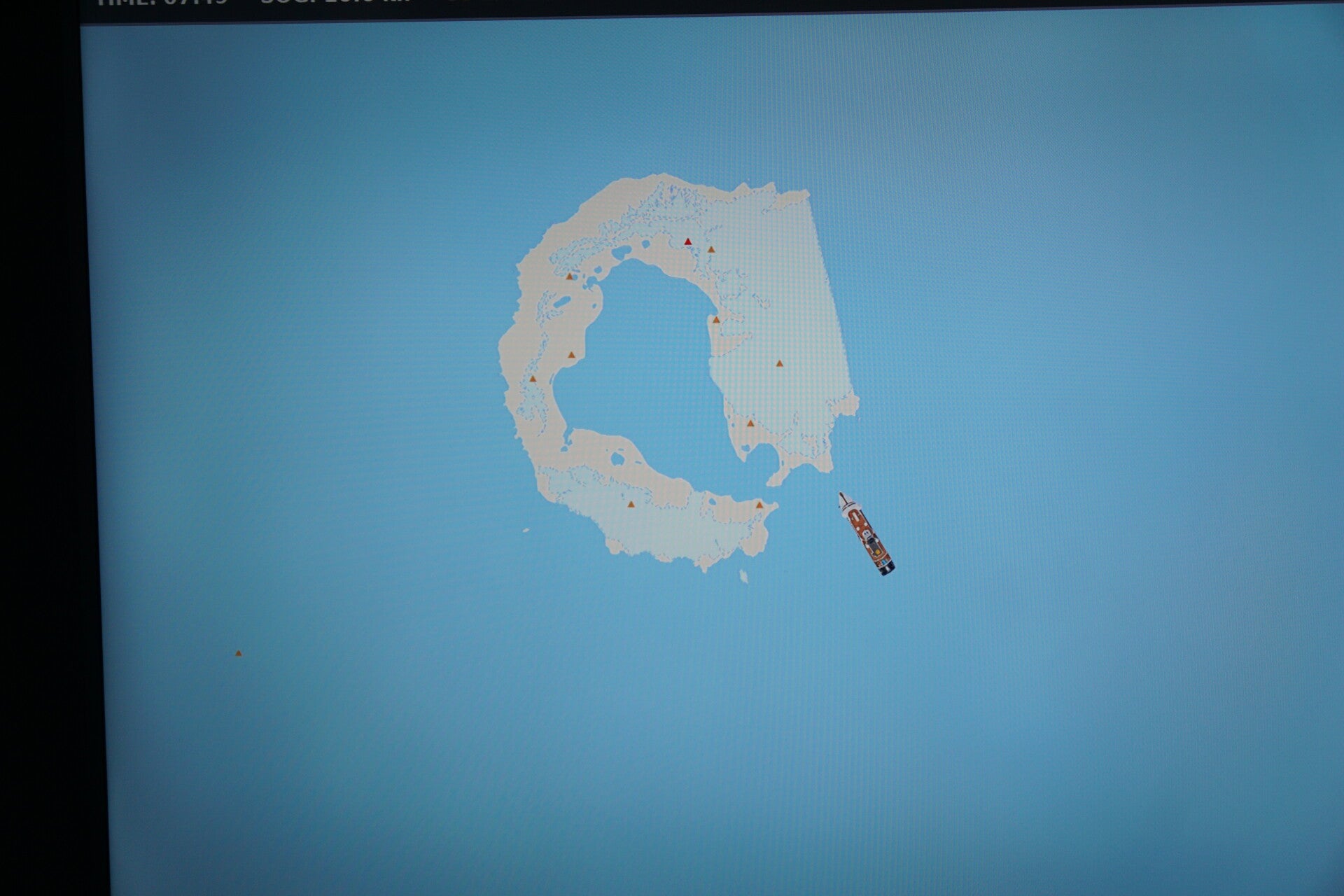
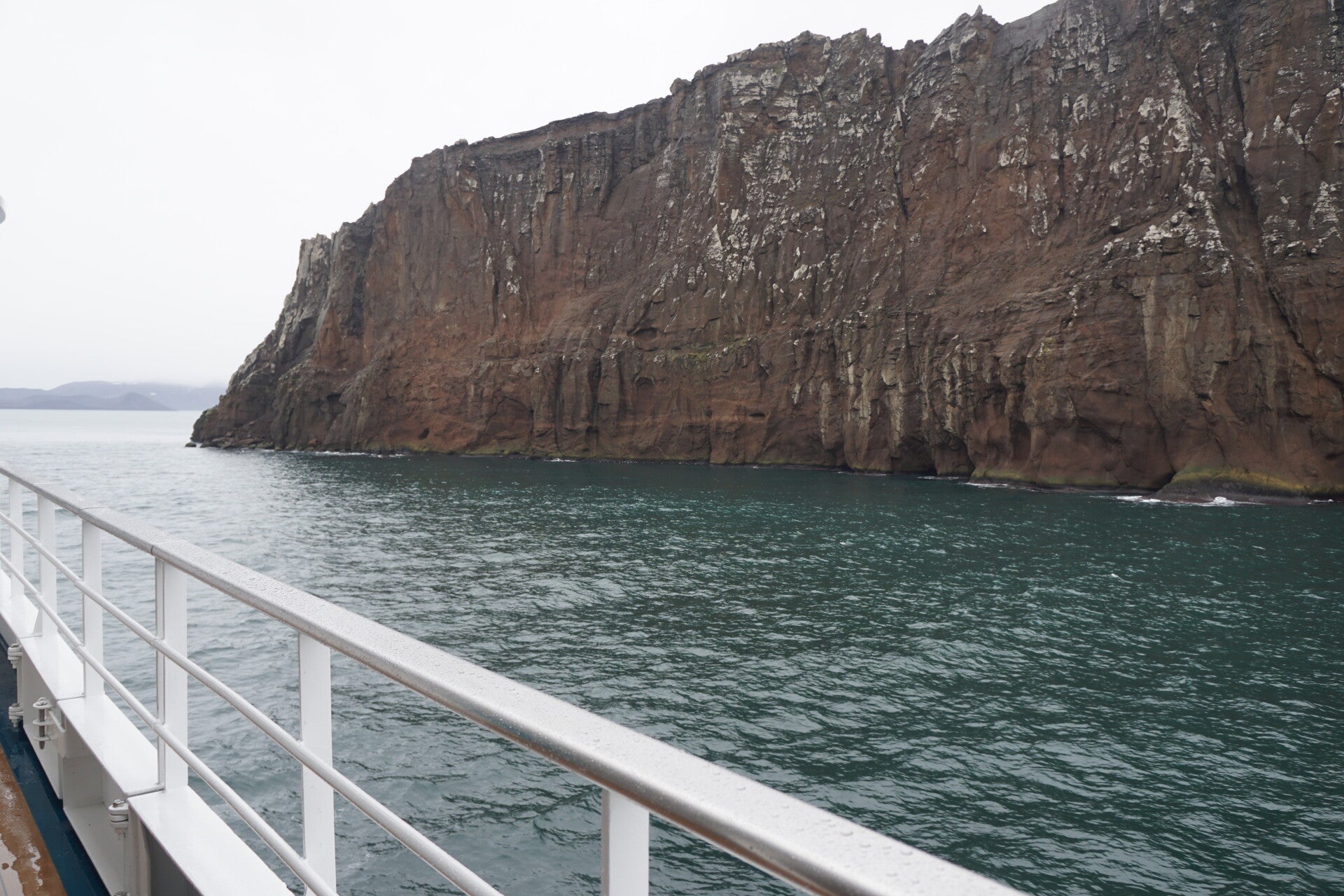
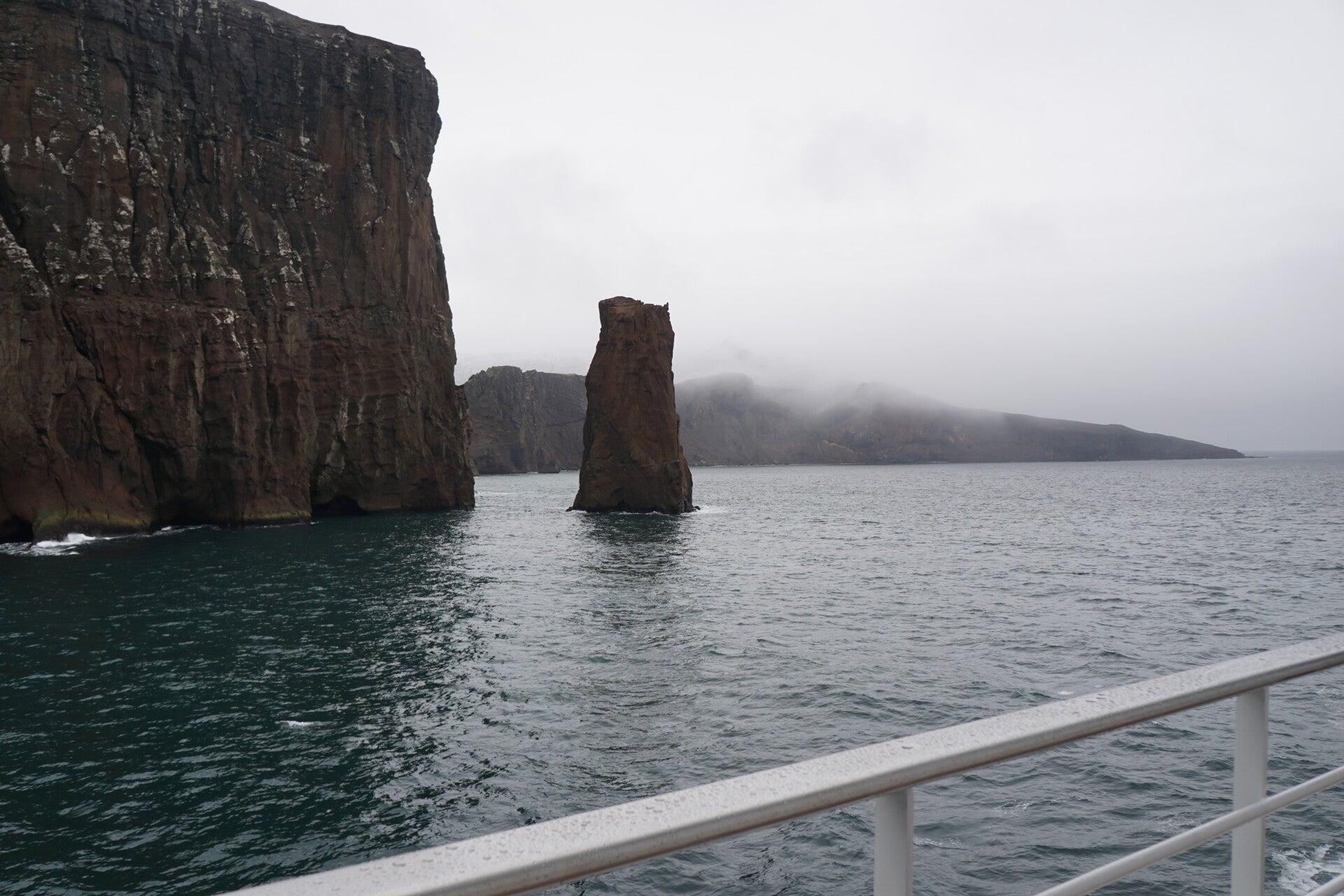
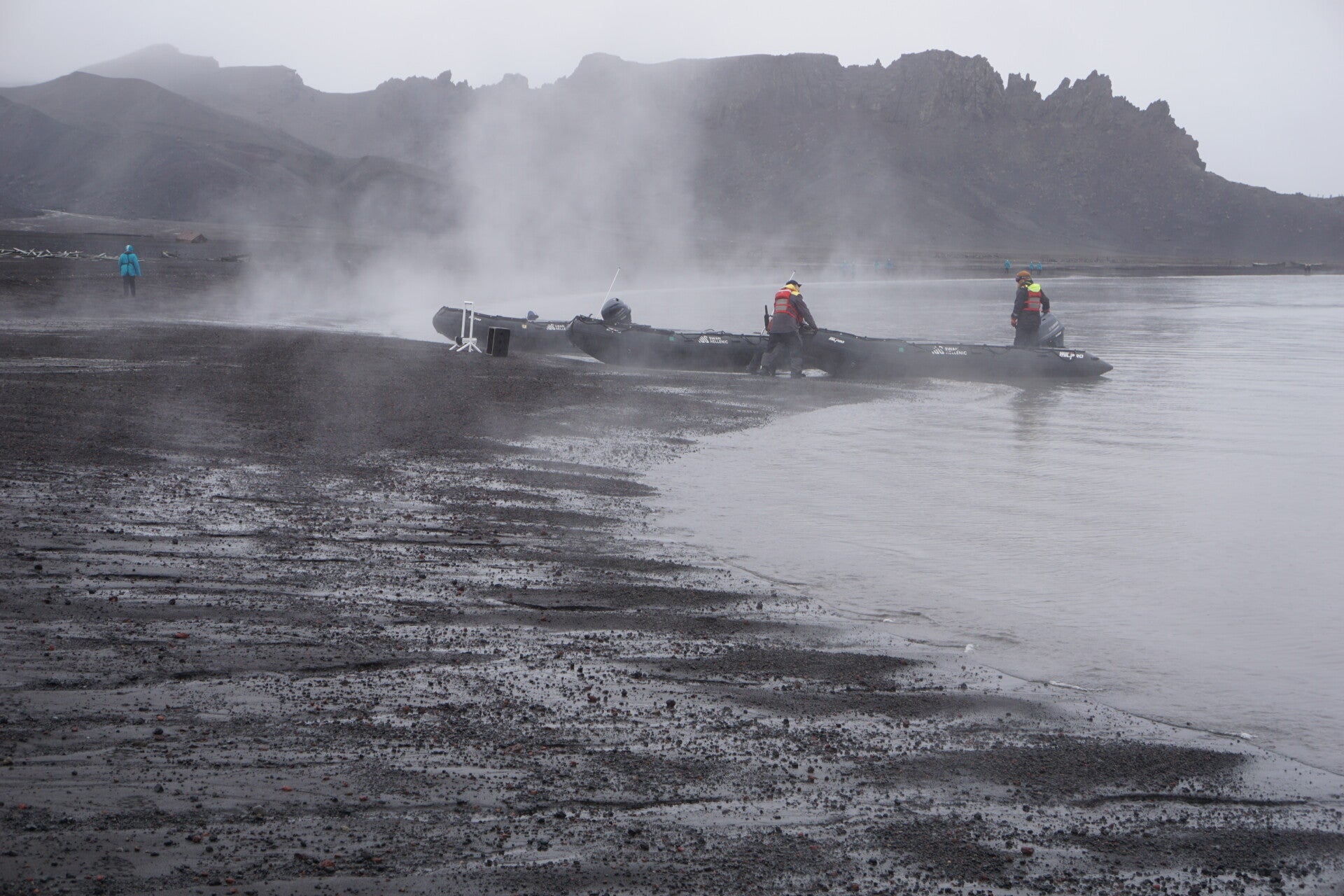
The Vega has been steaming (actually diesel-electricking - no steam involved!) North during the night at 14.8knots towards the most northerly archipelago of islands of the Antarctic Peninsula. We will be visiting Whalers Bay, a strange doughnut shaped atoll that was formed by a still active volcano, which is accessed via a very narrow channel. The Captain will need all his marine talents to negotiate this and arrive in the protected bay once used by, you've guessed it, whalers! 


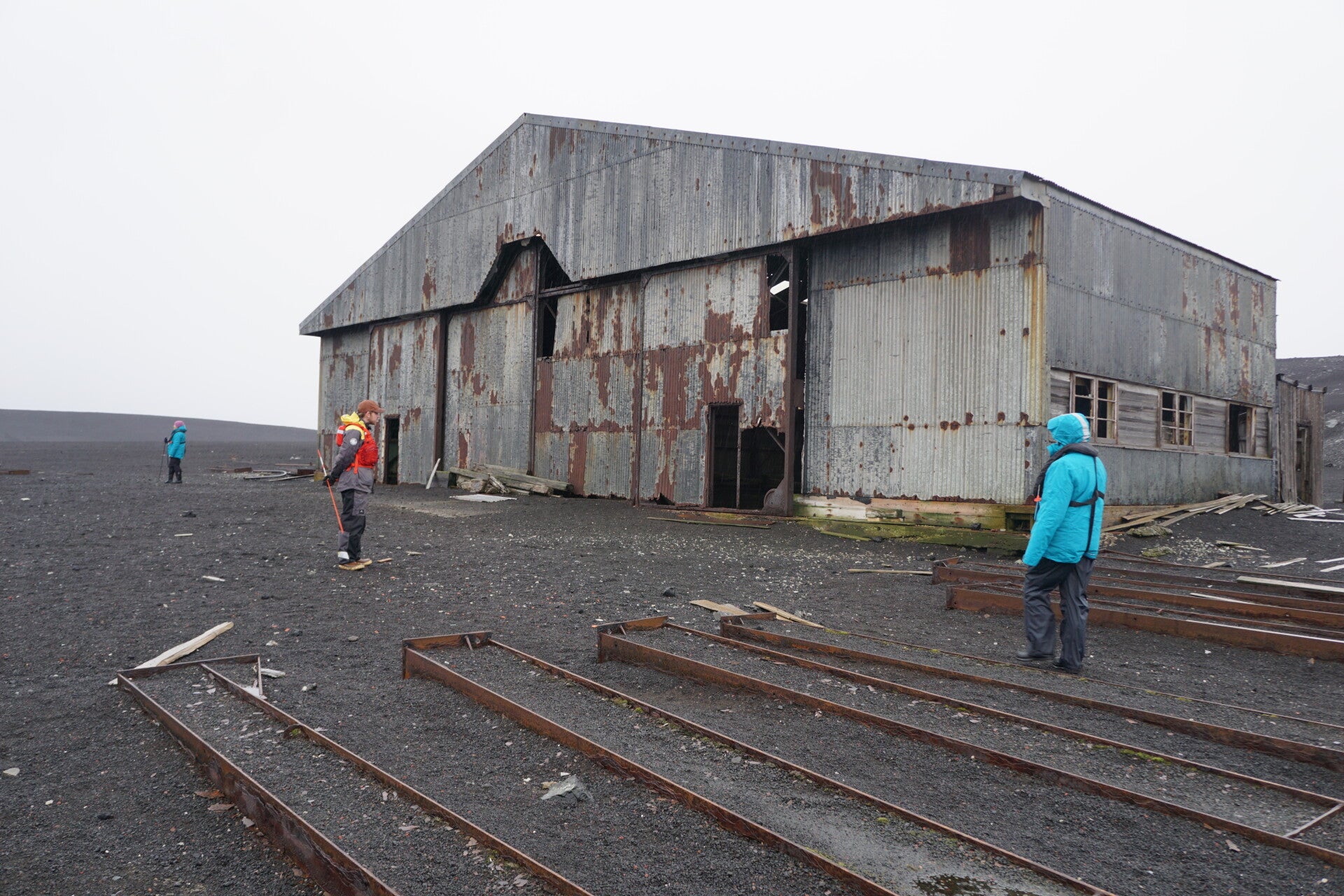
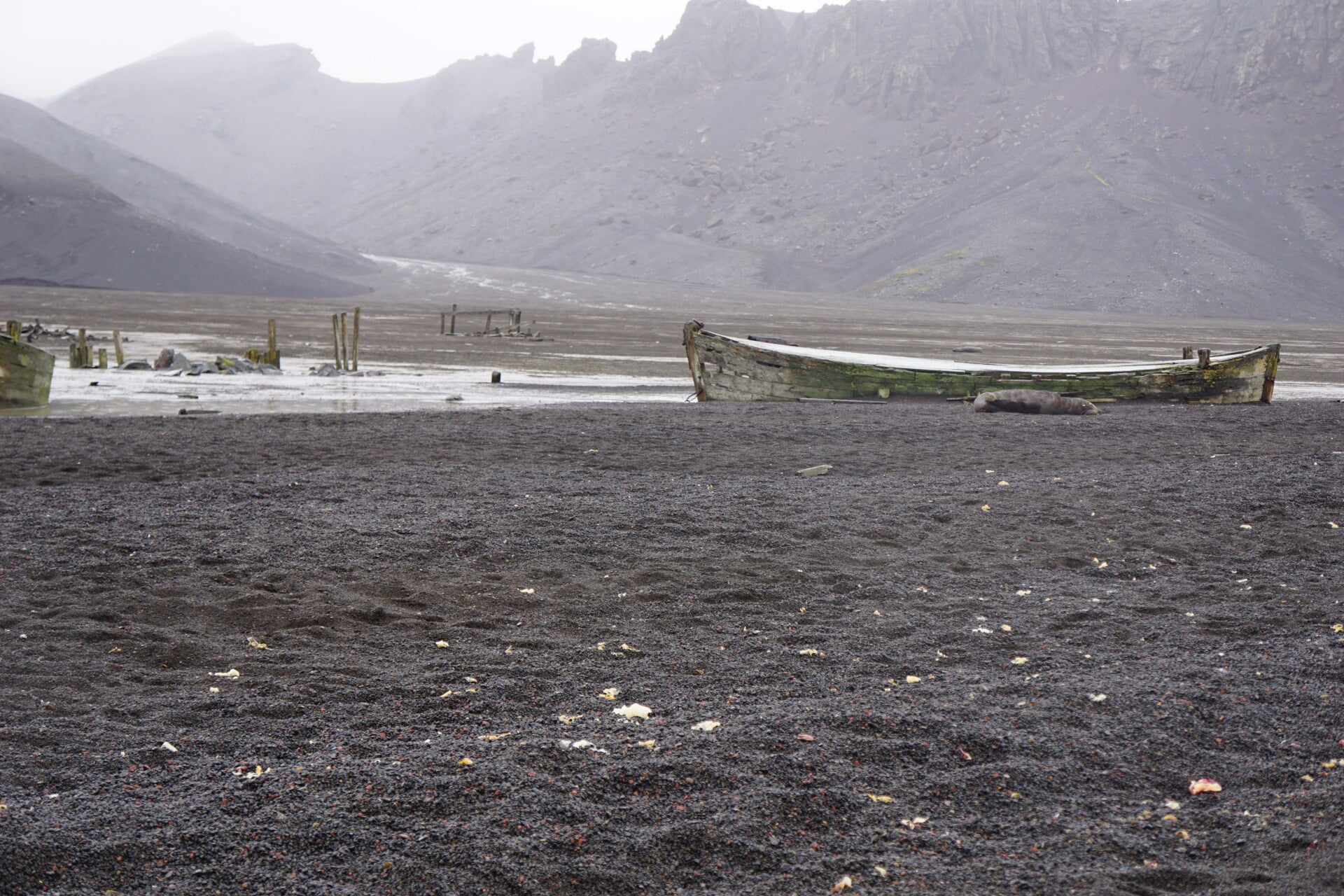
Whalers Bay was originally a Norwegian whaling station but when whaling was banned in Antarctica in around 1957, the Norges abandoned it and the Brits moved in and set up an early research station, building the aircraft hangar pictured, for Otter or Beaver STOL planes to operate there off the volcanic ash; it must have been challenging!

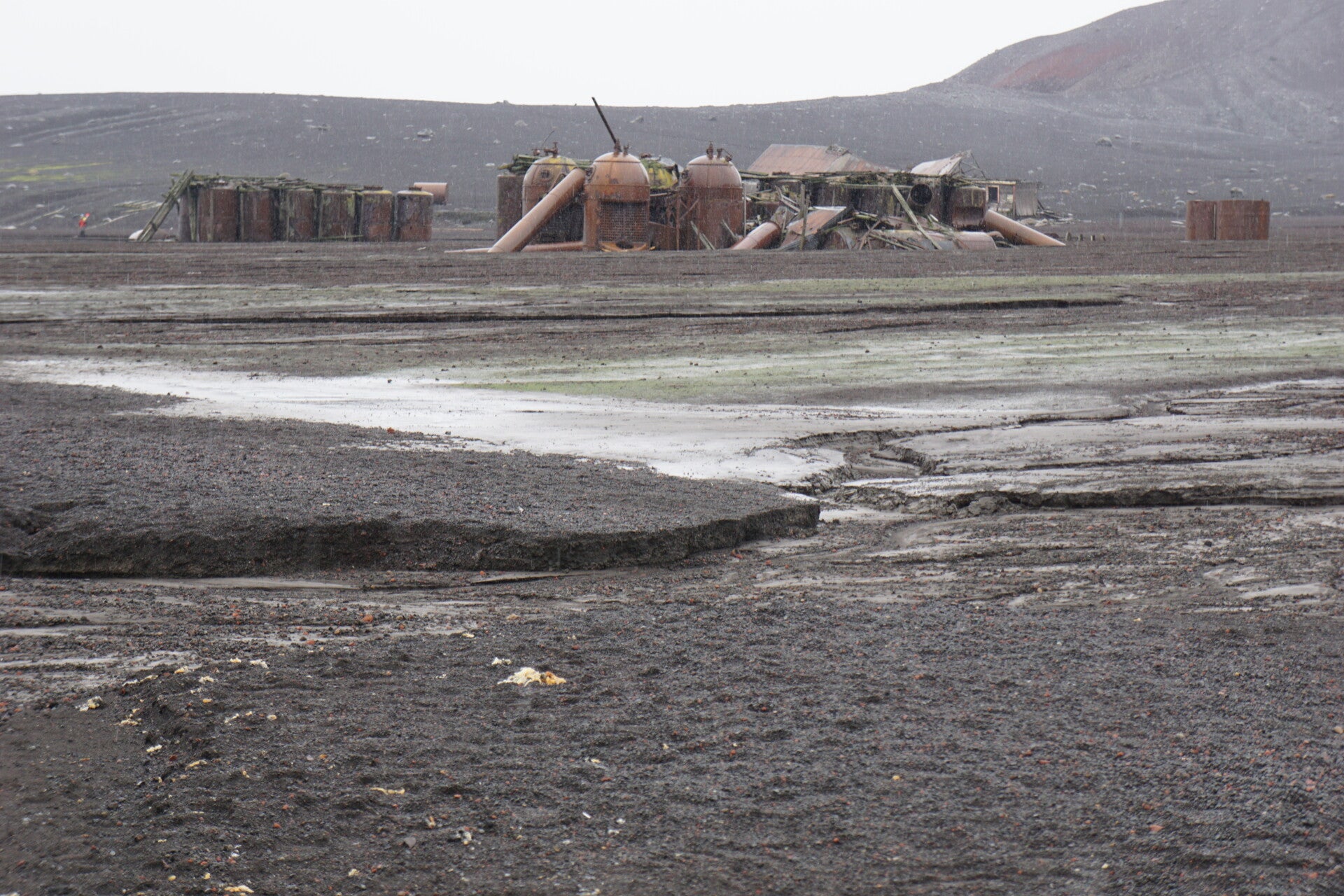
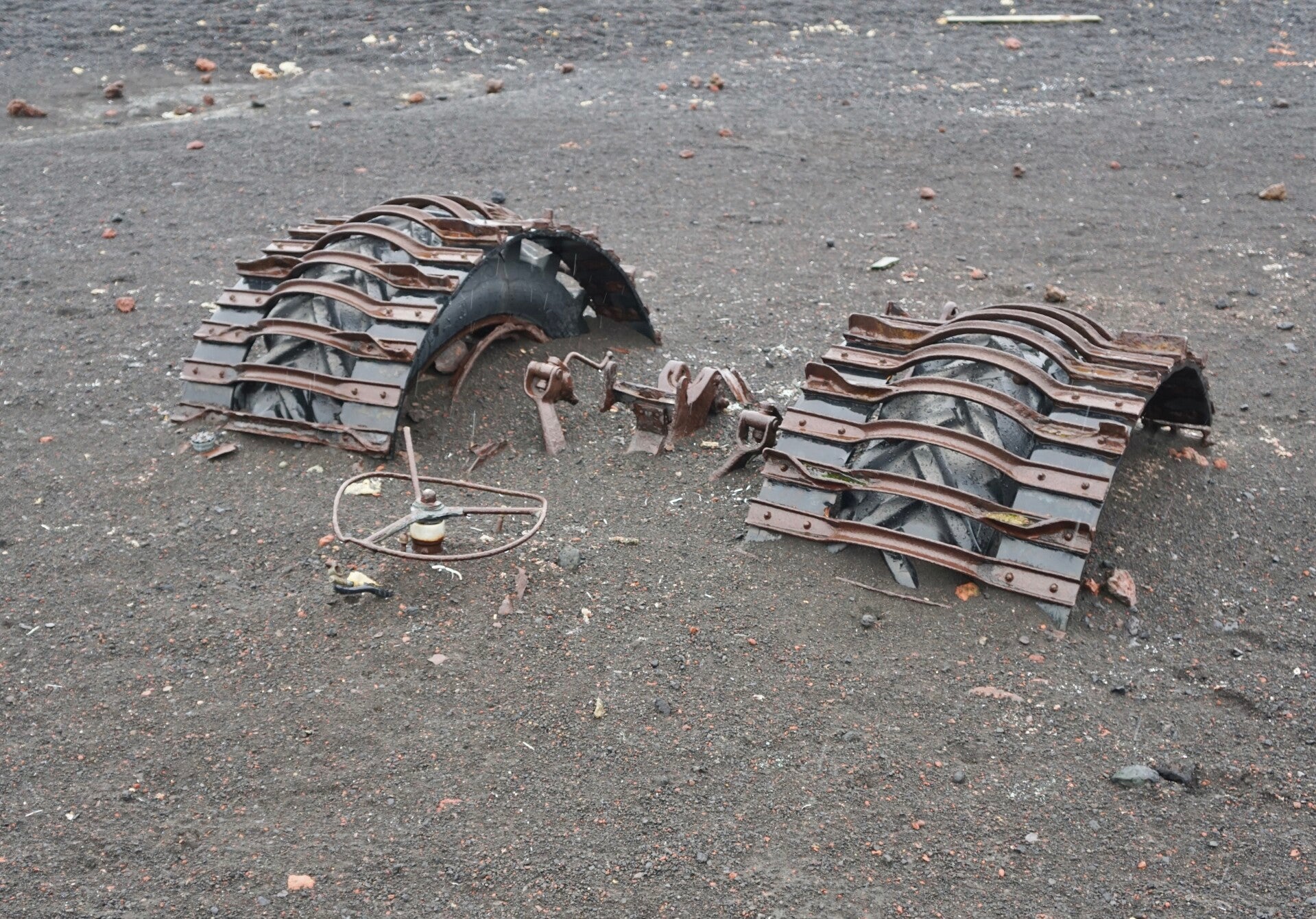
Now there are just sea lions and the rusting remains of the whaling activity. It is such good news that there is no more slaughtering of those beautiful creatures in the amazing environment. This one time tractor probably used to haul the carcasses up the beach for processing but was possibly engulfed by the last volcanic eruption in 1969. 

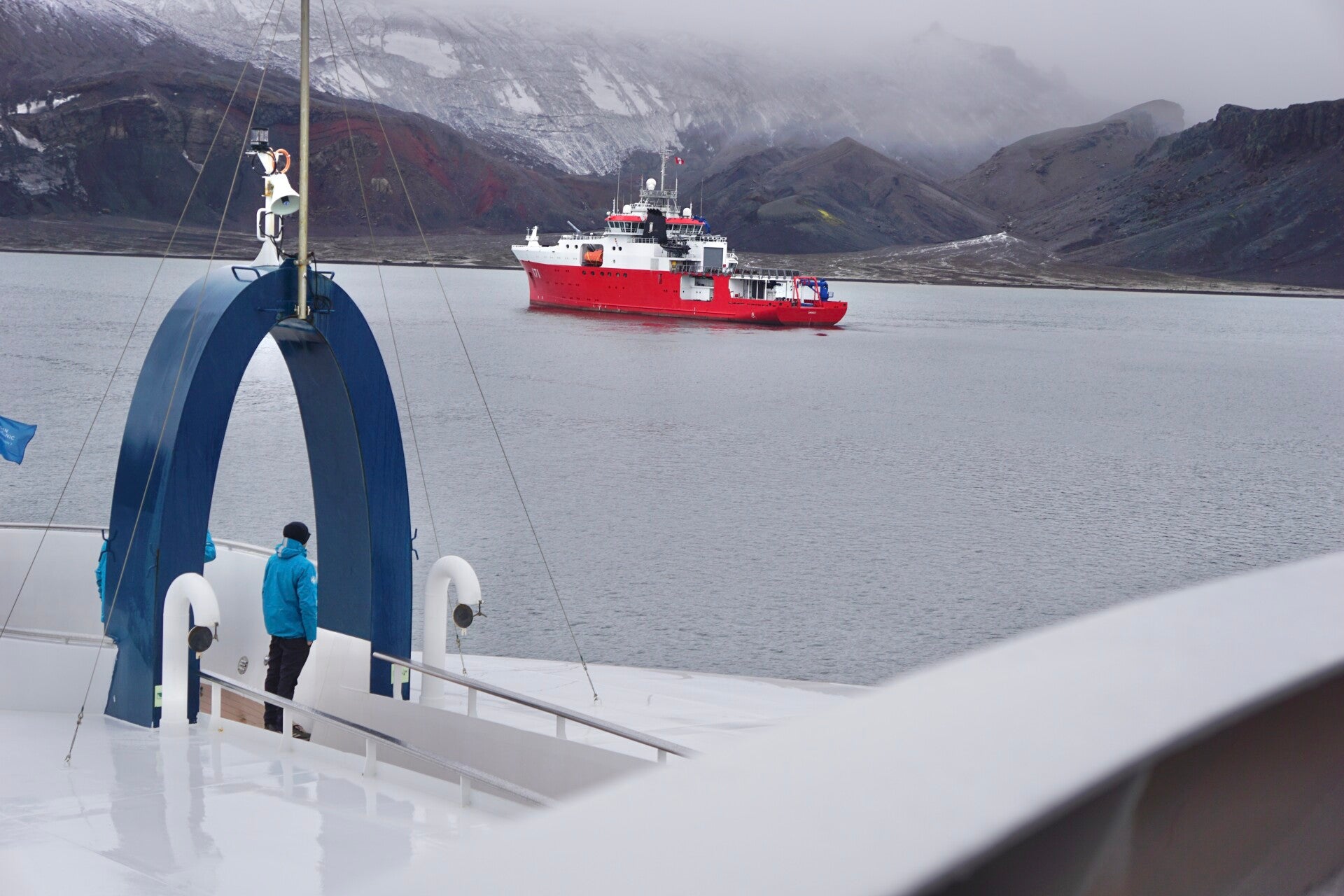
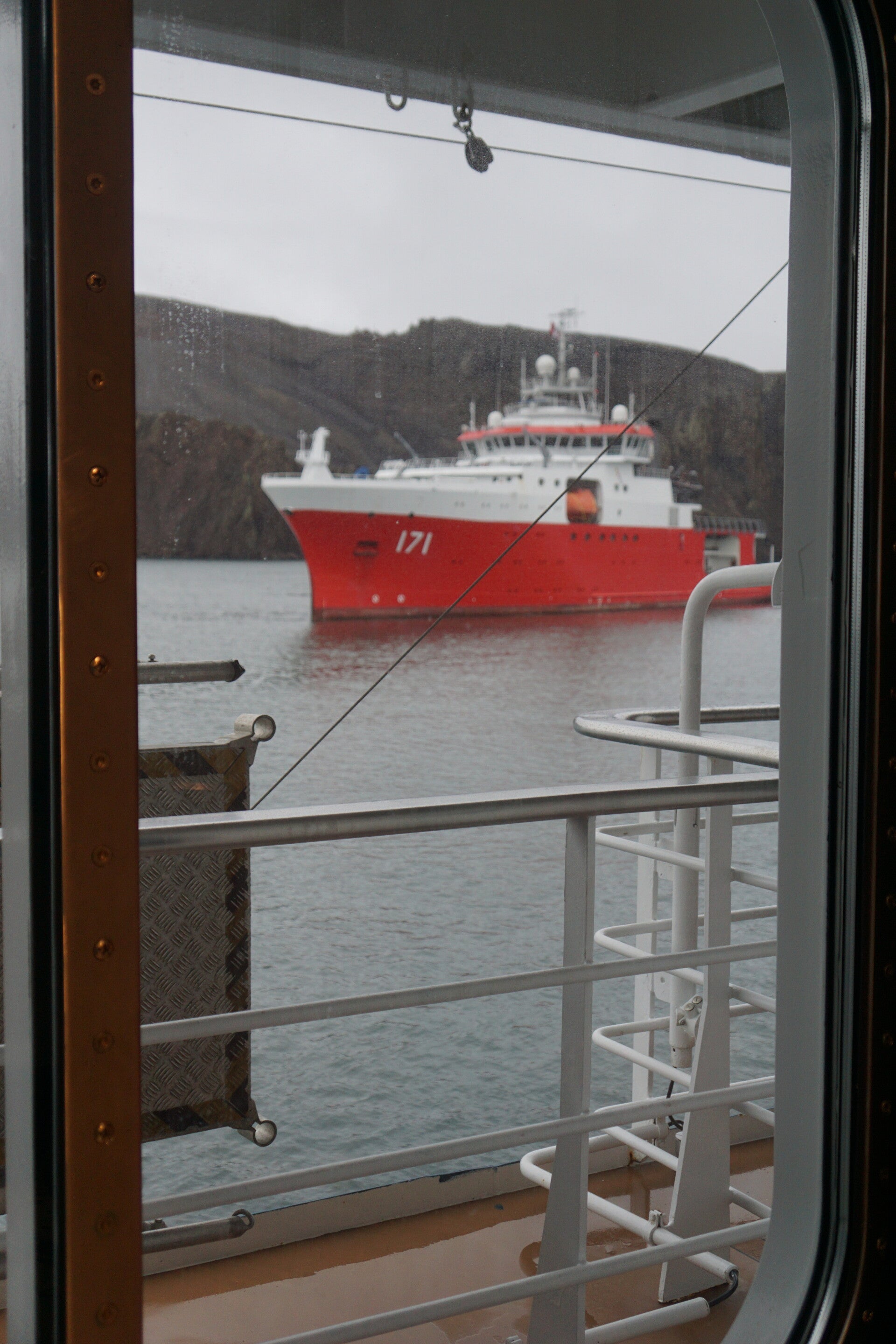
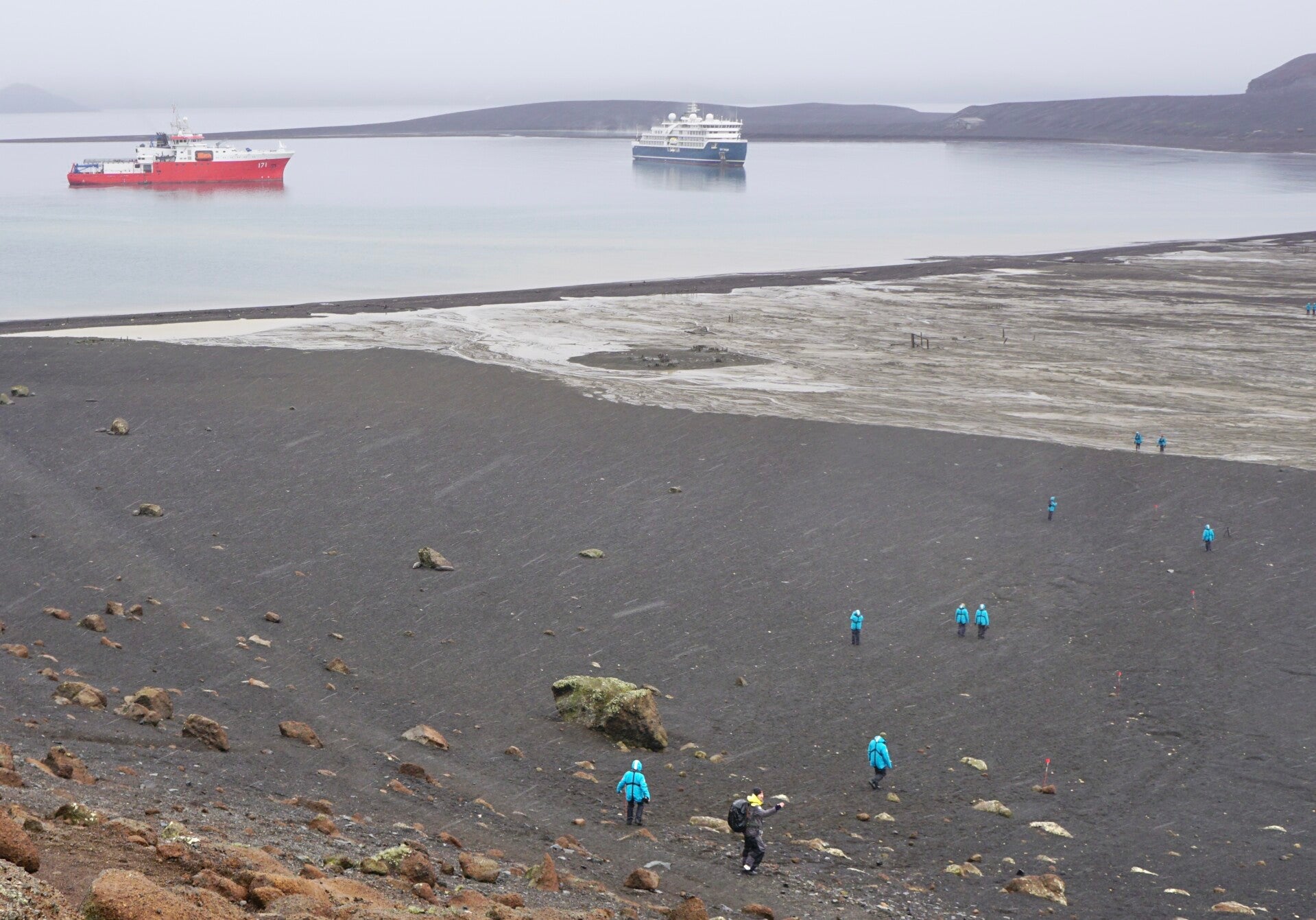
The red-hulled vessel is a Peruvian research ship, the Carrasco, that is 10 years old and whose mission is to perform oceanographic research in both in Peruvian waters and in Antarctica, in order to fulfill Peru's commitment under the Antarctic Treaty. The ship is endowed with technical capabilities for activities of hydrography, oceanography, marine meteorology, and marine geology. I was told that they also carry out seismological studies to help determine when the next volcani eruption is likely!  

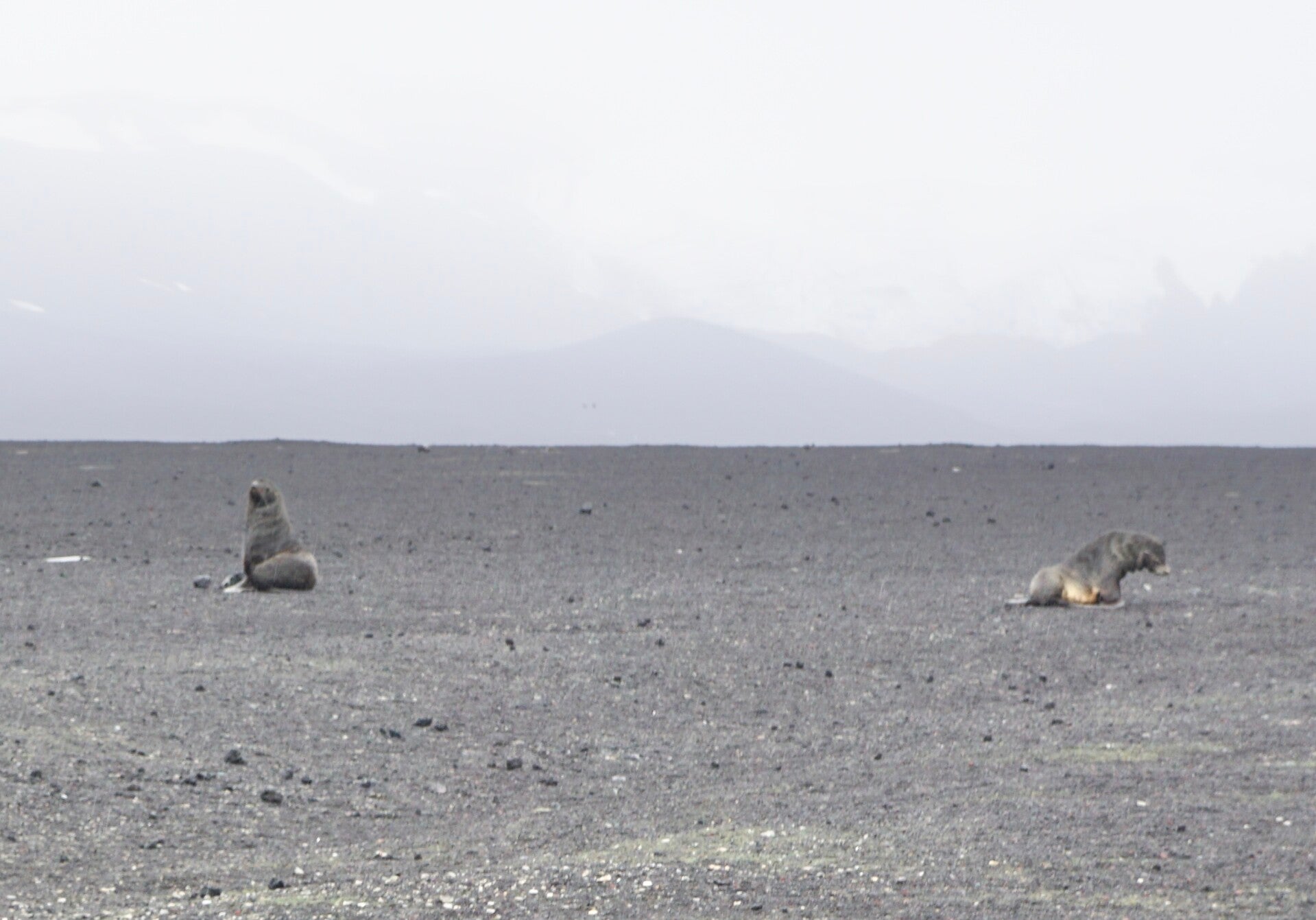
In the meantime, the sea lions are contented with their habitat and seemingly oblivious of their visitors. 

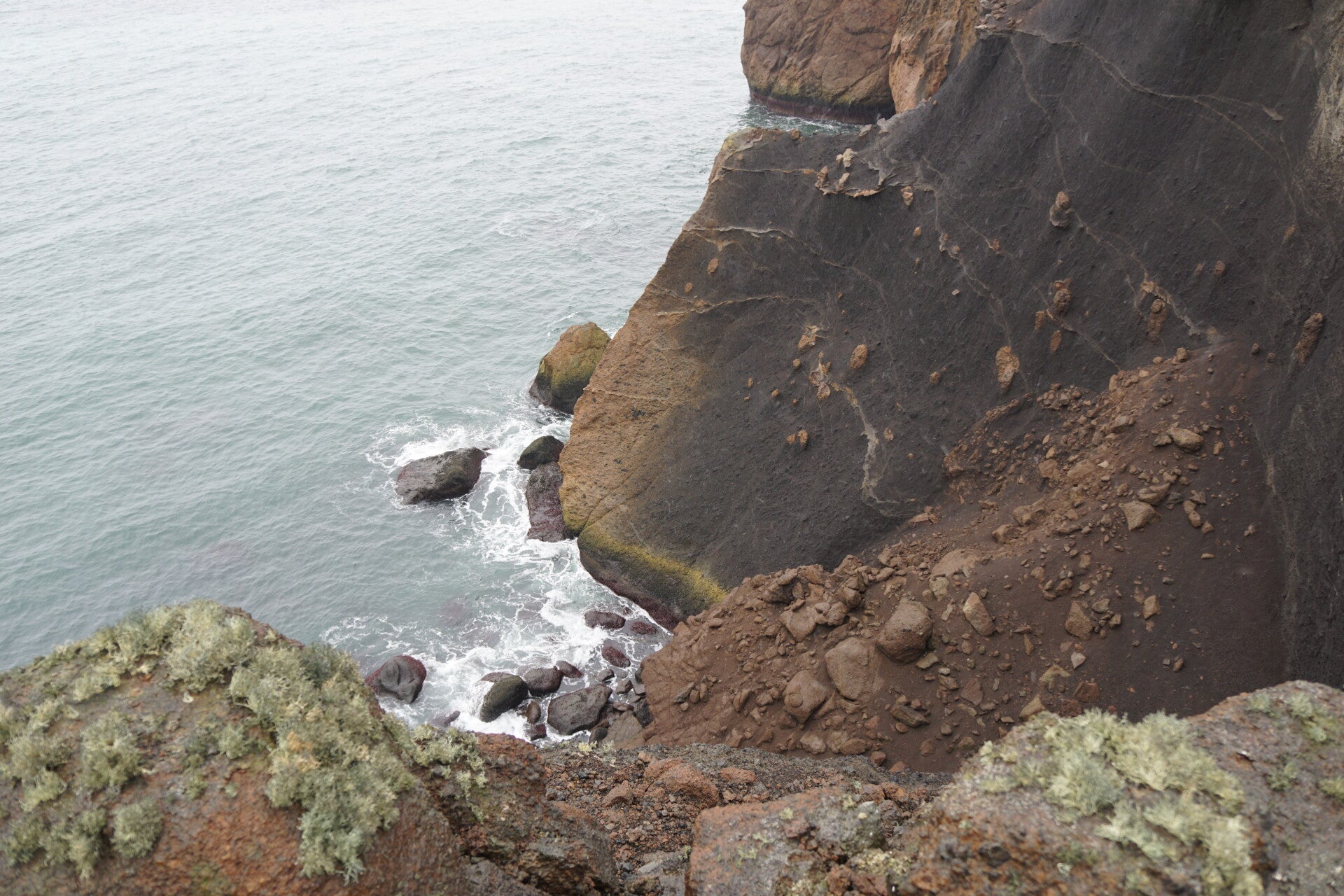
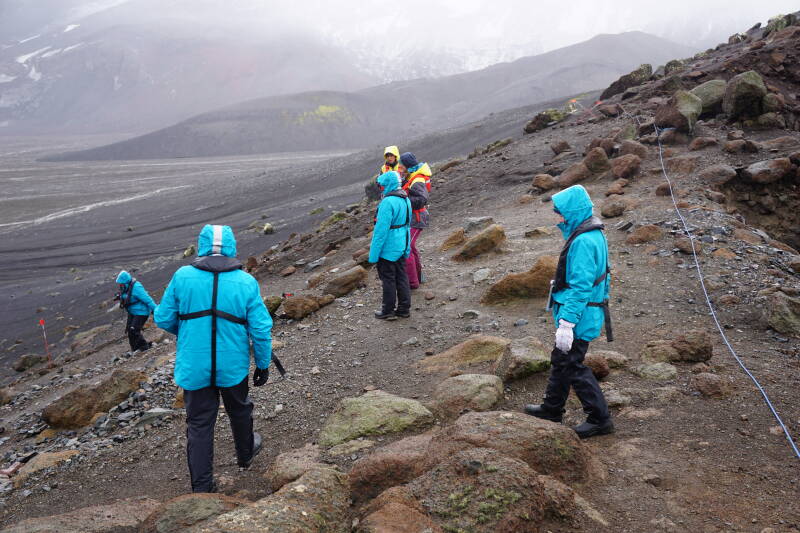
Before leaving Whalers Bay, we were encouraged to climb a volcanic scree slope up to Neptune Point from where there are spectacular views of the geology and topography of this bleak landscape. However, one redeeming feature is that the shallow waters are warmed by the volcanic activity below and steam rises and creates a really spooky atmosphere!

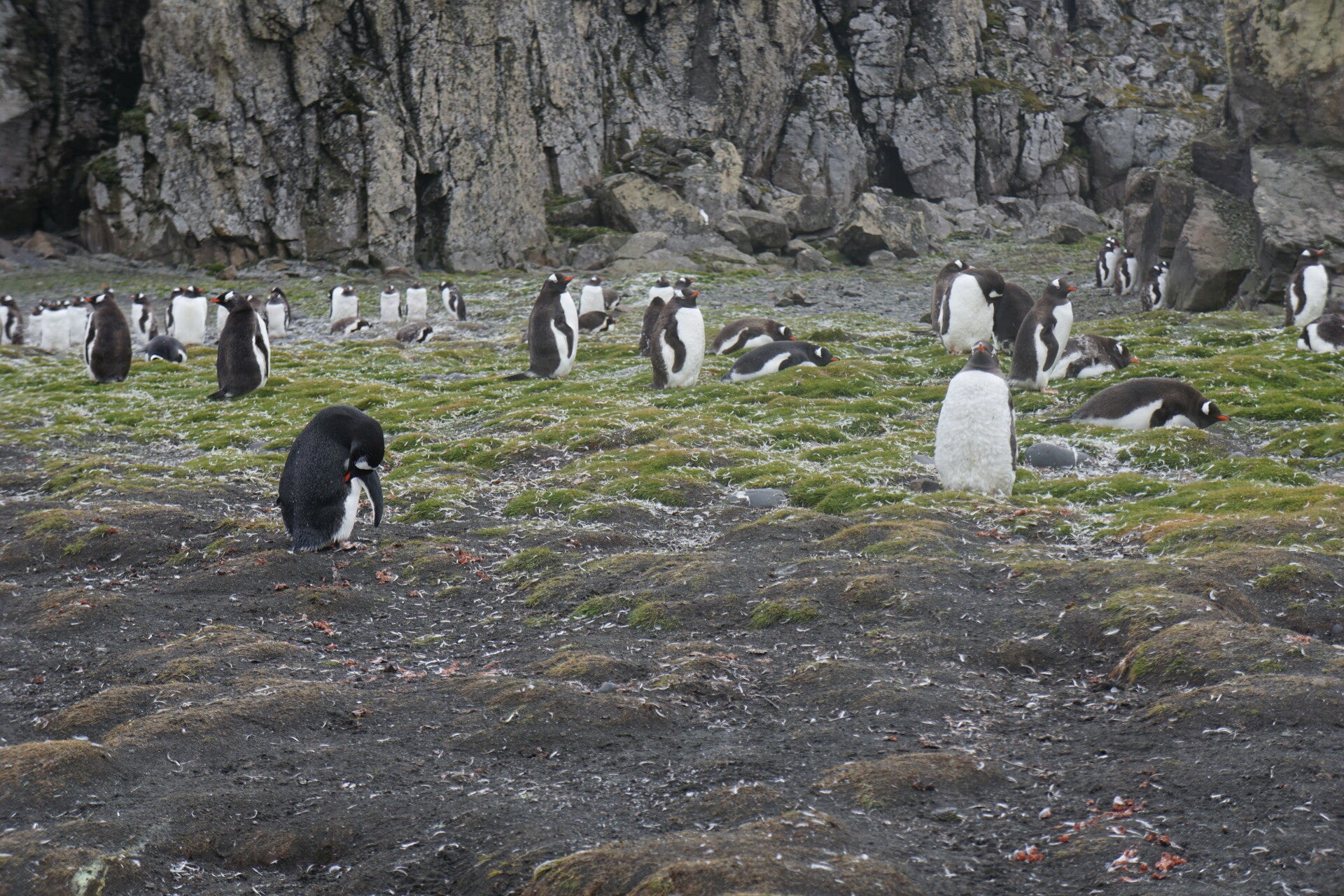
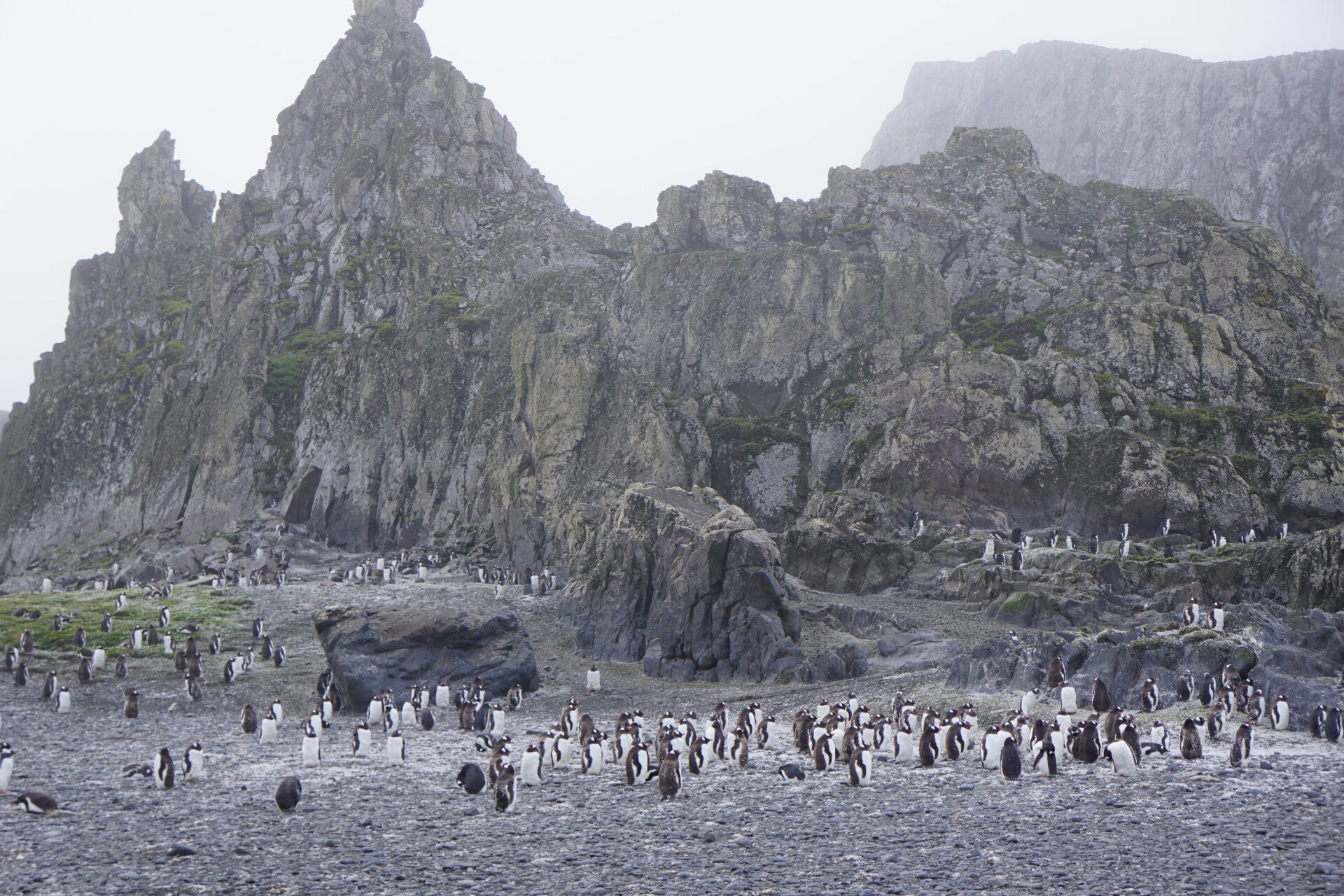
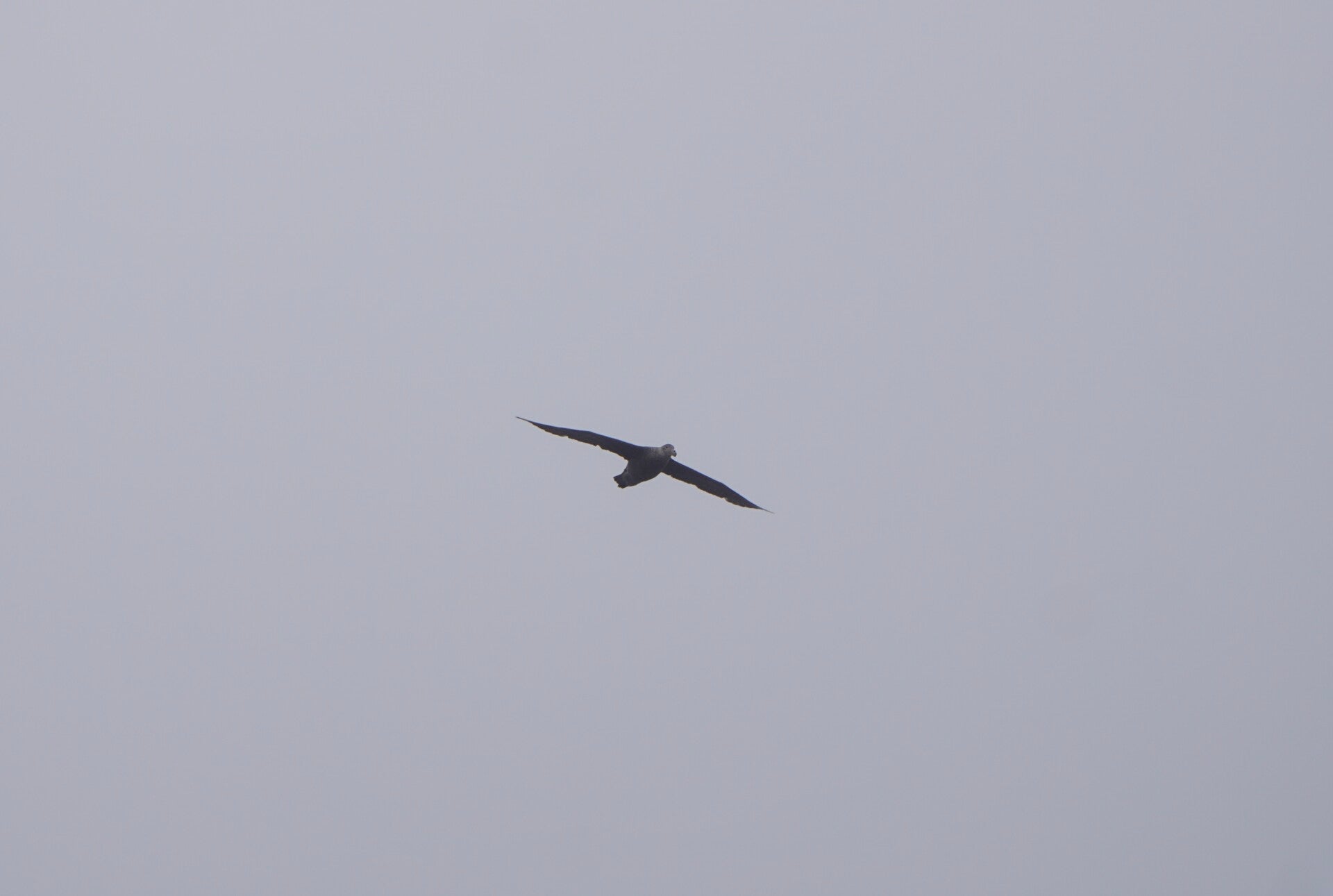
The very last shore safari!  After the customary good lunch, we 'layered up' for the last time to go ashore at Elephant Point. It was foggy as we boarded the Zodiacs and we could not even see the beach, which was slightly concerning . The wind was blowing well and what felt like sleet was lashing as as the bow hit the oncoming swell. Very suitable conditions to round off our Antarctic adventures. Still, we made it to shore with a bit of a splashdown and were greeted by simply thousands of Chinstrap and Gentoo penguins and Giant Petrels flying overhead.

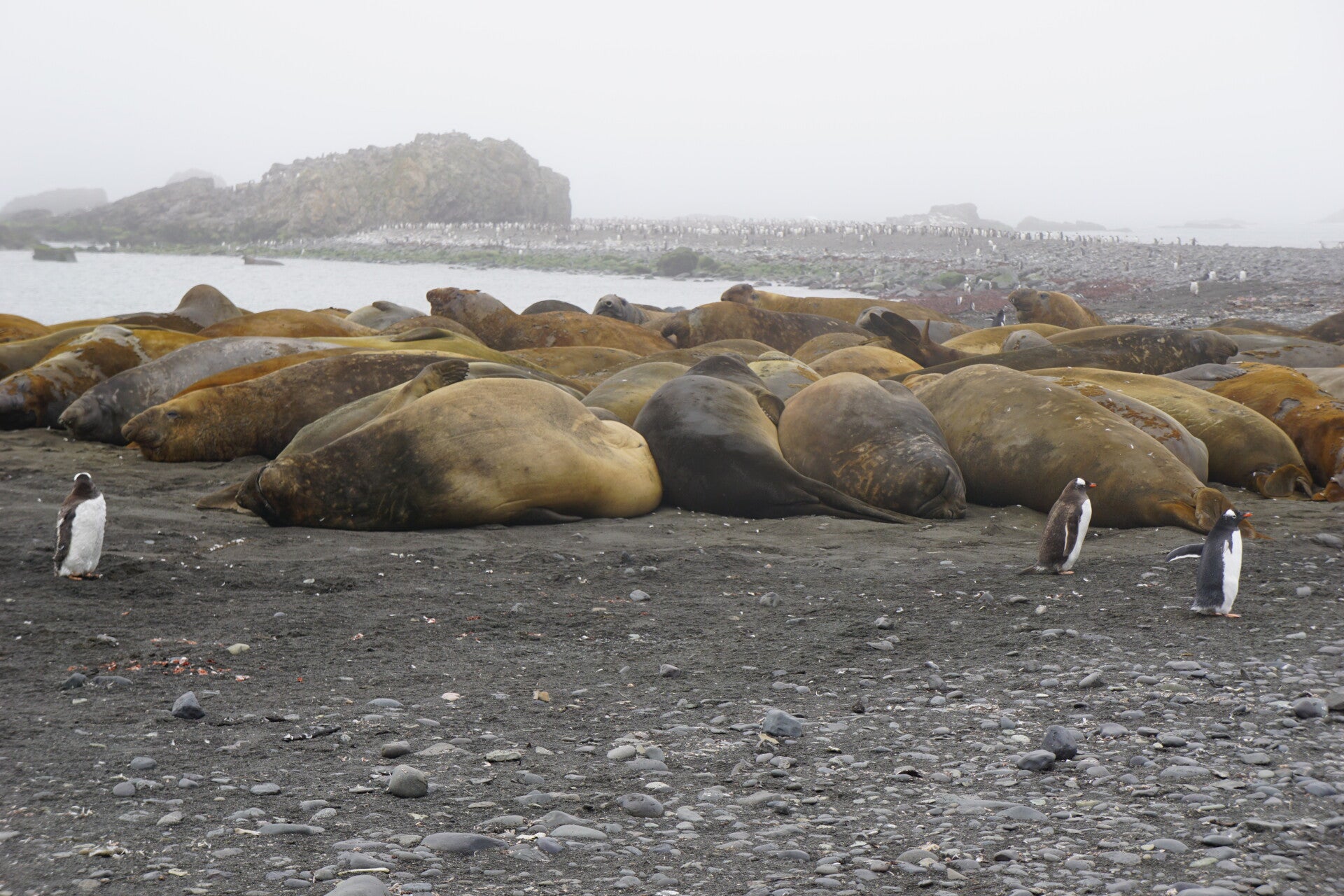
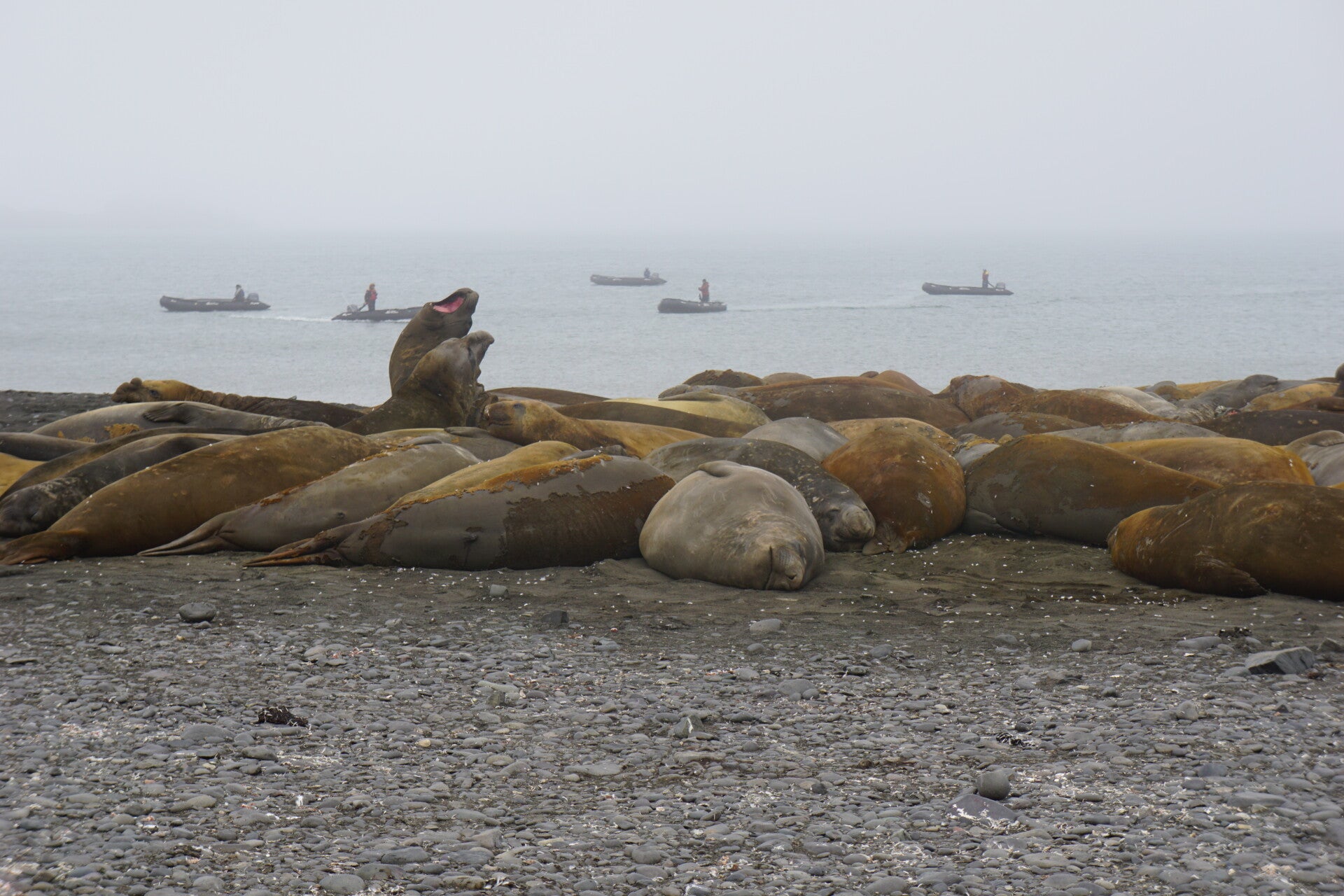
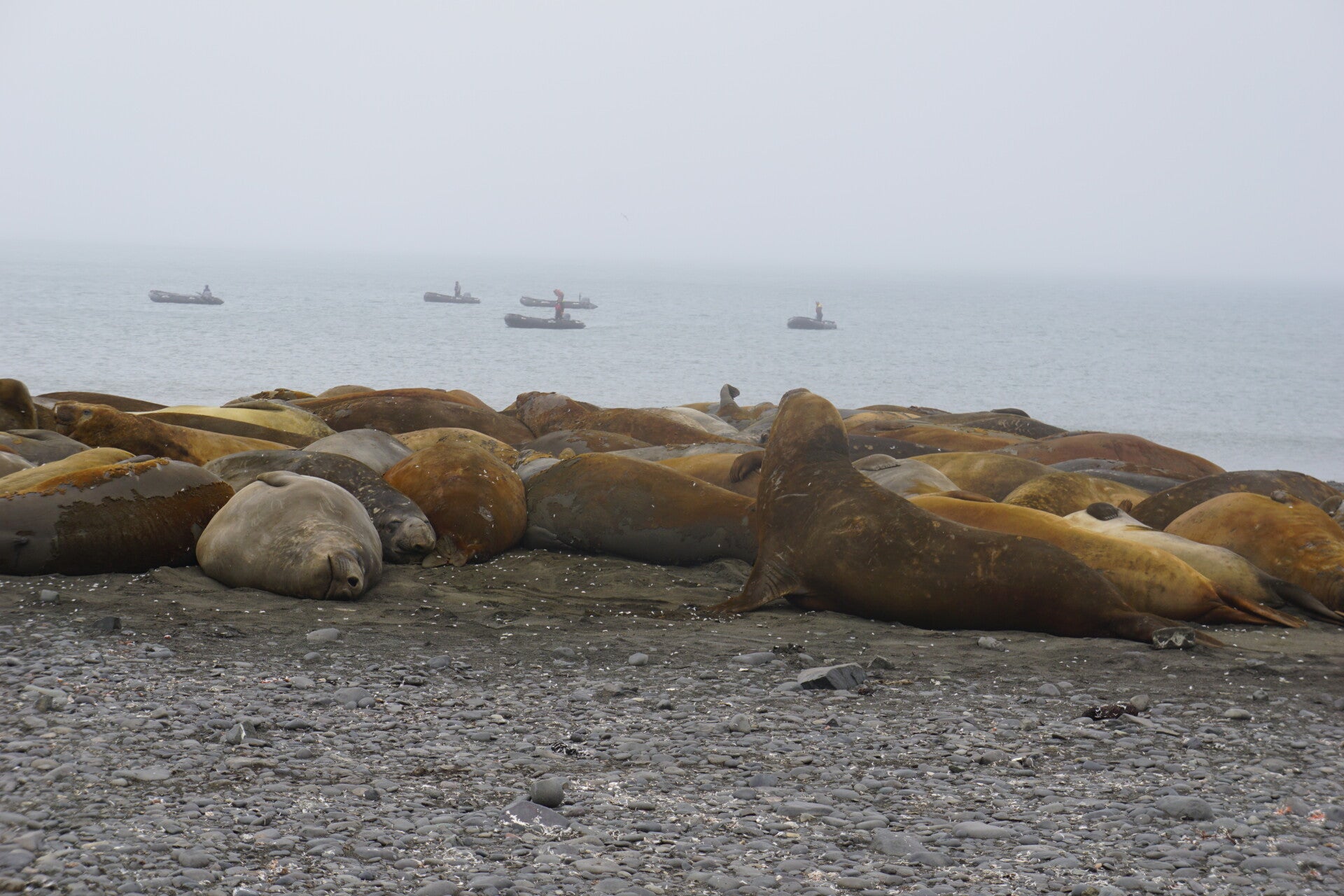
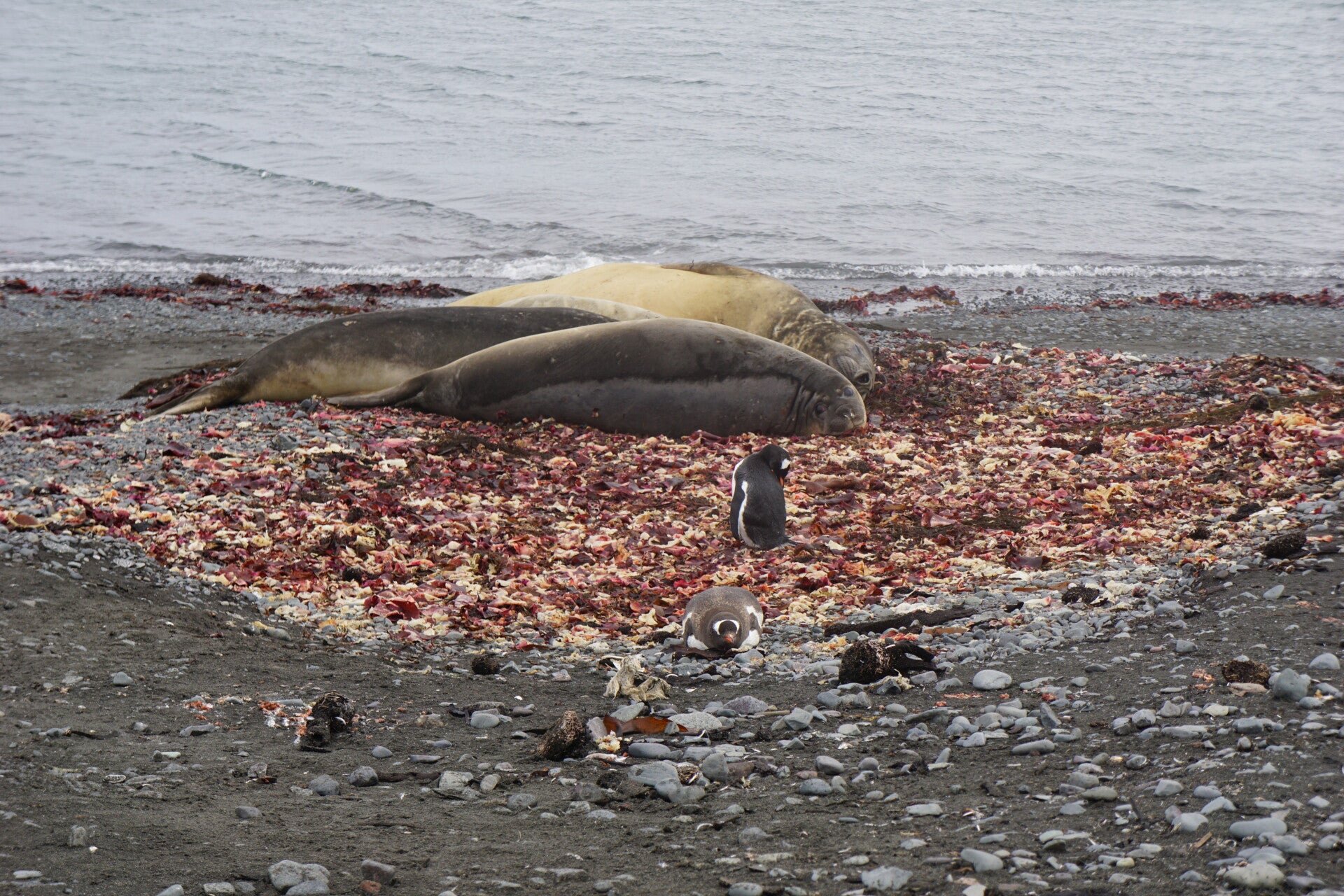
However, the stars of the afternoon show were definitely the Elephant Seals.  Very impressive but dead ugly and rather bad tempered! They seemed to be snuggling up quite peacefully but every so often there would be grunt and or a roar and one or two would rear their heads, have a quick boxing match and then lie down again apparently feeling better about things. 

2 March. Back across Drake's Passage.

After a fairly boisterous dinner and subsequent session in the Observation Lounge Bar last night, I was fortunate to awake just in time to capture this shot of an Antarctic sunrise at 06:15 local time. I then went back to bed for another hour or so!  The weather forecast for our northbound voyage  that we were given by Richard, the Expedition Leader, at his daily washup /debriefing yesterday has proved to be spot on today. We are heading 345deg (~North West to non-navigators!) at 14.5 knots into virtually a headwind but of only 12 knots in strength. That is absolutely ridiculously calm for this normally stormy stretch of ocean and has resulted in sea swell of lest than 2m.

There is a lecture programme for us during the day so I must 'show a leg' as the sailors of old would say and get in to breakfast. The gym does not beckon me this morning; I can't imagine why.  Perhaps later in the day. 

The first of today's lectures was by Artem, an historian from Eastern Siberia, who gave an interesting account of the ships that have been involved in the exploration of Antarctica. During the earlier part of the voyage, Artem had been one of the Zodiac drivers and guides on shore that did not call on his historian's knowledge but this has certainly come to the fore now the expeditioning is over.


The next presentation was by Richard, our Expedition Leader about his previous experiences in the British Army as an ski and arctic instructor. His management of his team during the course of the voyage was excellent, having clearly done meticulous planning of all the runs ashore to give us an enjoyable as well as a suitably challenging but safe experience each time. However, he is a typical, rather cocky, ex-soldier who is clearly very skilled and courageous but also rather enjoys 'bigging' himself up. I don't find that style appealing. 


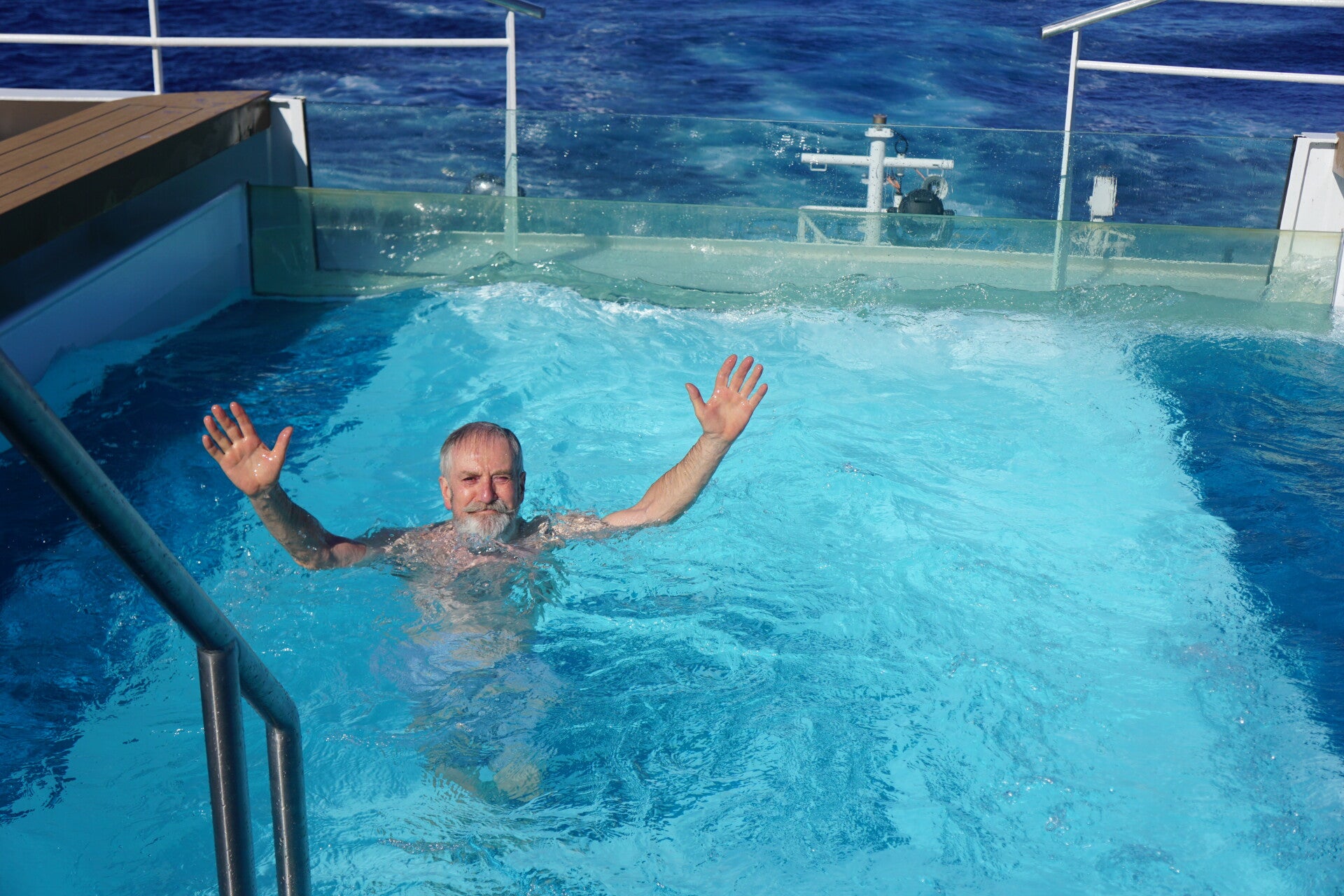
At the beginning of my long journey home, we are enjoying the sunniest, most calm crossing of Drake’s Passage in living memory so a dip in the sunshine had to be done! Really warm water, unlike the Polar Plunge but a chilly wind when I got out. 

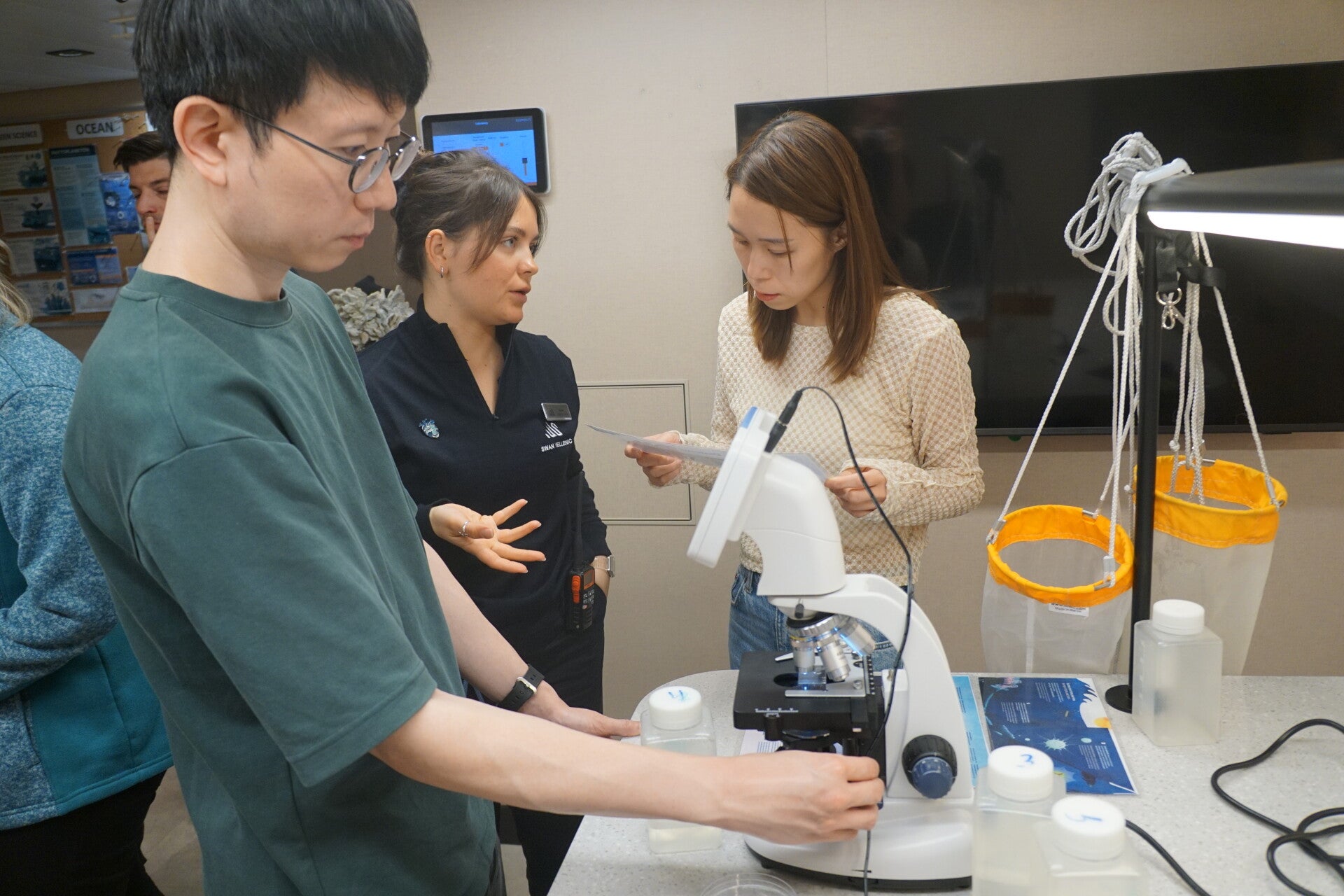
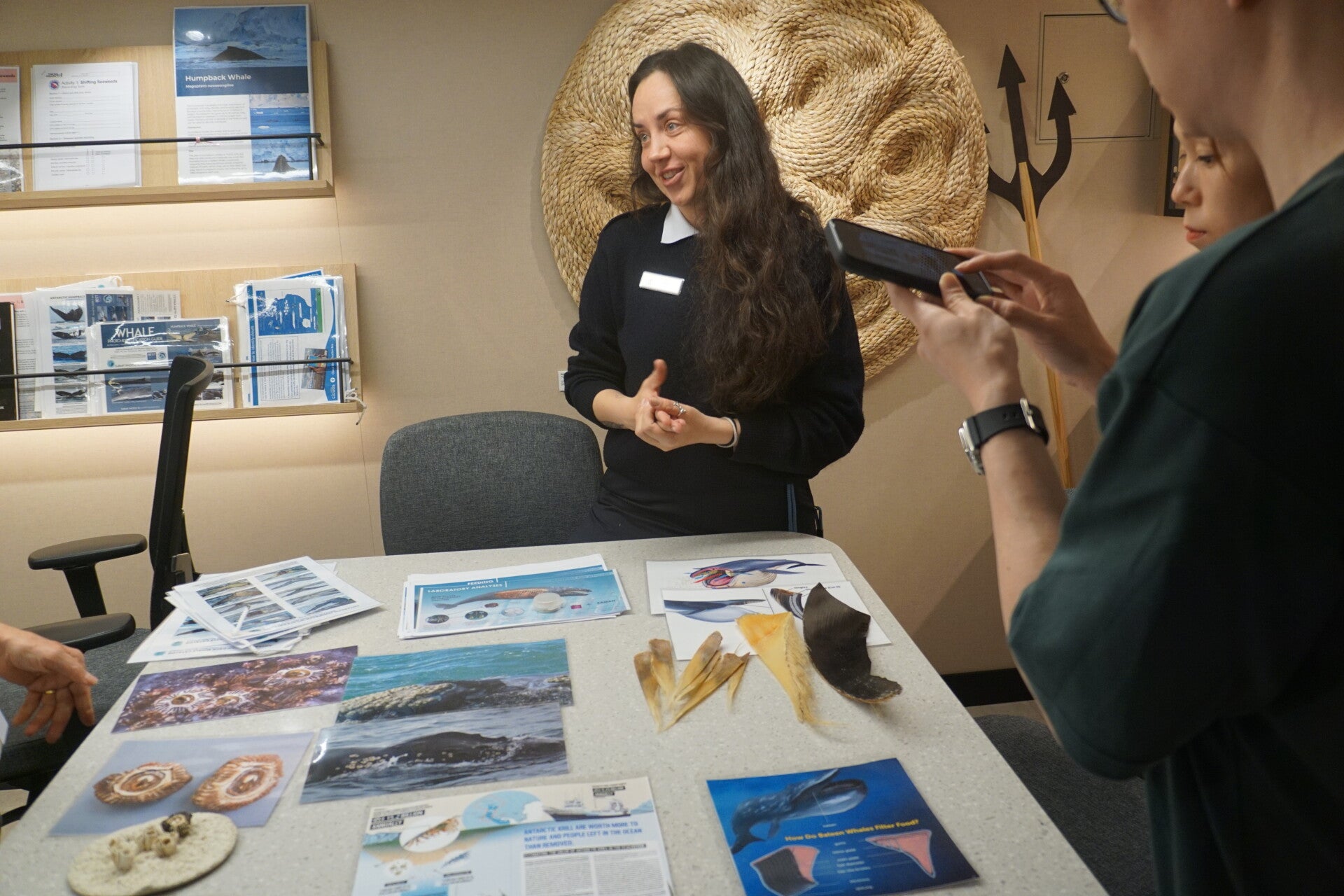
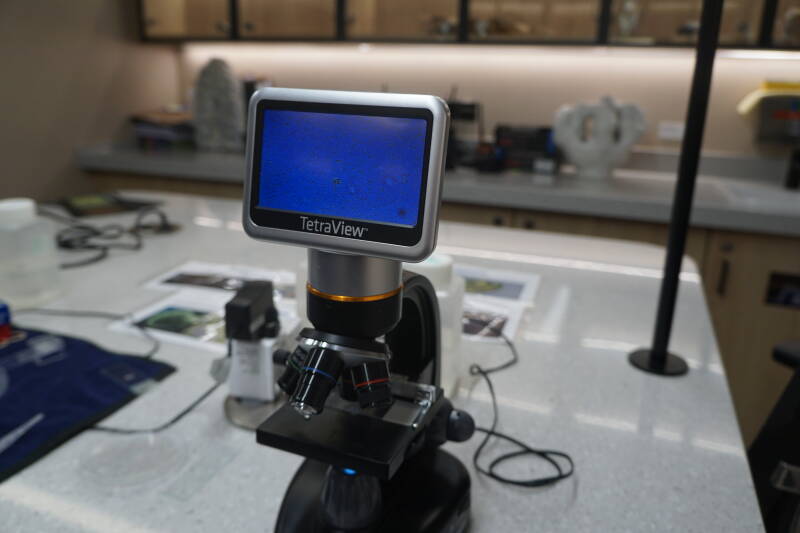
This afternoon, we were invited to visit the 'Science Lab' where two of the Team showed us displays of Krill, the tiny, shrimps that form the basis of several species of whales, who strain them from the gallons of water they take in, using assets if fine bristles in their jaws. We also looked through microscopes to see some of the many types of phytoplankton that are right at the bottom of the food chain and feed the krill!

3 March.  Homeward Bound: Elephant Point to Ushuaia. 


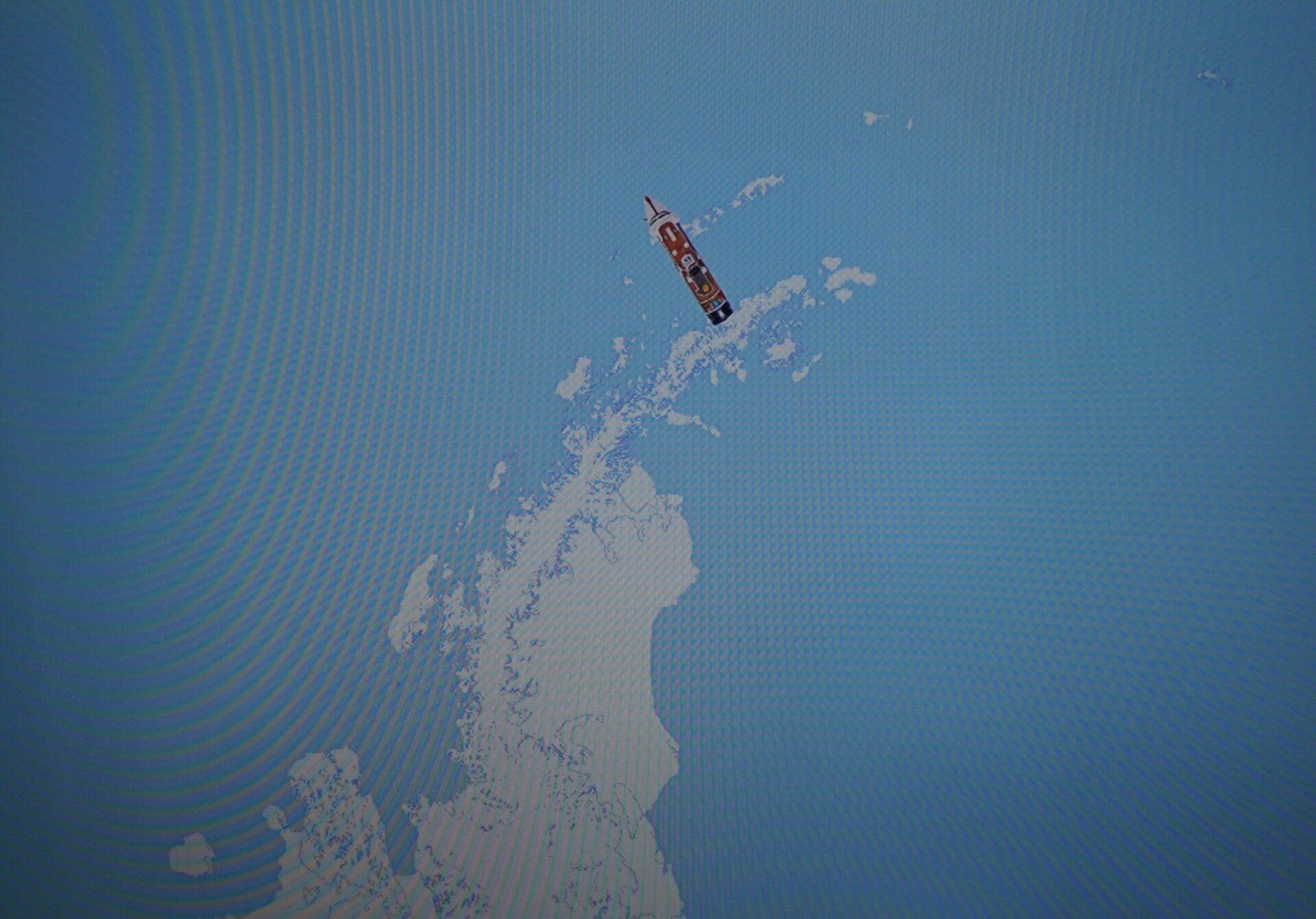
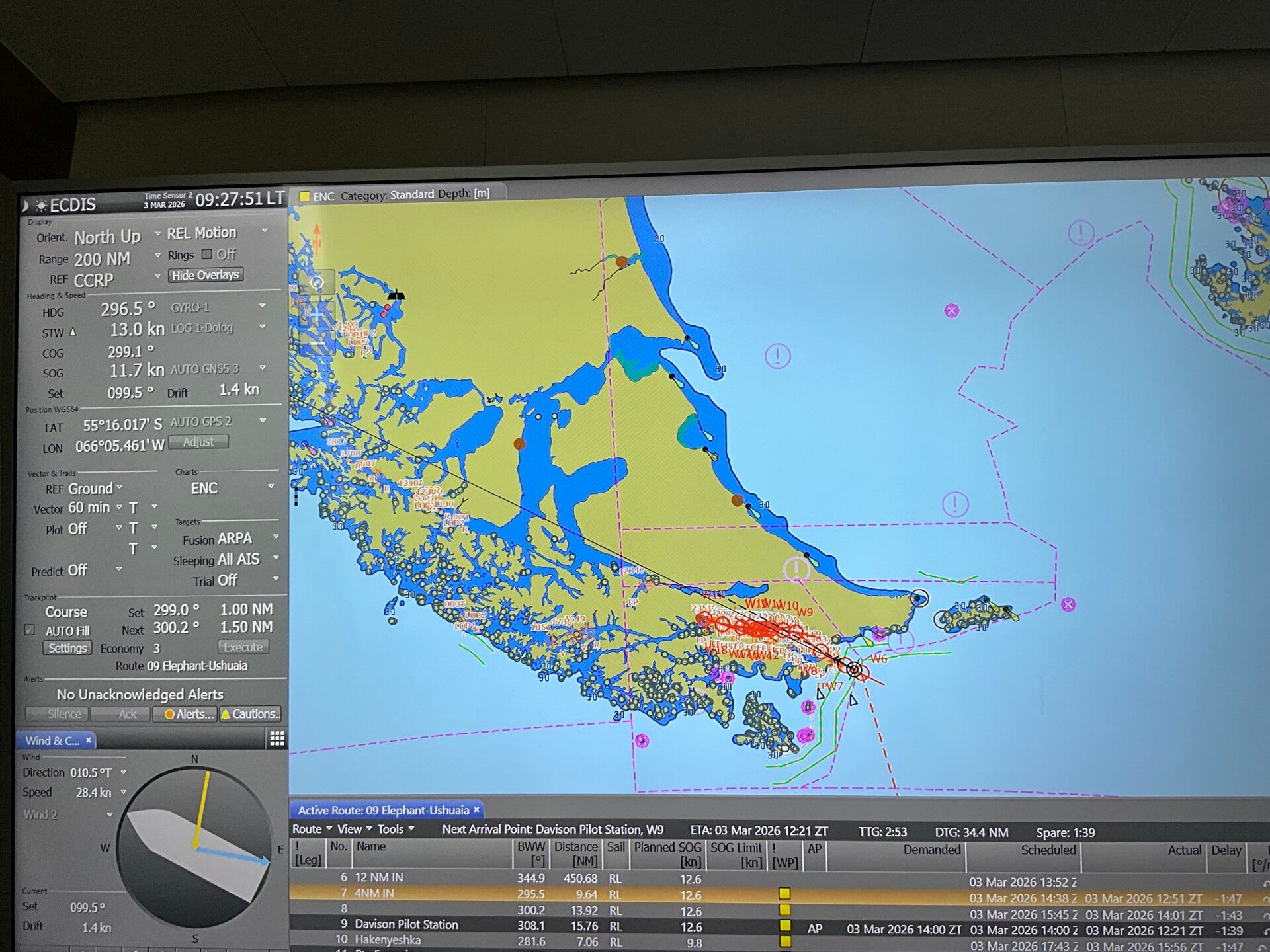
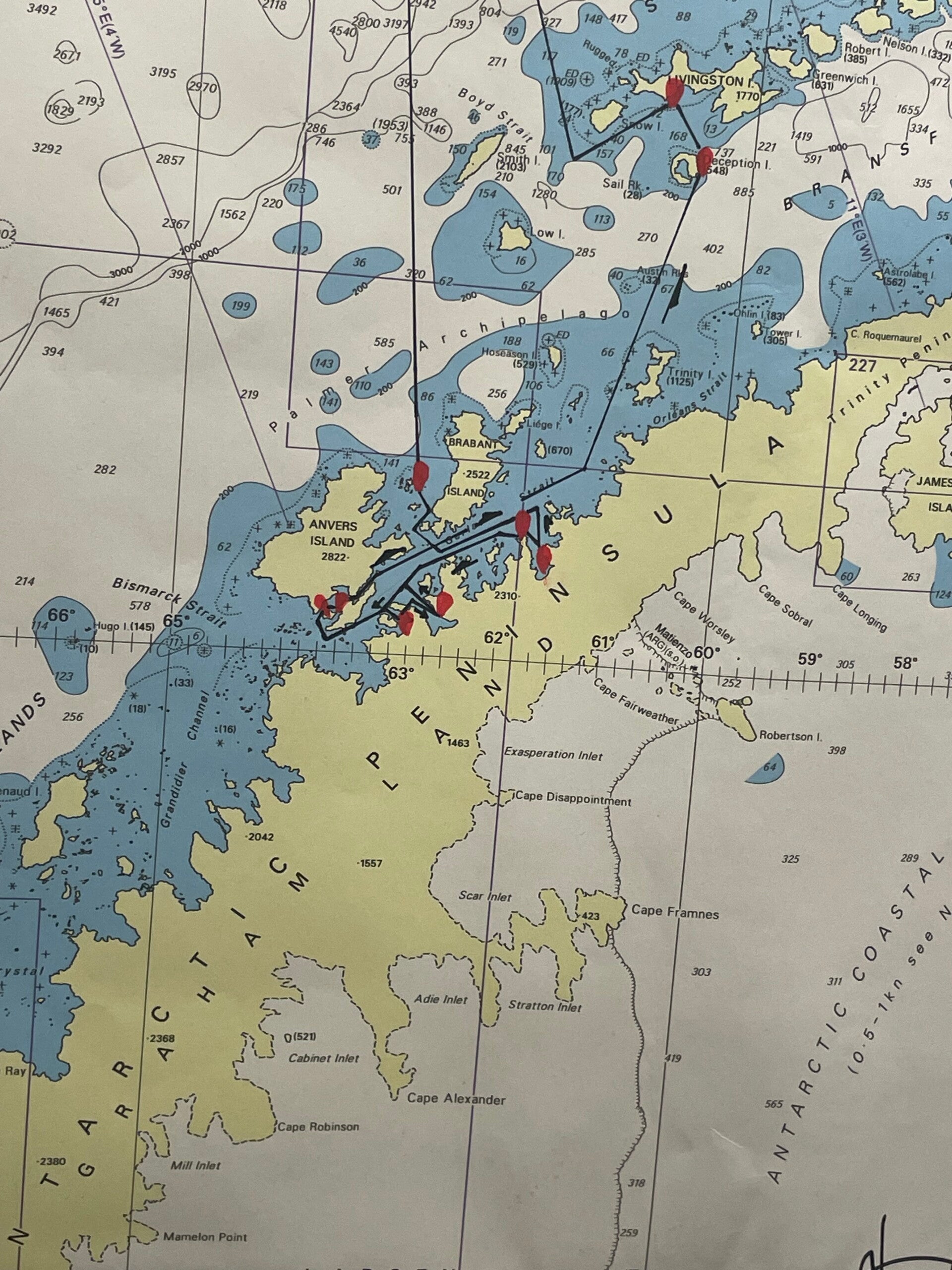
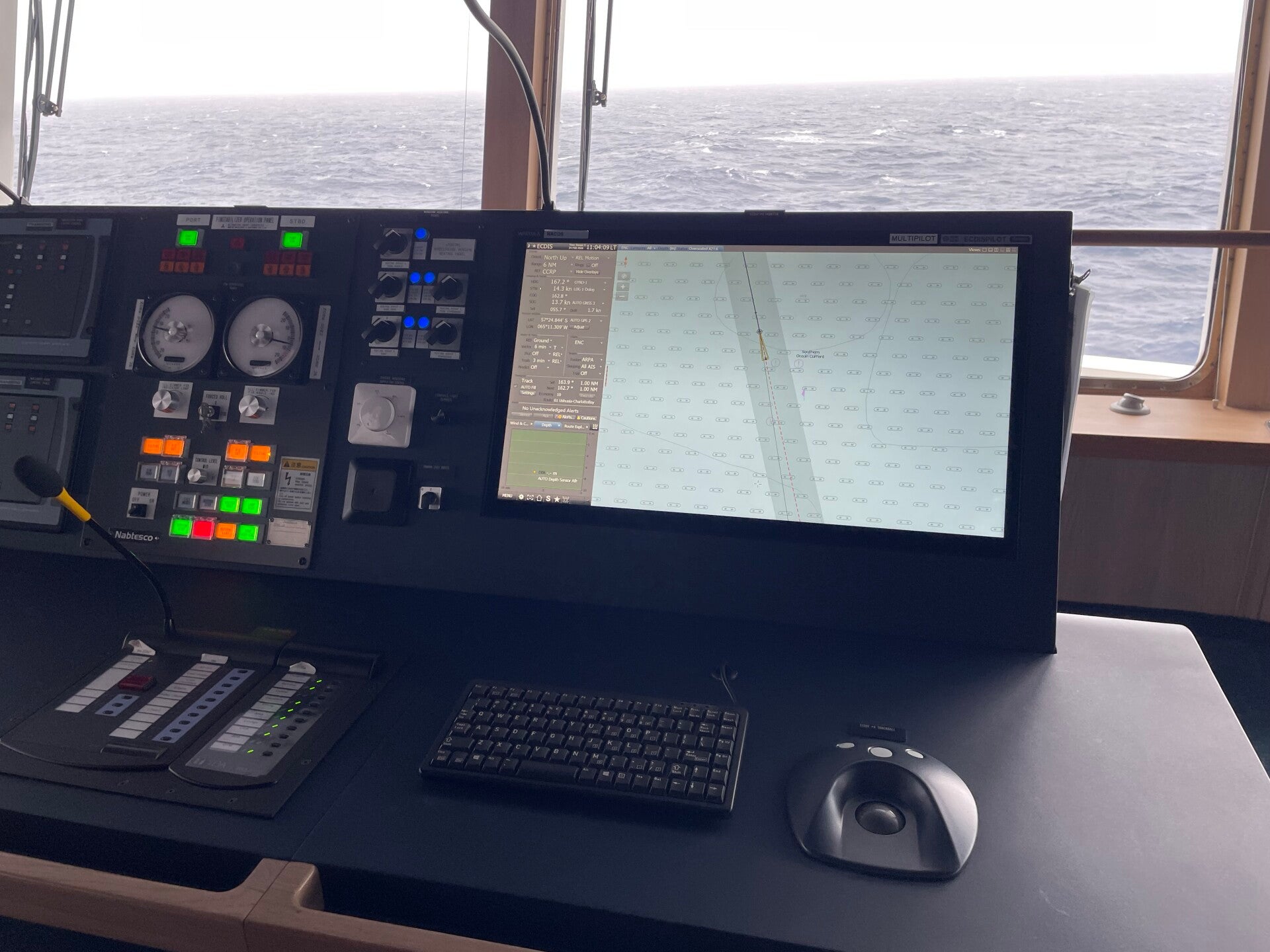
The Electronic Chart Display & Information System (ECDIS) is available on the big TV screens in our cabins and if you expand this shot you will see that we are now approaching the Beagle Channel so our northwesterly course will shortly becoming round to west for a final 6 hours to reach Ushuaia.  Overnight, the wind increased to over 30 knots and the sea state similarly rose to more appropriate levels for Drake's Passage.  But now, with the coastline of Argentina is now clearly in sight it is moderating again.  The ECDIS tells me that we are scheduled to come alongside at approaching midnight local time but we are are about an hour and a half ahead of that.  Thankfully we  will not disembark until tomorrow morning. However, our heavy checked in luggage has to be packed, labelled and left outside our cabin doors by 22:00 this evening as Swan Hellenic will collect these and check them in at the airport for tomorrow's flight to Buenos Aires.  We will not see our luggage until then! 

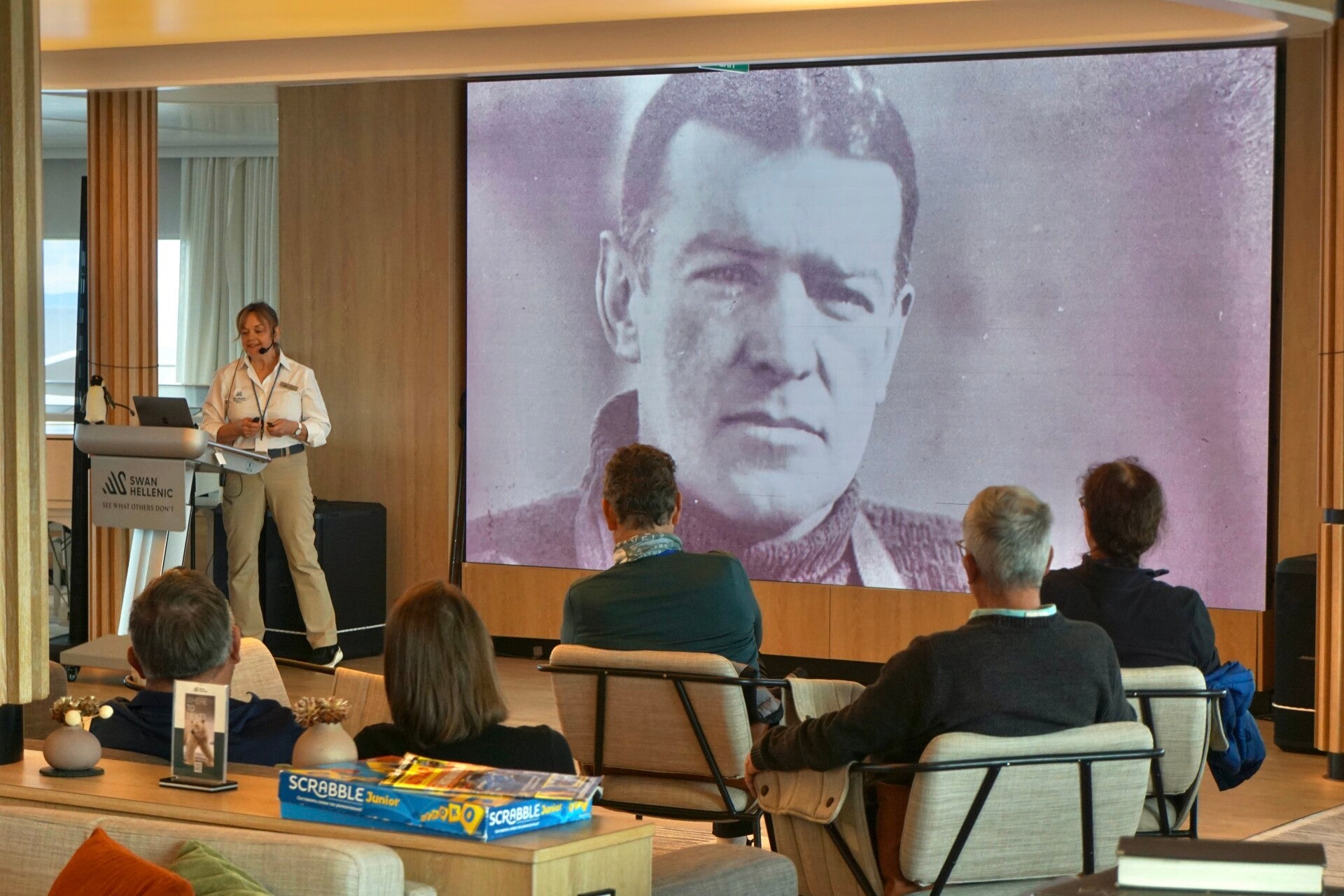
In the meantime, the lecture programme continues. I missed the one on Krill at 09:00 by Annya, a Russian marine biologist, when I was enjoying a late breakfast but will now make my way up to Deck 7 for one on the famous explorer of Antarctica Sir Ernest Shackleton, to be given by Alison, our sea kayaking leader from Plockton.

Alison's lecture was brilliant!  She described Shackleton's childhood and education and how he became swept into heroic age of polar exploration, first sailing with Robert Scott on an expedition in 1902 from which he had to be invalided.
He then launched another expedition in 1908/9 in an attempt to reach the South Pole but had to turn back when they were only 97 miles from their objective when food supplies proved insufficient.

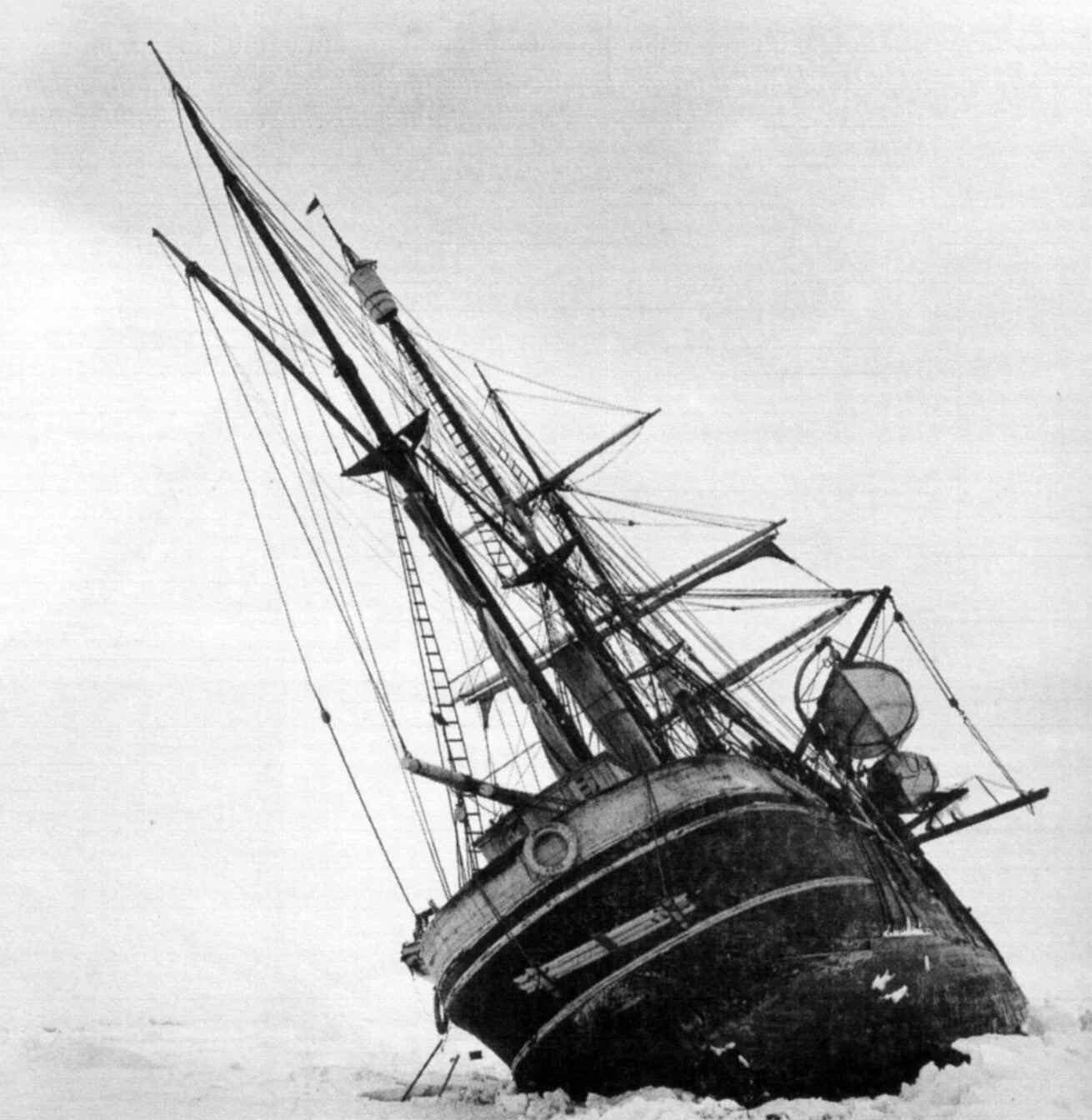
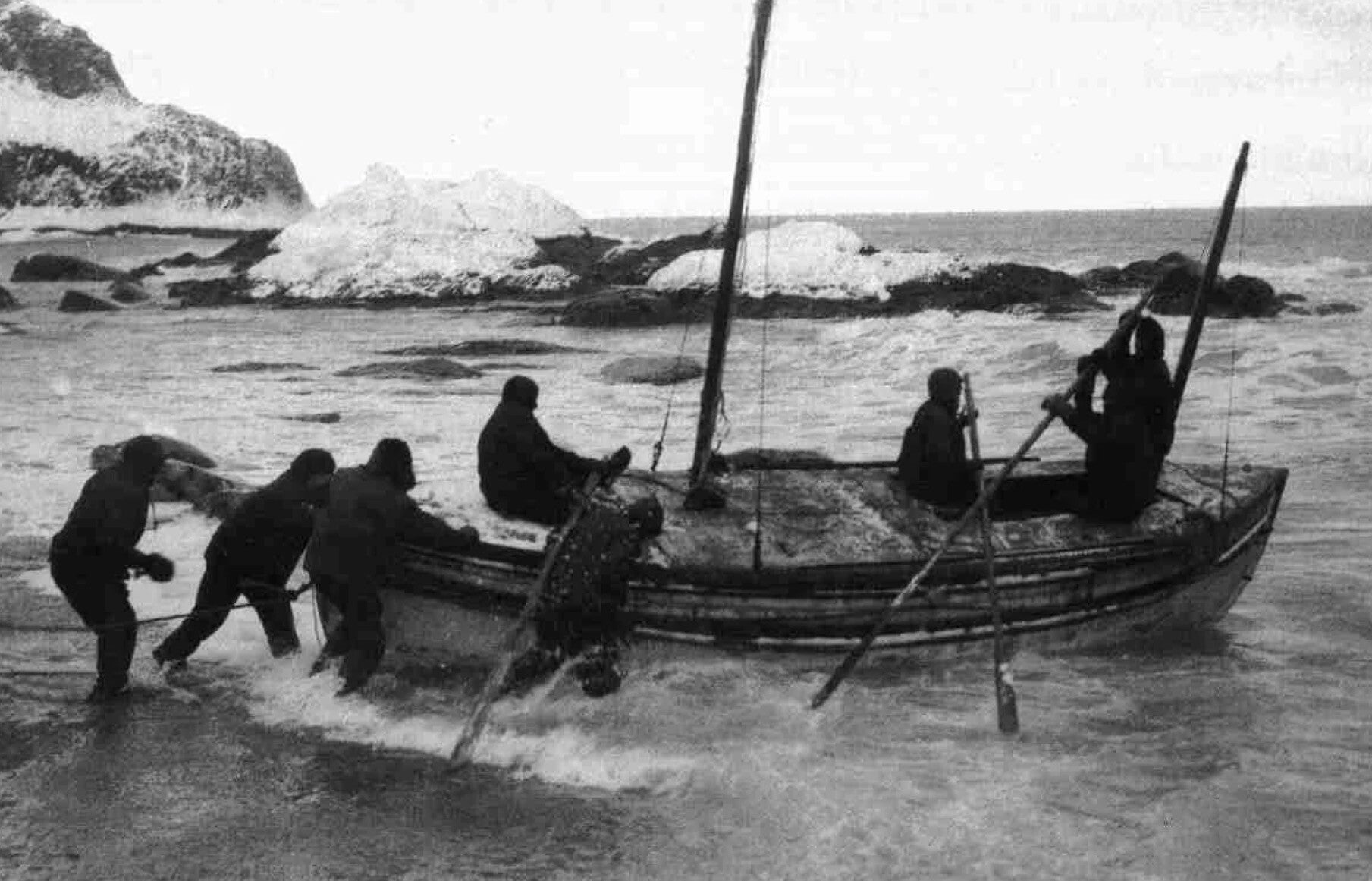
After the Norwegian Amundsen (December 1911) and Scott (January 1912) had reached the South Pole, Shackleton thought up and attempted to carry out another great plan - to cross the 2000 mile Antarctic continent. This trip was a very successful failure. The expedition ship "Endurance" became trapped in the ice in the Weddell Sea for 11 months, from January 1915 until it was squashed and sank in November 1915, leaving 28 men on the ice with 3 small ship's boats.  Although the expedition had failed, it was Shackleton's outstanding leadership and his crew's fortitude to survive this ordeal that have become such the object of such respect and reverence. 

The reader will not be surprised to learn that these two images are not mine but are famous photos taken by Shackleton's expedition photographer and painstakingly conserved against the elements during the long months of their trek across the ice for survival and eventual rescue.

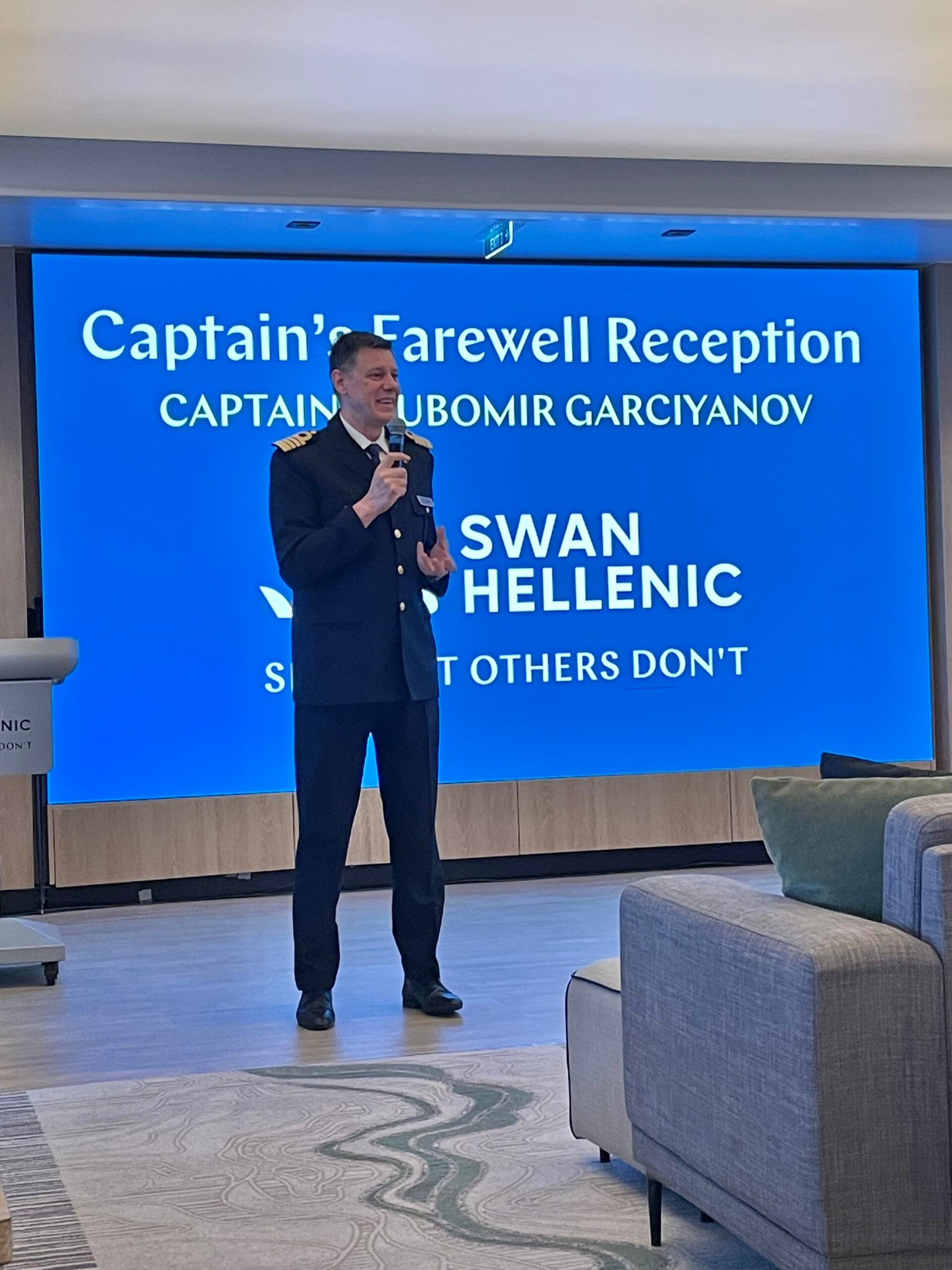
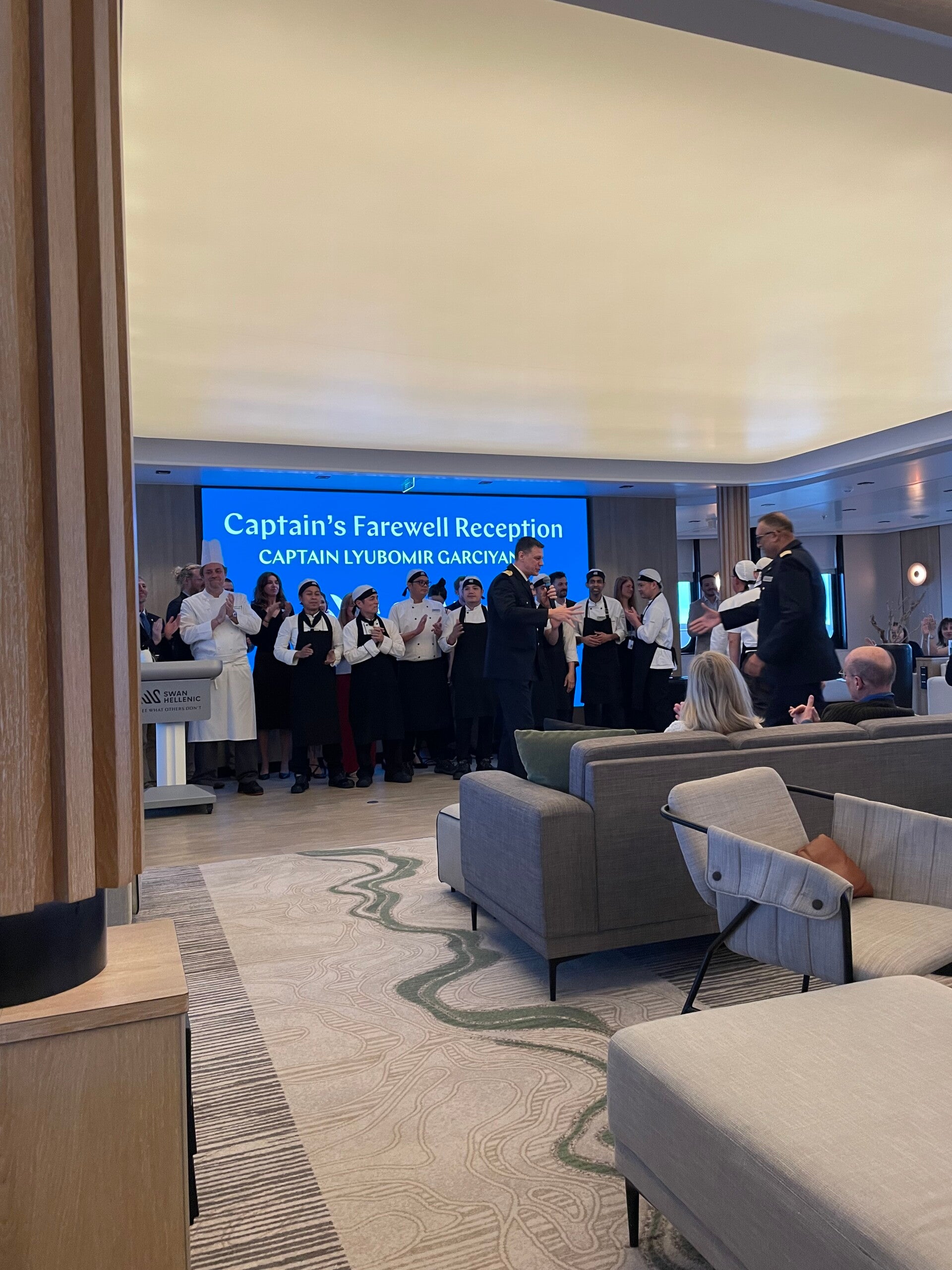
The excellent Captain 'Lubo' was such a charming chap and clearly a fine leader of his crew. He paraded them at his Farewell Reception so we could all show our appreciation, although this was only a token sample of his team.

4-6 March.  Ushuaia - Beinas Aires - London - Holt

The package included  a 2.5 hour economy charter flight from Ushuaia to Buenos Aires. With all our essential cold weather clothing to pack, we all had bulging suitcases and many like me, had to wear the excellent parkas that Swan Hellenic had provided for us. These were far too good to leave behind.  I than spent One night in Buenos Aires before the long flights home to London via Madrid at a ridiculously early hour of tomorrow morning. 

Audley Travel had arranged my personal transport between the airport and my hotel, which makes life so much easier when in a strange city.

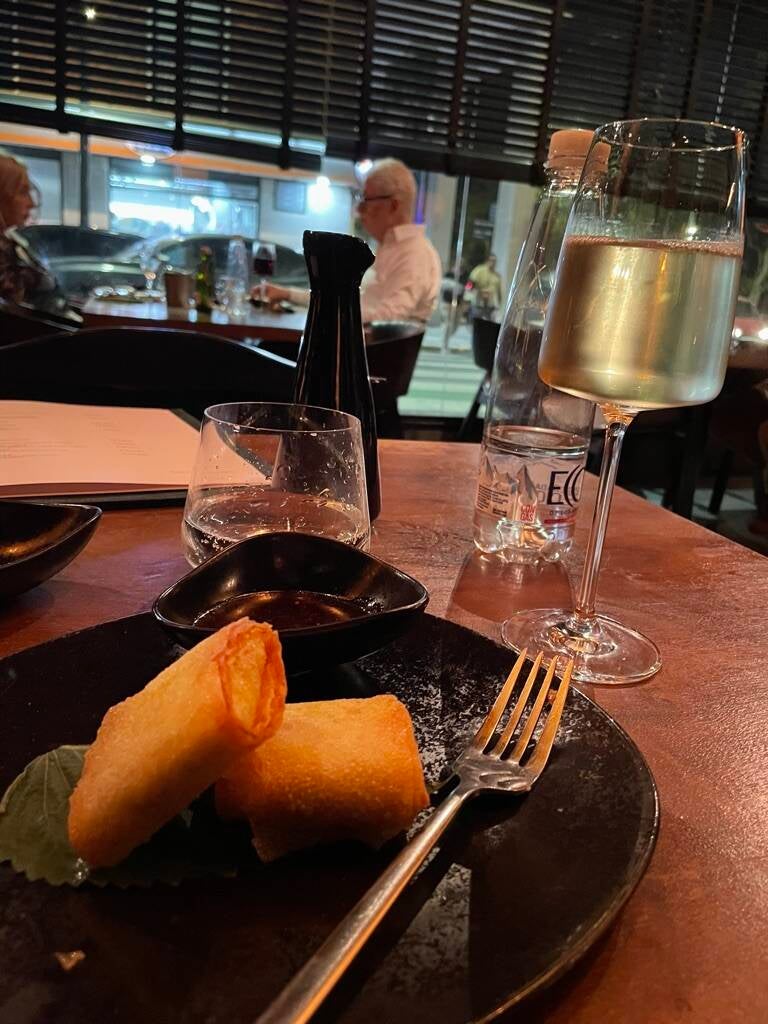
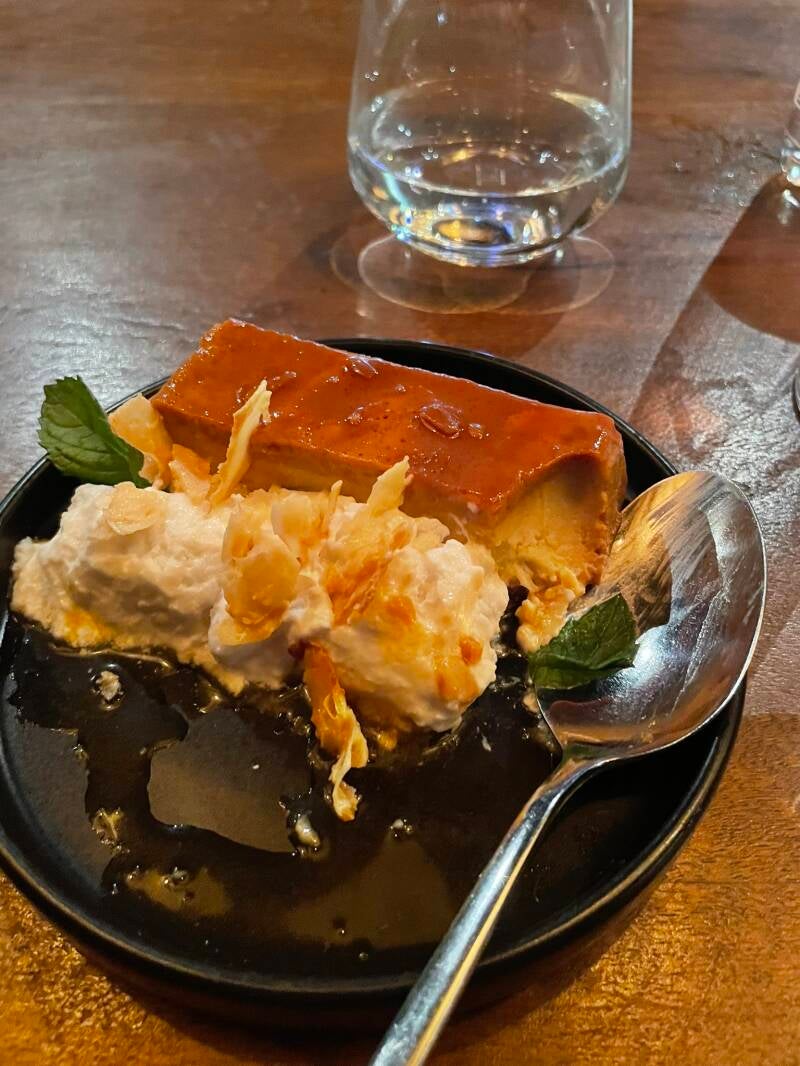
I returned to 'Paru', a sushi & seafood restaurant only five minutes walk from the hotel for my evening meal. I had eaten there when out bound and really liked it!


I thought we were going to be serenaded by Captain Domingo but sadly this was not to be.


Once again, the flights with Iberia to London via Madrid were excellent.  They are part of the One World Alliance but can definitely teach BA som lessons in hospitality. The accommodation in Airbus A350-900 Business Class was again superior to BA's.

The End - What a memorable journey! It's a long way to go but turned out to be everything that I had imagined, and more. 
Create Your Own Website With Webador